South Korea braces for a historically warm and wet winter as a strengthening El Nino peaks in December.
The Korea Meteorological Administration said El Nino began to take shape in May, with its peak anticipated in December, marking the start of a significant shift in regional weather patterns that will persist through the early months of next year.
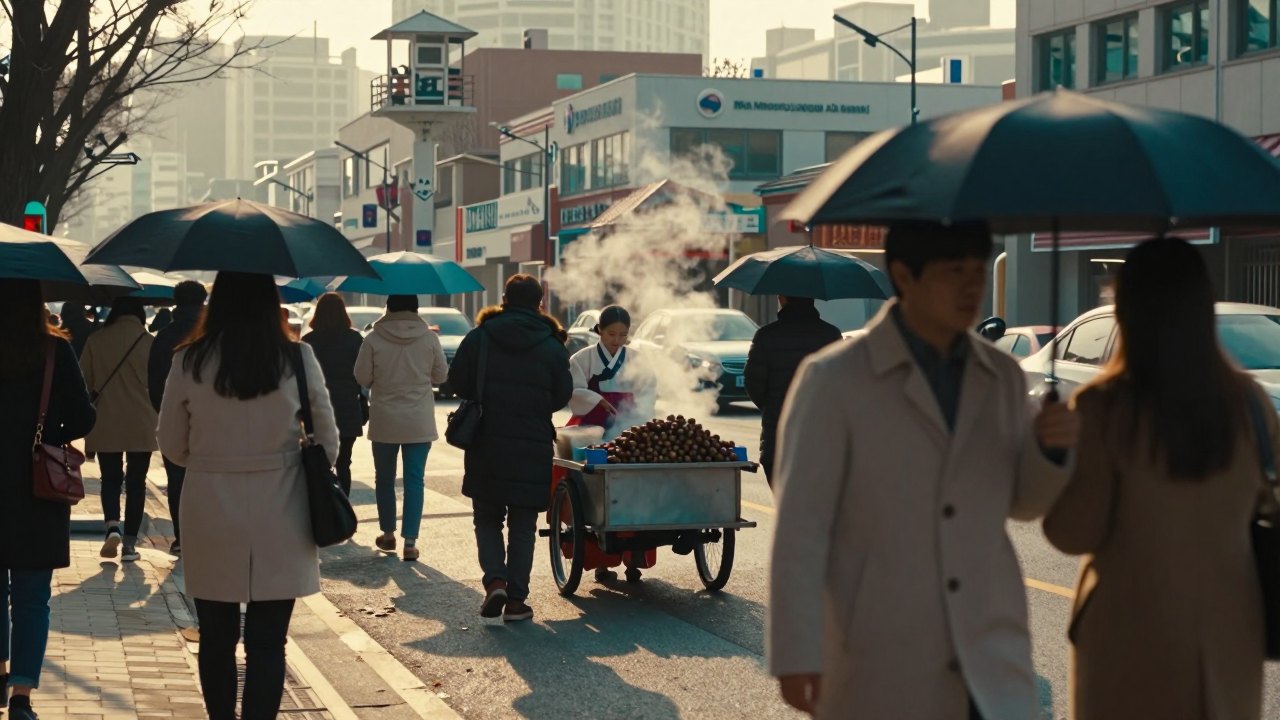
The KMA forecast the phenomenon would set a new record for strength, sending warm, humid conditions to South Korea this winter. The usual seasonal cooling may be significantly delayed or diminished across the peninsula.
A recurring natural event, El Nino occurs when sections of the tropical Pacific Ocean grow warmer. This warming alters atmospheric circulation and, in turn, affects weather conditions in distant regions, including East Asia.
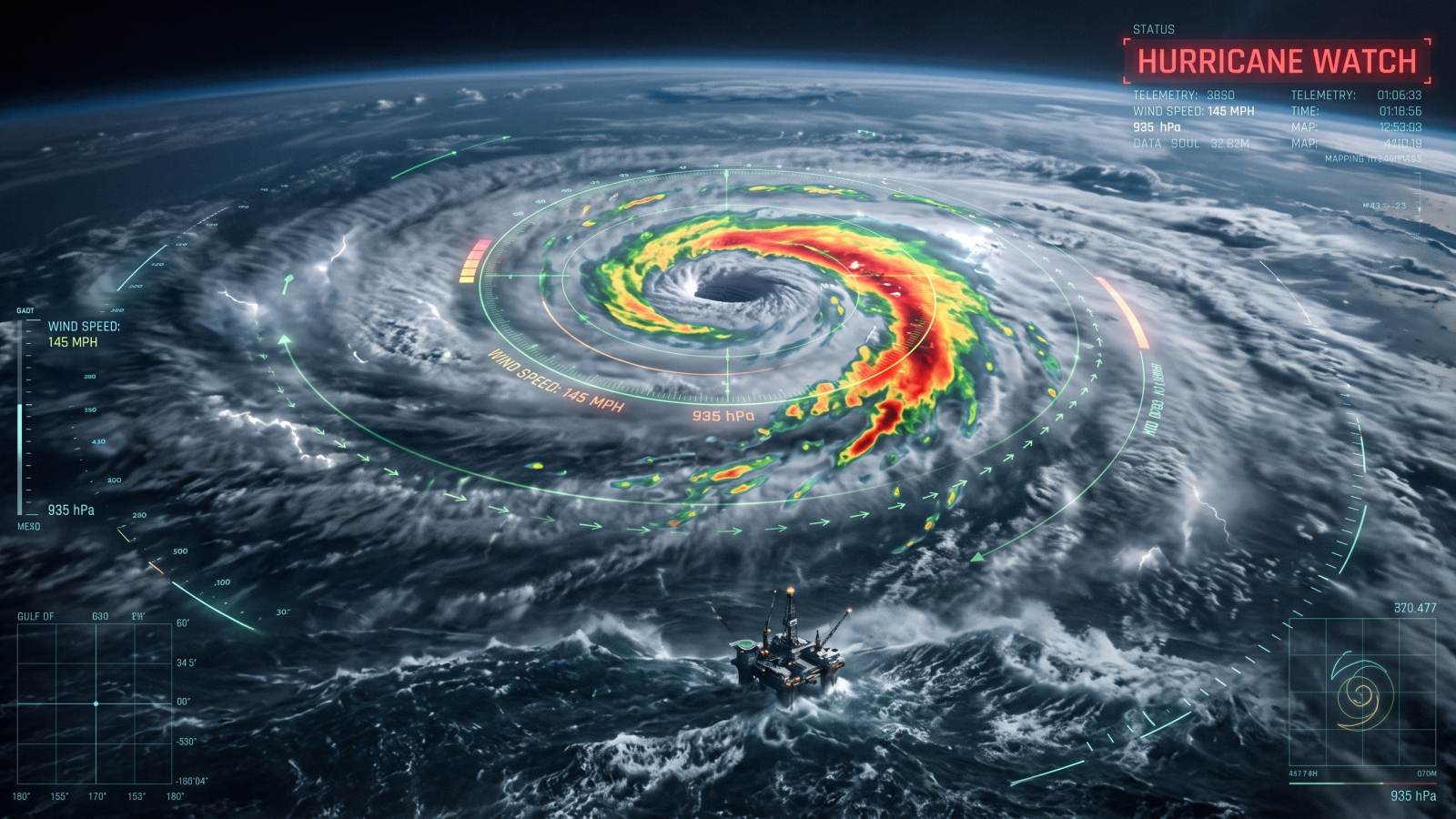
For the August-to-October period, the moving average for sea surface temperatures stood 2.4 C above the long-term average, the KMA said, a record since records began in 1950. Ocean heat provides the thermal energy that drives the atmospheric changes associated with El Nino.
Record sea surface temperatures in the El Nino monitoring zone formed the basis for the KMA's forecast. By tracking these indicators, meteorologists can project how the phenomenon will influence local climate conditions in the coming months.
Monthly Projections and Rainfall
Temperatures across South Korea are expected to exceed long-term averages in November, December and January, while rainfall is forecast to be above normal in November and December, the KMA said. Conditions will be milder overall, but late autumn and early winter may be wetter than normal.
- MayFormation begins
El Nino starts forming in the Pacific.
- August to OctoberRecord heat
Sea surface temperatures reach 2.4 C above average.
- DecemberPeak intensity
Phenomenon expected to reach its strongest point.
- JanuaryContinued warmth
Temperatures remain higher than long-term averages.
"the public should still be prepared for possible cold spells as other climate factors also affect winter weather"
In a release, KMA head Lee Mi-seon said people should remain ready for potential cold spells because factors beyond the main climate pattern also shape winter weather. The overall trend points toward warmth, but sudden intrusions of cold air remain possible.
Meteorologists cannot yet specify how severe or prolonged these brief cold periods might be within the broader warm winter context.
The long-term impact on local agriculture and energy demand is also unknown. Farmers and utility providers must wait for further data to assess how the unusual weather will affect crop cycles and heating consumption throughout the season.