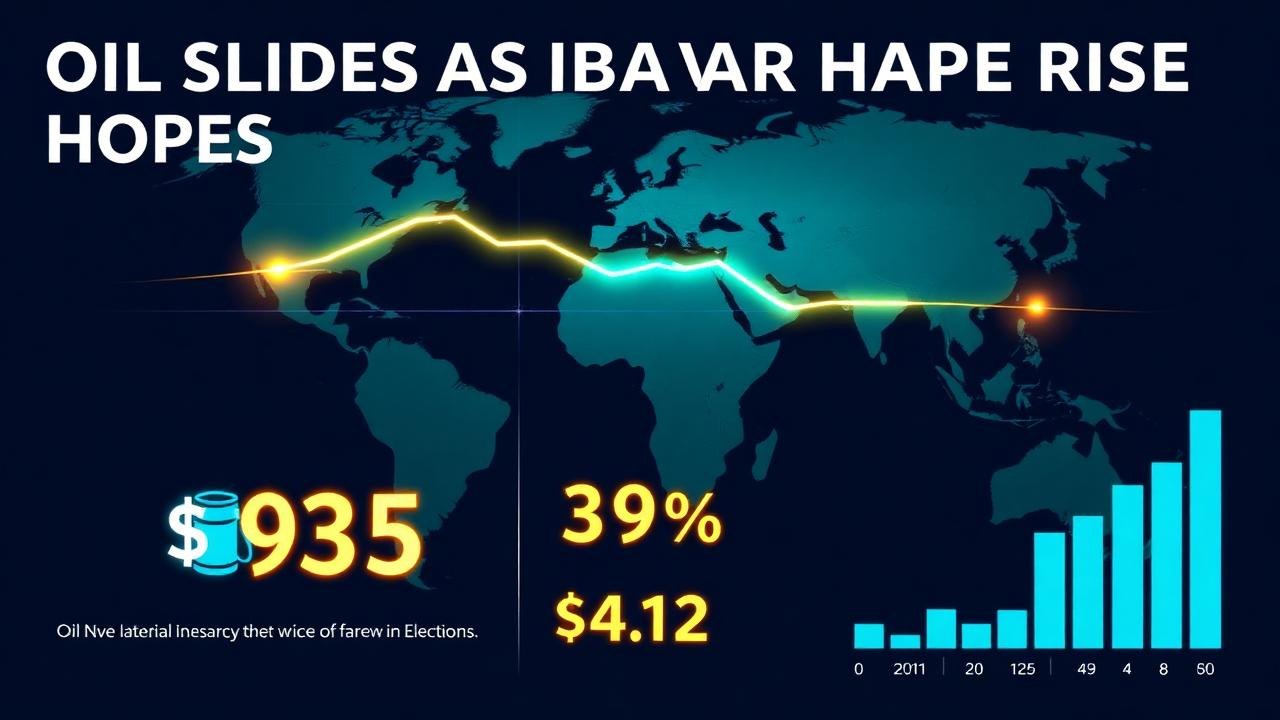
Oil extended its steep decline on Thursday, with Brent futures at $93.5 per barrel as traders weighed whether US midterm election results could hasten an end to the Iran war.
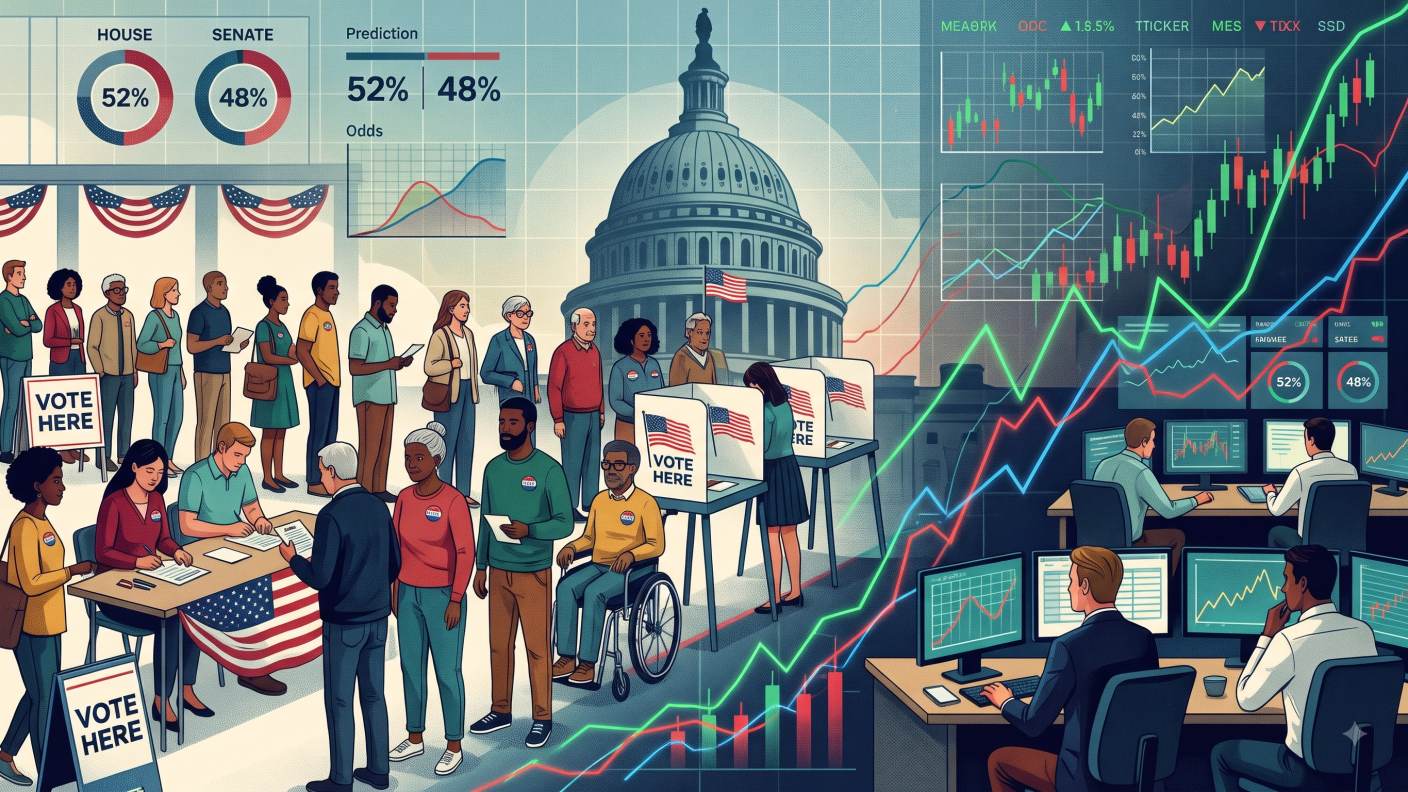
Democrats took control of both chambers of Congress, prompting traders to remove some of the price premium tied to the war. The result raised expectations that Congress might press the White House to end the conflict, though that remains uncertain.
Selling sharpened after the election result, with Brent falling below $100 per barrel on Wednesday for the first time since 7 October, then declining further on Thursday.
Prices fell on different trading days
| Reading | Price or change | Timing |
|---|---|---|
| Brent crude | Below $100 per barrel | Wednesday |
| Brent futures | $93.5 per barrel | Thursday |
| WTI crude close | About $88.12 per barrel | Wednesday |
| December WTI | Near $91.58 per barrel | Early Friday |
| US average gasoline price | $4.12 per gallon | Wednesday morning |
| Overall oil price | 60% above the start of the year | After the sharp decline |
Accounts of Wednesday's Brent fall differ. NBC News put the drop at nearly $8 per barrel, or 8.3%, while Hindustan Times reported an 8.7% decline in the previous session.
WTI readings taken at different times
Wednesday WTI close
About $88.12 per barrel
- WTI fell 8.3% that day.
- It was oil's biggest daily decline since April.
December WTI, early Friday
Near $91.58 per barrel
- The contract had reached a weekly high of $102.75.
- It later broke to $86.65.
December WTI opened at $102.39 and lost $11.37, or 11.10%, over the week. Its early Friday price was a separate reading from Wednesday's WTI close.
The drop in crude hasn't erased its earlier rise. Oil remained 60% above its level at the start of the year, while the US average gasoline price on Wednesday morning was 39% higher than before the war began on 28 February.
Fuel costs weighed on voters
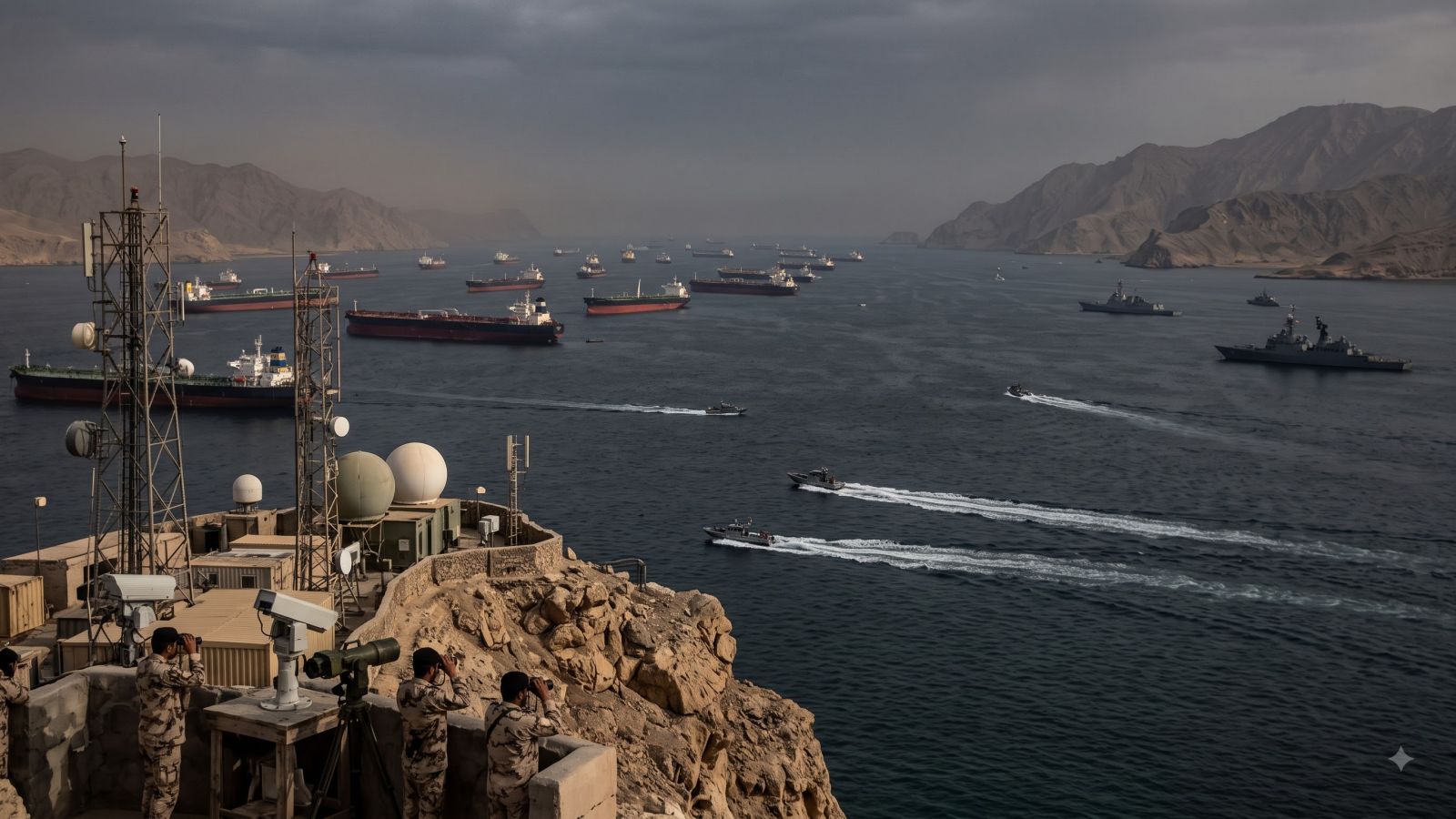
The war disrupted vessel traffic through the Strait of Hormuz and drove up gasoline and diesel costs, adding to inflation pressures on US consumers, farmers and business owners.
US Vice President JD Vance blamed the conflict for Republican losses in the midterms. Donald Trump, US President, said he understood the burden that higher fuel prices had placed on consumers.
People agree with what I’m doing on Iran, but they really probably weren’t willing to do the short-term consequence of paying more for gasoline, and that, you know, I understand that.
In an NBC News exit poll, 59% of voters said they were "very concerned" about the cost of gasoline and diesel.
Trump indicated that the United States had no immediate plans for further strikes on Iran. Iranian officials said the sides remained far from an agreement, however, and incidents involving tankers continued in the Persian Gulf. Whether talks produce a ceasefire or a shipping agreement remains uncertain, as does the risk of further military escalation.
Supply data give a mixed picture
Producers have used pipelines outside the disrupted route, tanker escorts and transfers between ships, with regional exports near 18 million barrels per day suggesting those measures have helped maintain flows. Gulf crude exports excluding Iran were reported close to their pre-war level.
US commercial crude inventories fell by about 900,000 barrels, their fifth straight weekly decline, leaving them about 4% below the five-year average. Distillate stocks reached their lowest level since 2003, and gasoline inventories also slipped.
Patrick De Haan, GasBuddy analyst, said the oil decline could bring the US average gasoline price below $4 in the "days ahead." Whether crude's fall will last, or gasoline will reach that level, remains uncertain.
If the US or Iran don’t pursue ‘scorched earth’ policies in the Persian Gulf, we may see considerably lower prices by second half December.
The market response extended beyond oil, with US and European shares rallying after the election, while India's Sensex reached 79,369.26, up 2.68 per cent around 3:05 pm. Hariselvan Radhakrishnan of HST Wealth said a sustained decline in oil could improve India's near-term economic and earnings outlook.
For the week ending November 13, trader reaction to $94.70 is a stated marker for December WTI. The course of the Iran talks and Gulf shipping flows remains unresolved.