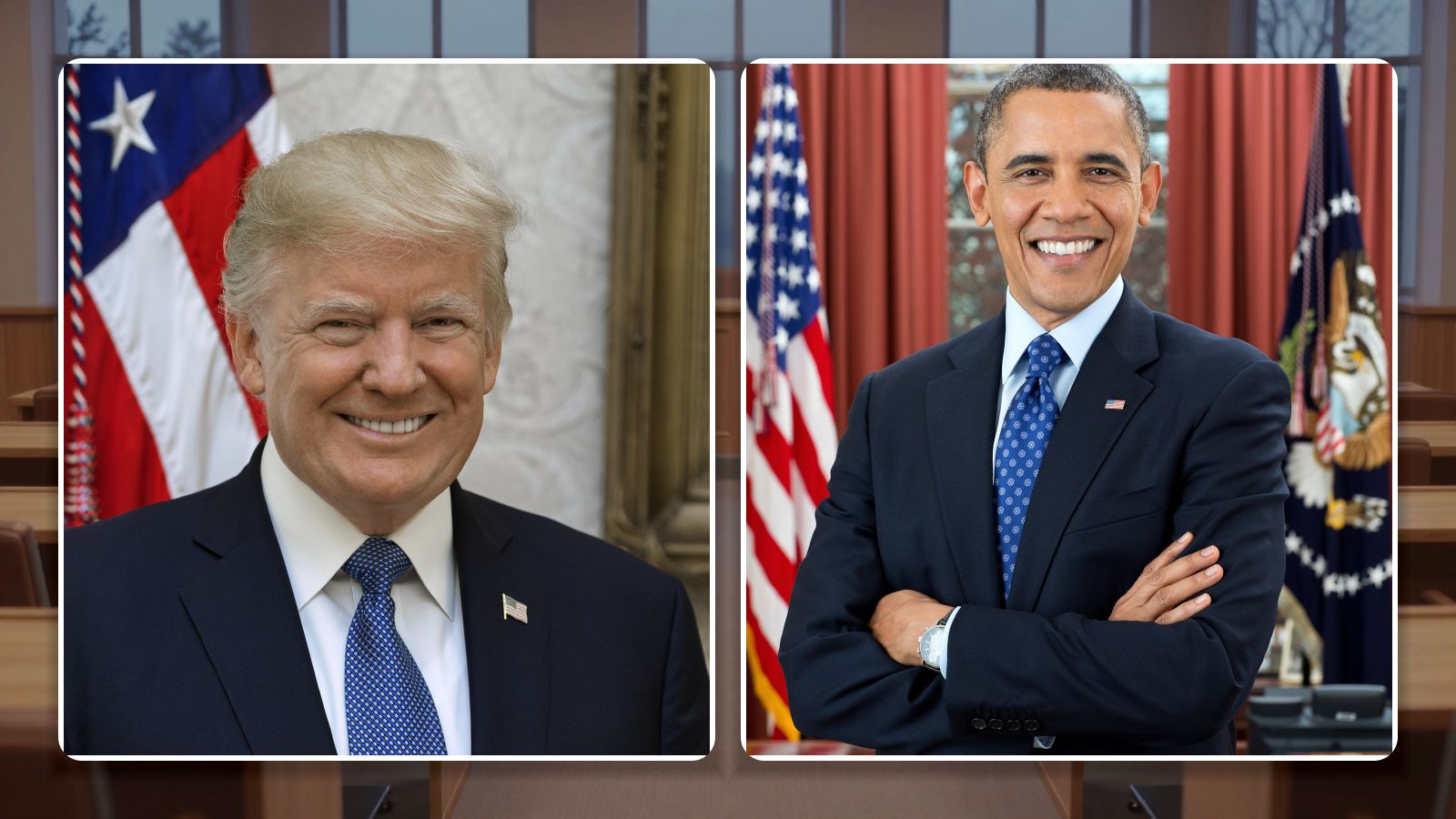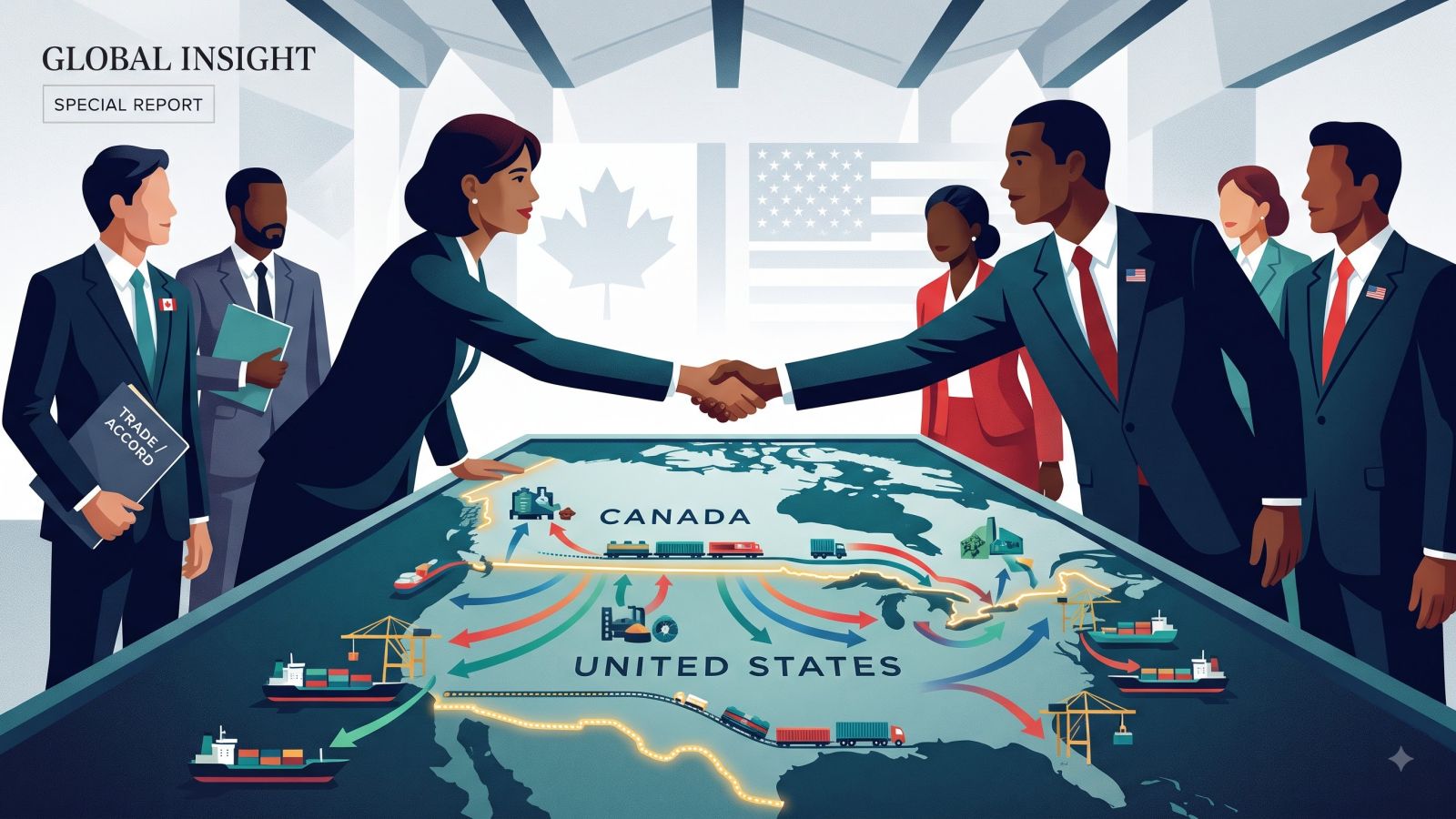
Mark Carney and Donald Trump both say a Canada-US trade deal is close, three days before US midterm elections, but neither side has published terms and the August breakdown has not been explained away.
Carney said on Sunday that he had a 'good conversation' with Trump about the future of trade between the two countries. Trump put the same call at the weekend, telling reporters the two sides were very close to an agreement.
We have the concept of a deal that's going to be great for our farmers, great for our country, and it'll be fine for Canada, too
The Canadian prime minister said the discussion built on recent constructive talks about the shape of a deal that would benefit both countries, with negotiators set to continue the work over the next few weeks.
Our teams will now be working in the coming weeks to deliver that outcome
What Trump says is on the table
Trump described the outline as great for American farmers and fine for Canada, saying it would remove tariffs US farmers pay on Canadian goods and cover construction of the Keystone XL pipeline, a project environmental campaigners long fought and which was shelved under his predecessor Joe Biden.
The United States loses money in trade with Canada, Trump said, returning to a claim he has made for years. Economists and the Canadian government have long disputed that framing of the relationship, but he repeated it on Sunday.
We've been losing money for many years with Canada, many many years
His remarks made plain that the details aren't settled. Steel and automobiles have been under discussion, with possible relief from US duties on Canadian steel and cars on the table, but no specifics have been announced.
How August fell apart
Talks at senior level broke down in August. Trump responded with a batch of new duties covering around $20 billion of Canadian goods, from hockey sticks to cement. Canada answered with its own levies on a matching amount of American products, and Trump came back with another round of duties of as much as 50 percent on certain goods.
Canada walked out after rejecting US demands that Carney said put Canadian sovereignty, French-language protections and the auto industry at risk. Canada was also seeking to have proposed US tariff relief extended to medium and heavy-duty vehicles.
Canada accused Washington of trying to limit the use of French, one of the country's two official languages, including through rules meant to promote French-language programming. The United States has denied that French was ever a major issue in the talks.
The two governments also gave different accounts of the truck question. US Commerce Secretary Howard Lutnick said Canadian negotiators raised tariff relief for medium and heavy-duty trucks only at the last minute and alleged they did so to kill the deal. Canada's chief trade negotiator, Janice Charette, said Canada put the issue forward on Monday, Tuesday, Wednesday and Thursday of the talks, then again on the final Friday.
A revival, and a deadline
Last week, Carney said discussions had resumed as Washington moved nearer to Canada's position. On Wednesday, he said the two countries couldn't reach an agreement before Tuesday's vote.
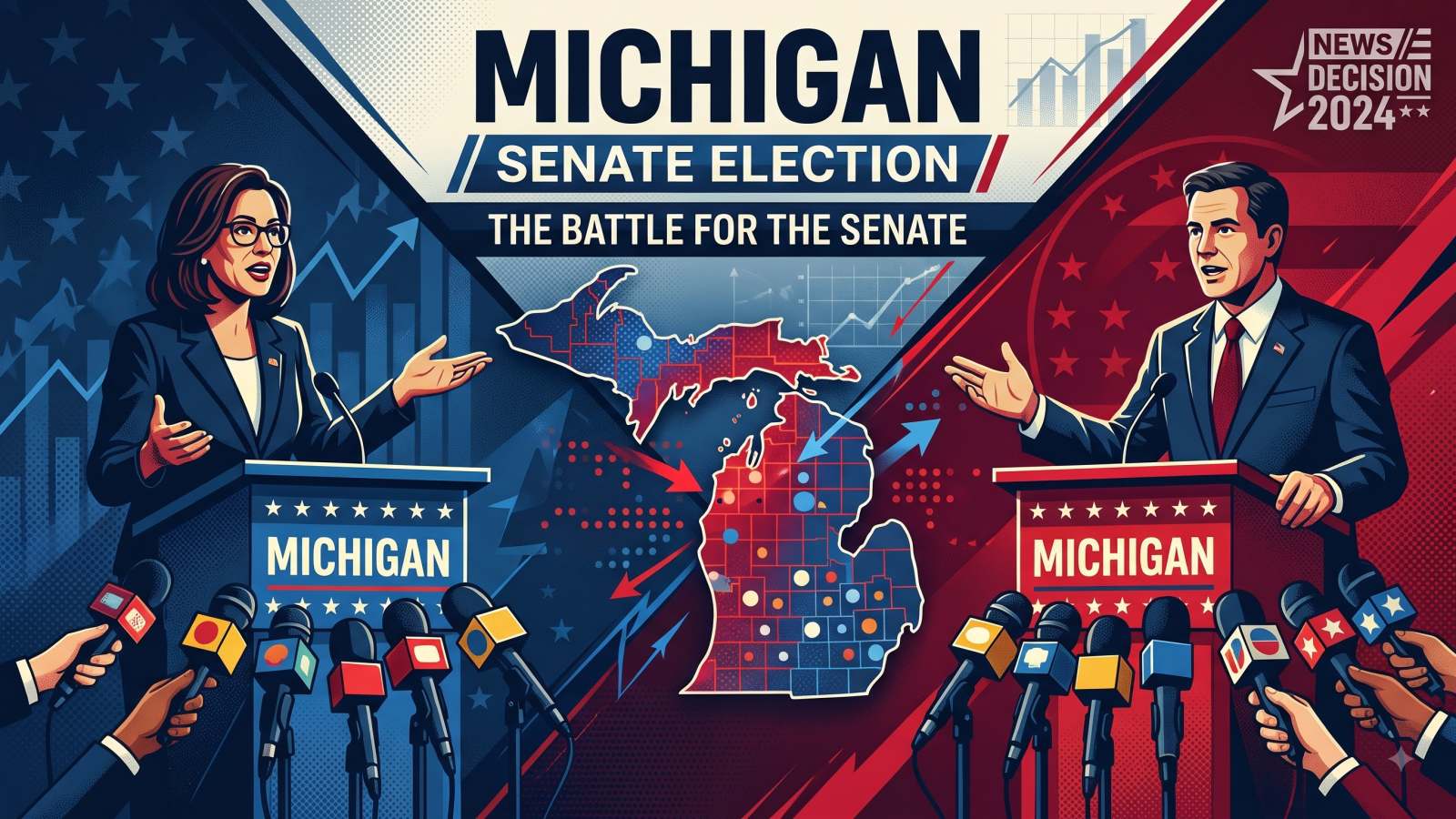
Tuesday is 3 November. Republican control of Congress is at risk, and Trump's tariff campaign against Canada has become an election issue, especially in Michigan and Maine, where crucial Senate races are being fought. Mike Rogers, the Republican Senate candidate in Michigan, has called for the tariff war to end.
Recent US tariff adjustments affecting Canada showed the White House grasped the political risks of its trade war, especially in states along the border, said Daniel Béland, a political science professor at McGill University.
Robert Bothwell, a historian at the University of Toronto, said the leaders' call was unlikely to affect Tuesday's result and urged caution about the warmer tone, likening the apparent thaw to brief fair weather.
five minutes of variable sunshine. Rain later.
In Canada, the Conservative opposition leader, Pierre Poilievre, pressed Carney on Sunday to close a deal, saying Canadians could not afford to wait.
It's time for Mr. Carney to put the big talk in the past and deliver real results
Ottawa's other direction
Trump's trade war and his repeated suggestions that Canada become the 51st US state have pushed Carney to lessen Canada's reliance on its southern neighbour. On Friday, Canada and the European Union launched a new alliance. Carney wants Canada to become the bloc's first associate member and to double exports to countries other than the United States within a decade.
Carney has also said Canada will not rush into an agreement with Washington if the terms do not serve Canadian interests.
The weekend's optimism rests on little published detail. A senior Canadian source told CBC News it's unclear what form the coming talks will take, after earlier suggestions that formal negotiations were about to restart. A source familiar with the discussions told Radio-Canada that key elements are still unresolved.
We are not on the verge of an agreement just yet.
Canadian officials had told industry groups last month that a deal before the vote looked unlikely, according to sources who spoke to CBC News at the time.
For its part, the White House said it welcomed the continued contacts and was working through the remaining detail.
the Trump Administration welcomes continued engagement with Canada as we work toward finalizing the details of a deal that will deliver meaningful results for the American people
What we know
- Carney and Trump spoke at the weekend about the future of trade.
- Talks at senior level broke down in August and new tariffs followed on both sides.
- Canada and the European Union launched a new alliance on Friday.
- US midterm elections are on 3 November.
Still unclear
- What form the talks over the coming weeks will take.
- Whether anything will be concluded before the 3 November vote.
- The final details of any agreement, which Trump's remarks left unset.
- Which 'key elements' remain unresolved.
- Whether the leaders spoke on Saturday or Sunday.
- AugustTalks collapse Canada walks away, rejecting US demands it says threaten sovereignty, French-language protections and autos.
- Last weekTalks revive Carney says Washington is moving closer to Canada's position.
- FridayEU alliance Canada and the European Union launch a new alliance.
- SundayLeaders speak Carney reports a good conversation; Trump says the sides are very close.
- WednesdayNo deal yet Carney says the countries are not in a position to agree before the vote.
- 3 NovemberMidterms US voters go to the polls with Republican control of Congress at risk.