Tehran has rejected Washington’s latest response to reopen the Strait of Hormuz, labeling it insufficient and warning of retaliatory strikes on regional data centers.
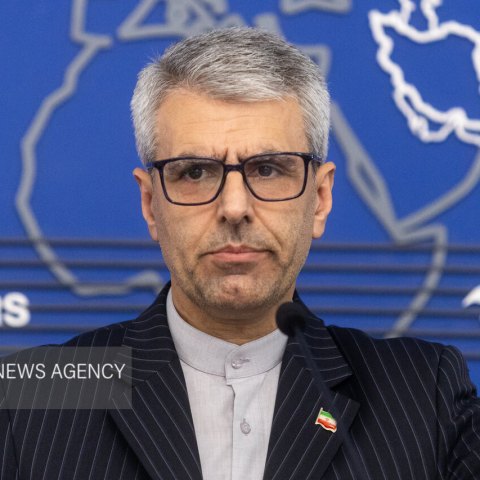
Iran's foreign ministry spokesperson Esmaeil Baghaei said on Monday that Tehran is still reviewing a US response to its proposal on reopening the Strait of Hormuz. The country will reply to Washington through intermediaries once the review is finished.
Baghaei told a press conference that Iran continues to exchange messages via intermediaries, without giving details. On Sunday, Iran's security chief noted that Washington's reply failed to meet the seven conditions set by Tehran for resuming negotiations and reopening the Strait of Hormuz.
We are no longer in the process of responding to the Americans. They have given their reply, and we consider it insufficient. They must clarify the issues that remain ambiguous to us.
Tehran insists that talks should first prioritize restoring security in the waterway and reopening the Strait of Hormuz. This contrasts with Washington's demand to address Iran's nuclear program from the start, which remains a key dispute.
Contrasting positions on Strait management
Iran
Security-first approach
- Focus on reopening Strait of Hormuz first
- Proposed joint management with Oman
- Seven conditions must be met before negotiations
United States
Nuclear-first approach
- Insists on addressing nuclear program from outset
- Rejected joint management proposal
- Demands free passage under international law
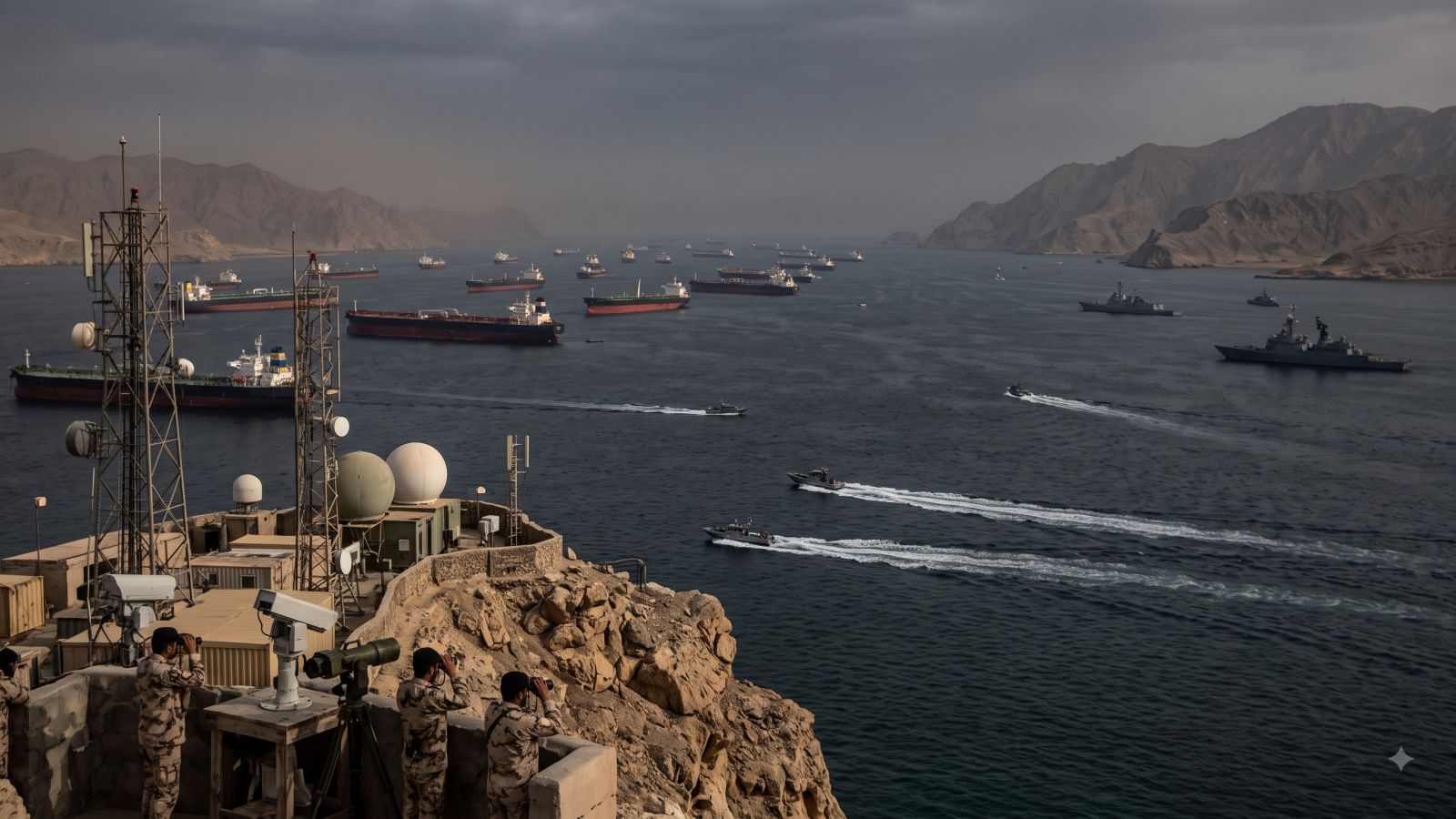
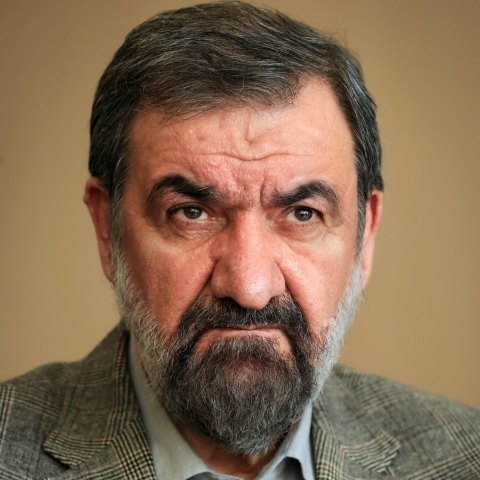
Before the war, the Strait of Hormuz carried about a fifth of the global trade in oil and liquefied natural gas (LNG). Mohsen Rezaei, head of Iran's Supreme National Security Council, said that about two weeks ago Iran communicated seven conditions to the Americans.
About two weeks ago, we communicated seven conditions to the Americans, stating explicitly that until these conditions are met, the Strait of Hormuz will not be opened to them and no negotiations will take place
Washington stated that ships must have free passage under international law. The US has turned down Tehran's suggestion for joint management of the waterway by Iran and Oman, which lies on the strait's southern side.
Rezaei described the strait as a major national asset and said Iran could gain economically from controlling it. He added that Iran's interests extend beyond closing the passage or collecting transit tolls.
We do not merely mean closing the passage or collecting transit tolls; our interests extend far beyond that. Of course, we can certainly generate economic benefits from the Strait of Hormuz.
Mediators including Qatar and Pakistan have tried to stop the fighting that started after US and Israeli strikes on Iran on February 28. Rezaei said that over the past two months, Washington used Iraq, Qatar and Pakistan to ask Iran for proposals on reopening the strategic waterway.
Attacks on ships transiting the strait have increased since Iran's proposal was rejected, and one attack was reported Sunday. The Guard's navy warned that vessels disabling navigation and identification systems in the strait would be treated as hostile, an IRNA report said.
Efforts to stop the US-Iran war have been complicated by these attacks, which represent a significant rise in hostilities between the kingdom and the Houthis. A projectile struck the same passenger terminal at Riyadh international airport that was hit on Saturday.
Saudi authorities said injuries occurred in the latest attack, though the airport had been closed following Saturday's strike that killed 12 people. Yemen's Houthi rebels, who are backed by Iran, said they were behind both assaults on King Khalid International Airport, which has faced daily targeting since Wednesday.
Baghaei reiterated Tehran's willingness to assist in resolving the crisis through dialogue regarding the growing conflict between Saudi Arabia and Yemen's Houthis, an Iranian ally.
The issue of Yemen should have been resolved a long time ago with the (UN) roadmap and we had said we would support any agreement reached by Yemenis and Saudis … Our request is that this situation be resolved through dialogue.
- 28 FebWar begins
US and Israeli strikes on Iran mark the start of the conflict.
- JuneCeasefire collapses
An interim ceasefire crumbles and on-off strikes resume.
- Mid-SeptemberProposal presented
Iran presents its proposal to reopen the Strait of Hormuz.
- End of SeptemberUN exchanges
Iran and the US exchange proposals to end the conflict through mediators during the UN General Assembly.
What we know
- Iran is reviewing the US response and finds it lacking regarding its seven conditions.
- Attacks on ships have increased since the proposal rejection.
Still unclear
- The specific details of Iran's seven conditions for reopening the Strait.
- Which specific conditions the US accepted or left unresolved.
- The exact nature of the ambiguities Washington must clarify.
- The identity of all intermediaries currently facilitating messages.