At least 139 migrants died after an overcrowded boat capsized near Djibouti, while at least 84 people remained missing.
The boat had 305 people aboard when it overturned near Guhere, north of Obock, during the night of October 8-9, according to the International Organization for Migration. Children were among those who died.
Reported casualty figures
IOM-reported figures
Current official count
At least 139 dead
- At least 84 missing
- More than 80 survivors
Other reported figures
Accounts differed
At least 109 dead
- Some 116 missing
- More than 80 survivors
The IOM said its death toll was higher than another reported figure of at least 109, while the number missing was either at least 84 or some 116. Both accounts reported more than 80 survivors, although one gave a figure of around 82.
The IOM said the different figures reflect an unresolved count, with its official toll covering only people buried by Djiboutian authorities. Bodies buried by migrants themselves will not be added until officials verify them.
The boat sank soon after departure
Alexandre Coissac, the IOM Chief of Mission in Djibouti, said the migrants boarded in the evening of October 8. The vessel went down soon afterwards, close to the coast, with overcrowding identified as the main reason.
The IOM warned that the toll could still increase. Djiboutian authorities were continuing search and rescue work, treating survivors and organising burials for those who died.
- October 8The migrants board
The group gets onto the boat in the evening before the overnight crossing.
- October 8-9The boat capsizes
The vessel overturns near Guhere, north of Obock, close to shore.
- After the wreckRescue and care continue
Authorities search for missing people while survivors receive medical and psychological support.
- After the wreckFamilies are contacted
Some survivors learn that relatives died, while others use phones to tell family members they are alive.
More than 80 people survived, all of them Ethiopian nationals, the IOM said. At a migrant centre in Obock, it was assisting 64 survivors while authorities and aid workers provided care.
Coissac said local officials had tried to respond but were confronted by a large number of bodies reaching the shore at the same time.
The local authorities did their best, but they were overwhelmed with all the bodies that kept coming at once towards the shore.
The burials have also left questions about the victims' identities. Coissac said many were buried without names in a shared grave, while the number of people buried by migrants has not been verified.
What is terrible is that they were buried with no names, in a common grave, like in a war situation.
He said the victims each had families, but their relatives might never learn what happened to them. Some migrants at the IOM centre already know that family members died. Others have been given phones to contact loved ones at home and say they survived.
Coissac said the survivors were being treated after swallowing seawater and receiving psychological support, were in shock, and were difficult to speak with.
They're all in a state of shock. I tried to talk to some of them but it's very difficult.
Photographs shared by the UN agency showed worn sandals and sneakers washed up along the shore.
The route leads towards Yemen and the Gulf
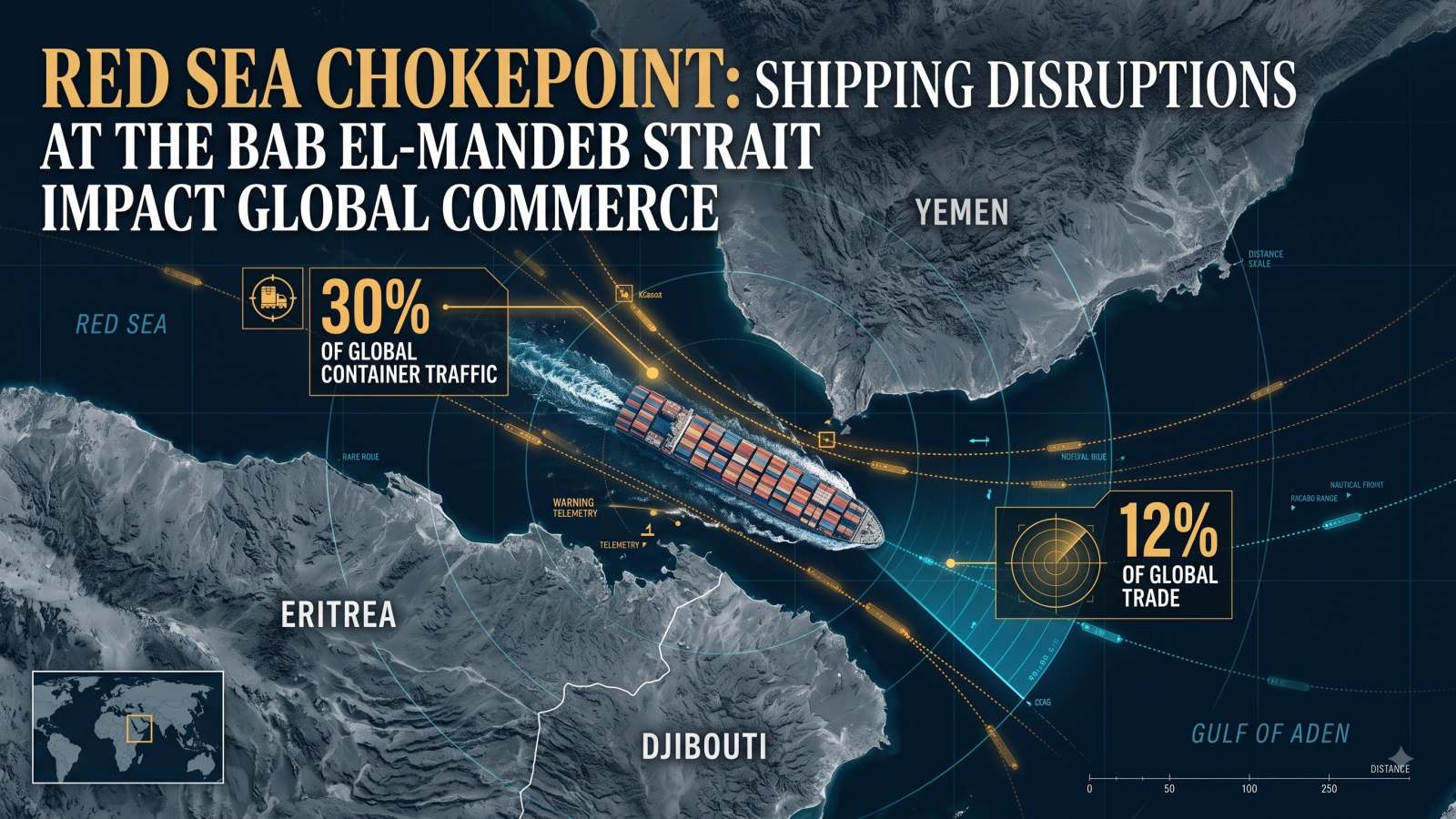
The migrants were travelling towards Yemen in the hope of eventually reaching wealthier Gulf nations. Tens of thousands of people from the Horn of Africa make the journey through Djibouti each year and cross the Bab el-Mandeb Strait in search of safety and economic opportunities, the IOM said.
More than 900 migrants died or disappeared along the route to Yemen in 2025, according to the IOM's Missing Migrants Project. The number of people trying to make the journey rose by 18 percent that year.
A separate shipwreck in March 2026 killed nine people and left 45 missing. The IOM said the new wreck came as movement through Djibouti remained heavy.
The agency said 178,000 people had arrived in Djibouti from Ethiopia between January and October this year; many travellers were from Ethiopia or Somalia, and a large number were becoming stranded in Djibouti.
The route carries dangers beyond accidents at sea. The IOM listed trafficking and arbitrary arrests after migrants reach land among the risks faced along what it calls the Eastern Route.
Conflict and hardship keep the route active
The IOM said poverty, insecurity and the effects of climate change drive many people to attempt the crossing despite instability across the Middle East.
Fighting has also escalated in Ethiopia since last month, in the biggest increase in violence there since the 2020-2022 Tigray war. Ethiopian migrants interviewed for the IOM's latest Djibouti situation report said they had left because of difficult living conditions, including drought. Some also cited conflict and forced recruitment by armed forces.
The crisis in Yemen is pushing people in both directions. At least 2,000 Yemenis received aid in Djibouti in recent weeks as fighting intensified between the Saudi-backed, internationally recognized government and Iranian-backed Houthi rebels.
The IOM said displacement linked to the fighting had risen to 200,000 from 76,000 in mid-September. More than 3,700 people had crossed by sea from Yemen to Djibouti as of last week.
Yemen remains affected by clashes involving the Saudi-backed government and Houthi rebels supported by Tehran. The Houthis have also joined the wider regional conflict involving the United States and its allies against Iran.
The violence has not stopped migrants from travelling in the opposite direction towards Yemen and the Gulf. The IOM said the Eastern Route remains a choice for people facing poverty, insecurity and climate pressures.
No one gets into a boat like that unless they believe there is no other safe way.
Pope said the deaths should not be accepted as an ordinary part of migration. She called on governments and donors to act before another boat sinks, saying safe and legal routes can prevent deaths.
We cannot keep treating these deaths as normal. Safe and legal pathways save lives. I am asking governments and donors to act before the next boat goes down.
The wreck has exposed the pressure on Djibouti, which is receiving migrants from Ethiopia while also helping people fleeing Yemen. Coissac said the disaster showed the dangers along the corridor used by migrants seeking economic opportunities.
The Ethiopian government did not immediately respond to a request for comment. The Djibouti government could not be immediately reached for comment.
Search and care operations continue
The IOM urged donors and partners to increase assistance for Djibouti's response, including search and rescue work and life-saving aid.
The final death toll remains unknown and may rise as officials verify bodies and account for people still missing. Djiboutian authorities are continuing the search, while survivors remain in care in Obock.