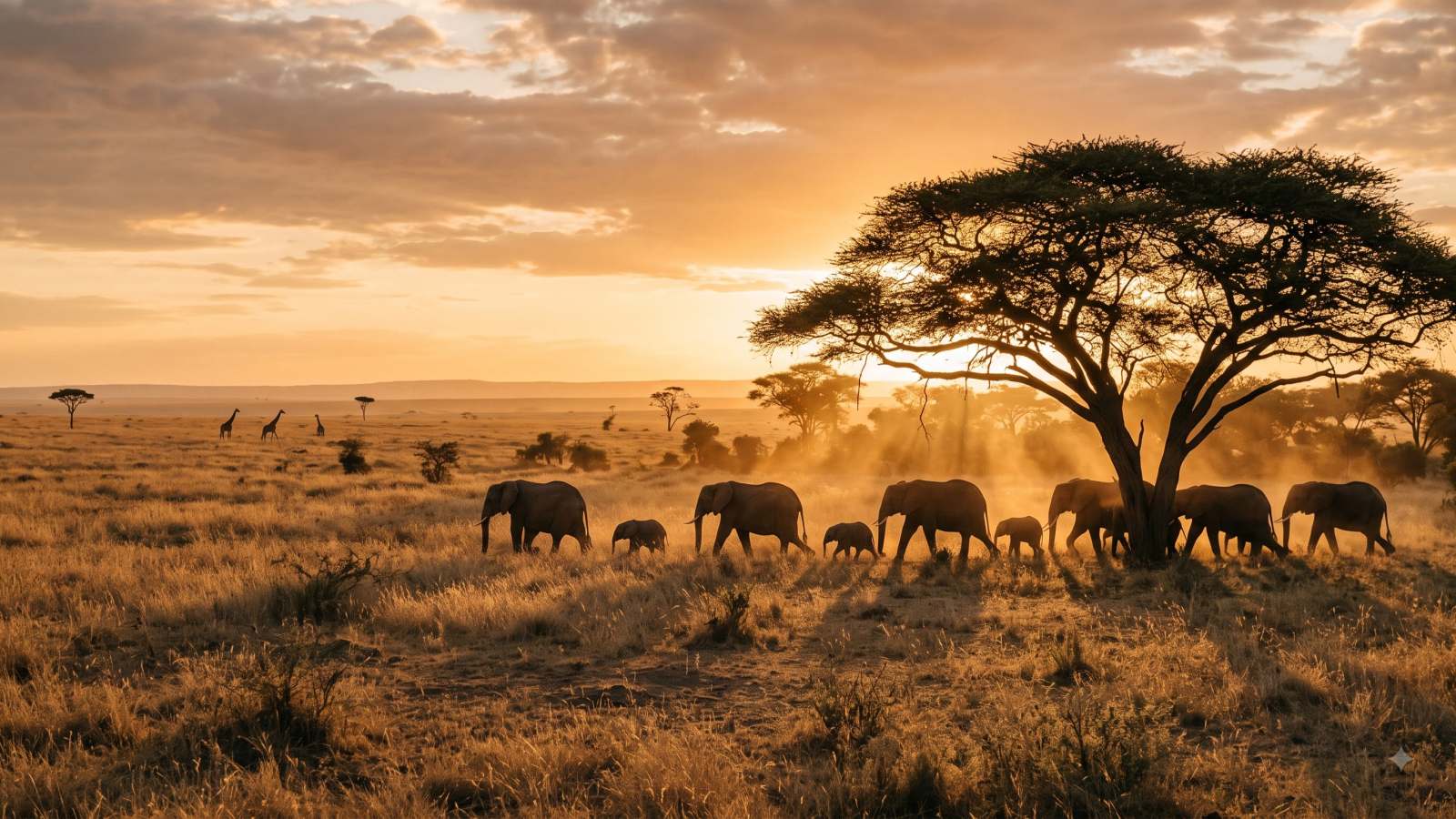
African wildlife populations tracked by scientists have fallen an average of 80 percent since 1970, outpacing declines worldwide ahead of a crucial UN biodiversity conference next month.
The Living Planet Report 2026, released 8 October, sets a stark baseline as governments prepare to assess progress on international biodiversity commitments. With just ten days until the Cop17 conference in Armenia, the data underscores how far the world remains from halting nature loss.
The 80 percent decline in Africa outpaces the global average of 73 percent. The gap between regions is sharp: at 95 percent, Latin America and the Caribbean experienced the most severe regional drop, while Asia-Pacific saw a 49 percent decline.
The first message is that the decline is continuing. The number of wild vertebrates on the planet is still falling.
Africa's steeper decline appears sharper for a specific reason. Yann Laurans said the decline in African biodiversity began later because biodiversity levels in Africa were still extremely high in the 1970s, so the decline has occurred more recently. European biodiversity had already undergone significant deterioration before the monitoring period began.
What the index measures
What we know
- The Living Planet Index is compiled by the Zoological Society of London and tracks changes in monitored wildlife populations rather than calculating the total number of animals lost.
- The index draws on 35,803 population trends from 5,790 vertebrate species worldwide.
- The report tracked monitored populations of mammals, birds, fish, reptiles and amphibians between 1970 and 2022.
Still unclear
- The index measures changes in the average size of monitored populations. It does not mean Africa lost 80 percent of its wild animals or wildlife species.
- The total number of wildlife populations monitored in Africa specifically is not provided in the report.
Globally, roughly half of monitored wildlife populations are either stable or growing. The other half, which faces sharp declines, is severe enough to pull the overall index down significantly.
Where pressure is greatest
The Congo Basin, the world's second-largest tropical rainforest, faces particularly intense pressure. The region is home to species including forest elephants and great apes and is affected by farming expansion, logging, mining and infrastructure development including roads.
In the Congo Basin, roads and other infrastructure fragment forests and make previously remote areas more accessible. Hunting and poaching add to the pressure.
The ivory trade and loss of habitat have driven down African forest elephant populations by more than 60 percent in recent decades.
Main threats to wildlife
- Habitat destruction and degradation The most frequently reported pressures on wildlife populations tracked globally.
- Climate change Among the main threats facing wildlife worldwide.
- Overexploitation Including hunting and poaching.
- Pollution, invasive species and disease Additional threats identified by WWF.
- Global food and agricultural system Identified as the biggest single driver of biodiversity loss, through the destruction of habitats and excessive extraction of natural resources.
Signs of recovery where conservation works
Some wildlife populations have rebounded after sustained conservation effort. Tigers have seen their global wild numbers climb substantially through years of conservation work, and some western lowland gorilla populations in Africa show recovery signs.
Much of the savanna elephant range shows decline, and the species remains endangered. However, some populations in southern Africa have recovered. The southern African savanna elephant rebound resulted from community conservation initiatives, efforts against wildlife trafficking and enforcement against corruption.
When we provide the necessary resources for nature conservation, we can see biodiversity recover. When conservation works, is funded and is sustained over the long term, we see positive results.
The funding gap
The United Nations Environment Programme estimates that around 7.3 trillion dollars went toward activities harmful to nature in 2023, while just 220 billion dollars went to protecting or restoring it. Biodiversity funding falls short by 942 billion dollars annually.
The report argues that protecting individual species and habitats will not be enough. Changes to food and energy production systems, as well as to financial systems, must also occur to reverse biodiversity decline.
Reversing this trend requires coordinated action across governments, civil society and other sectors, with Indigenous Peoples and local communities at the centre.
a stark warning, but also a call to action
What happens next
Governments at Cop17 are expected to assess progress towards international commitments to halt and reverse nature loss. They will review the Kunming-Montreal Global Biodiversity Framework, which has 23 targets. By 2030, these targets set goals to stop human-caused extinctions and enable threatened species to recover. The framework also calls for conserving at least 30 percent of the world's land, inland waters and seas by 2030.