The White House will ease some 50% tariffs on Canadian goods from 30 October while imposing new duties on other products.
The move comes less than a fortnight before elections that will decide control of Congress. It follows the collapse of US-Canada trade talks in August and gives targeted relief to industries linked to the border while leaving the wider confrontation unresolved.
The United States imposed a 50% levy on $20bn of Canadian goods after the negotiations broke down. The tariff announcement now shifts some of that burden rather than ending the dispute.
- August 2026Talks collapse
The United States imposes a 50% levy on $20bn of Canadian goods after trade talks break down.
- Last monthCanada retaliates
Prime Minister Mark Carney matches the US tariffs dollar for dollar.
- Since April 2026Officials keep meeting
Canadian officials hold nine meetings with members of the Canada-United States Economic Relations Advisory Committee.
- 30 October 2026Changes take effect
Some tariffs are eased while new duties are introduced on other products.
- Midterm electionsControl of Congress
Voters decide whether Republicans or Democrats control Congress for the remaining two years of Trump's term.
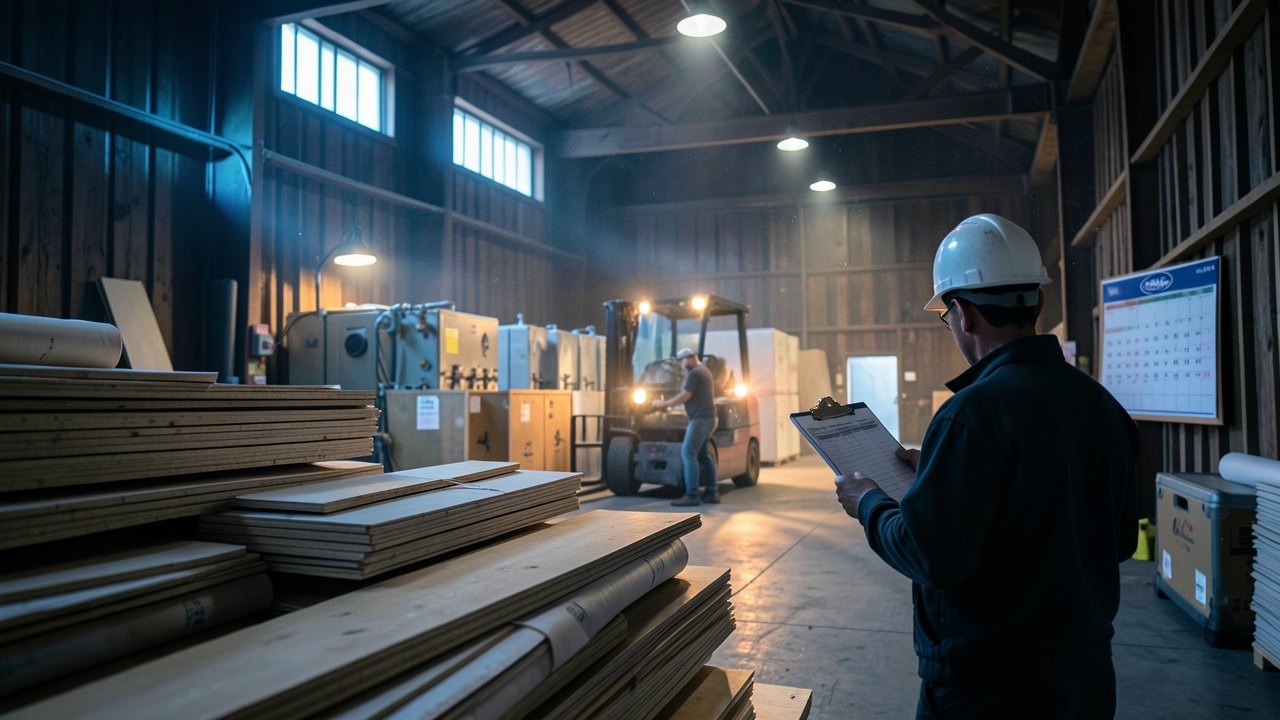
The White House said the change would remove tariffs from some goods, including plywood sheets, selected paper products, certain machinery and refrigeration equipment. Some packing crates and boxes are also included in the products receiving relief.
The administration said it would impose new Section 338 tariffs covering goods that include certain valves, carpets and waste products. A six-page list of goods still facing the 50% tariff also names hair shampoos, cocoa-based goods, window cooling units, archery gear and canoes less than 7.5 metres long.
| Part of the tariff framework | Products or sectors named |
|---|---|
| Tariff relief | Plywood sheets, some paper products, certain machinery, refrigeration equipment, packing crates and boxes |
| New Section 338 duties | Products with certain valves, carpets and waste products |
| Maine industries cited as beneficiaries | Blueberry, potato, apple and seaweed producers |
The White House said the new duties target what it describes as Canada's unfair treatment of US commerce and reflect President Trump's effort to defend American workers and promote fair trade.
President Trump continues to address Canada's discriminatory treatment of US commerce
Trump had imposed the original tariffs, citing what he called Canada's unequal treatment of US cars, dairy and alcohol. The administration's explanation for the wider trade action has therefore remained tied to the treatment of American goods in Canada.
Canada responded with countermeasures. Carney said the measures were needed to protect Canadian workers, and last month he matched the US tariffs dollar for dollar after the talks failed.
US and Canadian positions
United States
White House position
50% tariffs
- Defend American workers
- Address what it calls discriminatory treatment of US commerce
Canada
Government position
Dollar-for-dollar response
- Protect Canadian workers
- Seek a mutually beneficial relationship that respects Canada's interests
Canada's internal trade minister Dominic LeBlanc said the government was assessing the latest US steps and remained ready to work constructively towards a new trading relationship that respected Canadian interests.
While we assess these latest steps, Canada stands ready to work constructively and in good faith towards a more mutually beneficial trading relationship that respects Canada's interests.
The Canada-United States Economic Relations Advisory Committee received a delegation on Thursday, LeBlanc confirmed. It was the ninth such meeting since April 2026, and officials discussed the continuing effect of the US tariffs in Canada.
The tariff dispute has placed particular pressure on states whose economies are closely connected to Canada. Maine borders New Brunswick and Quebec, and its businesses have felt the effects of the months-long trade conflict.
Republican Senator Susan Collins, who is in a tight race for her seat, said she had repeatedly asked senior Trump officials for relief and, after first announcing the exemptions, would continue seeking further relief and a wider trade agreement.
crucial to Maine's agricultural industries, including blueberry, potato, apple, and seaweed producers
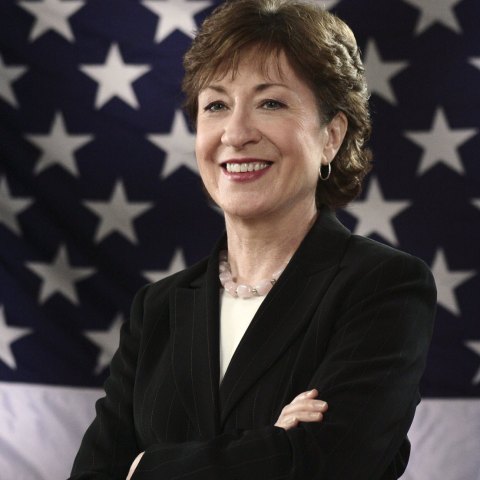
Collins said the goods receiving a reprieve are important to Maine farms and businesses and cannot readily be replaced by US alternatives. Maine's blueberry growers rely on specialised Canadian harvesting boxes that fit their existing processing equipment, while a US maker of cardboard totes widely used in agriculture recently stopped producing them.
She had earlier pressed the administration to remove tariffs on products such as road salt, which the state depends on Canadian supplies for. It remains unclear whether that exemption will be extended.
Collins's Democratic challenger Troy Jackson made the tariff dispute a central part of his campaign. He said the policy had increased costs for people in Maine and criticised Collins for seeking credit for the exemptions after supporting officials connected to the administration's approach.
Trump's trade wars have made life harder and more expensive for Mainers. Susan Collins enabled this chaos, voted to confirm the people behind it, and now wants credit for bringing a cup of water to put out the fire.

The political pressure extends beyond Maine. Michigan lawmaker Mike Rogers, a Republican who had supported the tariff policy in advertisements in his trade-reliant state, has called on Trump to end the standoff. Rogers said the tariffs had raised prices while inflation was already high.
The White House announcement was made on Friday, while Collins separately said she had first announced the exemptions after lobbying for them. The accounts also differ over the setting of Carney's Friday remarks, with one account placing him in Istanbul during a bilateral visit to Turkey.
On Friday, Trump said Canada was putting considerable effort into reaching a trade deal with the United States. The partial tariff reversal came on the same day as that statement.
Carney said Canada was open to a deal benefiting both countries but would not accept pressure over the timetable, and that Ottawa could wait months, or another administration, if doing so was what it took to produce a proper agreement.
We could sign it this afternoon if the US were there. If it has to be months from now or longer than that, or another administration, before a proper deal comes into place, we will do that.

What we know
- Some Canadian goods will receive tariff relief from 30 October 2026.
- New duties will apply to other categories, including carpets and waste products.
- Canada has imposed countermeasures against the US tariffs.
Still unclear
- Whether the two countries will reach a broader trade agreement and when.
- The full list of products affected beyond those named.
- The total value of goods covered by the new tariffs.
- Whether exemptions will extend to products such as road salt.
The tariff changes are due to take effect on 30 October 2026, shortly before voters decide whether Republicans or Democrats will control Congress. Whether the two governments can reach a broader agreement remains unresolved.
30 October 2026 is when the tariff changes are due to take effect.