Japan summoned Russia’s ambassador after Moscow detained journalist Yuki Imai on espionage allegations and ordered his pre-trial custody.
The case combines an unresolved territorial dispute, Russia’s hostility towards Japan over Ukraine-related sanctions and competing claims about journalism and espionage. The detention could make already limited communication between the neighbours more difficult, while the facts of the case remain incomplete.
Russia’s foreign ministry identified the detained reporter as Yuki Imai of the Hokkaido Shimbun. The FSB said a Japanese national had been arrested on Sakhalin, a Russian Far East island near the disputed island chain.
The security service released footage of masked officers entering a hotel room, forcing a man to the floor and handcuffing him. Russia then flew him to Moscow, where a court ordered pre-trial detention.
Russian media reported that Imai would remain in custody until 12 December 2026. The charges carry a possible sentence of up to 20 years in prison.
- 2019Earlier Japanese journalist detention
Moscow detained an unnamed Kyodo News journalist in Vladivostok over an allegation involving military secrets and ordered the journalist to leave Russia within 72 hours.
- AugustPutin visits Iturup
Russian President Vladimir Putin visited Iturup in the Kuril Islands, prompting a sharp reaction from Japan.
- Last weekJapan approves further sanctions
Prime Minister Sanae Takaichi’s cabinet approved more sanctions against Moscow, including wider export bans and asset freezes linked to the Russian military.
- WednesdayJapan protests
Japan’s foreign ministry summoned Russian ambassador Nikolay Nozdrev in Tokyo over the detention and Russia’s statements about the case.
- 12 December 2026Reported custody deadline
Russian media reported that Imai’s custody order runs until this date.
The FSB said it had opened a criminal case, alleging that the detained man gathered information on Russia’s defences for Japanese intelligence. Another Russian account placed the alleged task among people taking part in a special military operation on the Kuril Islands.
Russia and Japan present different accounts
Russia’s position
Security and espionage allegations
- The FSB says the detainee gathered information for Japanese intelligence.
- The Kremlin says the security service is carrying out its work.
- Russia says the incident is part of a wider problem involving Japanese correspondents.
Japan’s position
Information, access and fair treatment
- Tokyo says it has not received an explanation for the case.
- Japan says it has been unable to contact Imai.
- Japanese diplomats have requested information and humanitarian consideration and fair treatment.
The FSB did not disclose when the arrest took place or when the court hearing was held. Japan’s foreign ministry said Tokyo had not received any explanation concerning the case.
Japan’s foreign ministry said Kimitake Nakamura, an official in its European Affairs Bureau, summoned ambassador Nikolay Nozdrev. The protest covered both the detention of a Japanese national and what Tokyo described as Russia’s unilateral statements about the case.
Chief Cabinet Secretary Minoru Kihara said Japan learned about the arrest from the official announcement in Moscow and had not been able to contact the individual. He said:
From Japan's perspective, despite the difficult situation in Japan-Russia relations, Japan has taken resolute measures based on its position. At the same time, Russia is a neighboring country to Japan, and communication is necessary to resolve these issues.
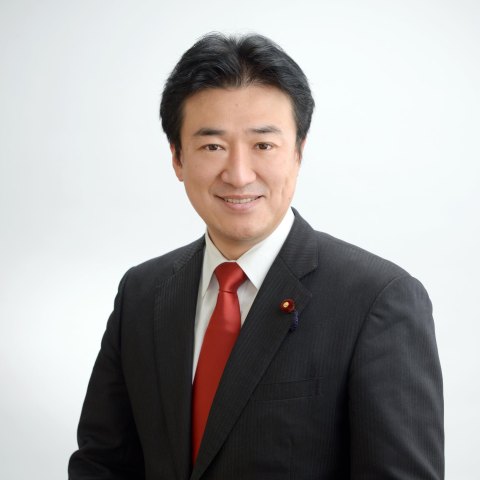
Foreign Minister Toshimitsu Motegi said Japanese diplomats in Russia had sought information promptly, as well as humanitarian consideration and fair and impartial treatment for the detainee.
As well as for humanitarian consideration and fair and impartial treatment
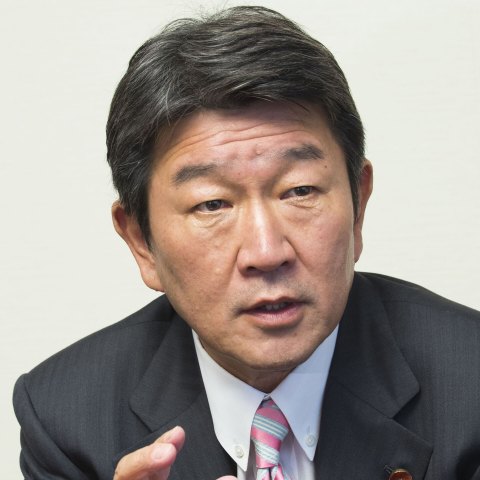
The Hokkaido Shimbun said Imai worked at its bureau in Yuzhno-Sakhalinsk, on Sakhalin, and was arrested while reportedly preparing to return to Japan. It was still checking the details of the Russian announcement.
Ensuring the safety of the journalist is our top priority and we are responding accordingly
The newspaper has not confirmed in the available account whether the detained man is Imai. Japan has also not said whether officials have since spoken to him. Tokyo has no explanation from Moscow, and the Russian authorities have not set out what evidence supports the espionage allegation.
The Kremlin has defended the FSB’s role. Kremlin spokesperson Dmitri Peskov said:
If there are spies, they get caught.

Russian foreign ministry spokeswoman Maria Zakharova said Tokyo had used correspondents in Russia to collect information against the country’s security. The case was not isolated.
Attempts by Tokyo to use its correspondents in Russia...to gather information aimed at undermining the security of our state is regrettable
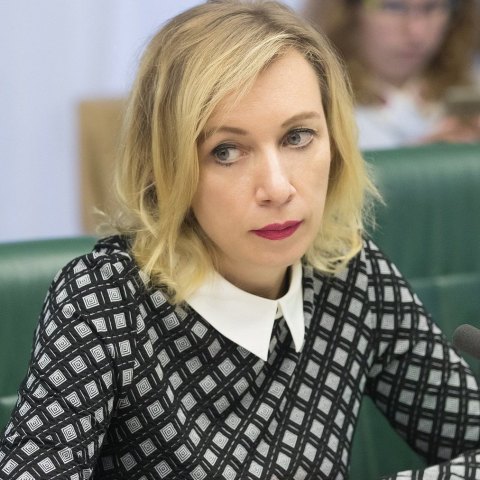
Zakharova did not identify other journalists or media organisations that Russia believes were involved in similar activity. The differing Russian descriptions also leave unclear whether the allegation concerns information about Russia’s defences generally or people involved in a military operation on the Kuril Islands.
Reporters Without Borders called for Imai’s rights to be respected and for his release. The media rights group said that gathering information is part of journalism.
The detention follows a sharp deterioration in relations
Japan joined Western sanctions against Moscow after Russia’s invasion of Ukraine. Russia has responded by designating Japan an unfriendly country, while Takaichi’s cabinet approved additional sanctions last week.
The latest measures included expanded export bans and asset freezes for people linked to the Russian military. They came after years in which the two governments had already struggled to manage their broader relationship.
Takaichi said Putin’s visit to Iturup in August added a further dispute, described it as absolutely unacceptable and said it worsened Japanese sentiment towards Russia.
The Kuril Islands issue has remained unresolved for more than a century. Russia administers the archipelago, while Japan claims the four southernmost islands and calls them the Northern Territories.
Russia took control of the islands after the 1945 Yalta agreement and Japan’s surrender in the final weeks of the Second World War. Moscow seized the archipelago and expelled about 17,000 Japanese citizens.
The continuing dispute means Japan and Russia have never signed a peace treaty to end the Second World War. Japan said the island chain lies between Hokkaido in northern Japan and Russia’s Kamchatka Peninsula, with the nearest of the four islands it claims less than 4km from Hokkaido.
The detention therefore links a security allegation involving a journalist to territory that both governments continue to describe in sharply different terms. Russia’s account refers to intelligence gathering and its national security, while Japan’s response centres on information about the case, contact with the detainee and his treatment.
The arrest is also the most prominent detention of a foreign journalist in Russia since Wall Street Journal reporter Evan Gershkovich was detained in 2023. A Russian court later found Gershkovich guilty of espionage and sentenced him to 16 years. He was freed in an East-West prisoner swap in August 2024.
The 2019 detention of the Kyodo journalist shows that Japanese media have faced Russian scrutiny before. In that case, Moscow alleged an attempt to obtain military secrets, detained the journalist in Vladivostok and ordered the person to leave Russia within 72 hours.
The Hokkaido Shimbun said it was still confirming the basic details surrounding Imai’s detention, while Japan had not disclosed whether it had received evidence, whether officials had contacted him after Kihara’s initial statement or whether Moscow had provided the explanation requested by Tokyo.
What we know
- Russia identified the detained reporter as Yuki Imai of the Hokkaido Shimbun.
- The FSB said a criminal case had been opened and that the detainee was being held in pre-trial detention.
- Japan summoned Russian ambassador Nikolay Nozdrev and requested information and fair treatment.
Still unclear
- The exact date of Imai’s arrest and court hearing.
- Whether the Hokkaido Shimbun has confirmed Imai’s identity.
- What evidence Russia has for the espionage allegations.
- Whether Japanese officials have since contacted Imai.
The case has not been independently established as espionage in the facts available here. Russia has made the allegations, while Japan and the newspaper say they lack access to basic information about the detention. The media rights group Reporters Without Borders rejects the idea that information gathering alone proves wrongdoing.
The next dated pressure point is 12 December 2026, the reported end date of Imai’s custody order. Japan is seeking information, humanitarian consideration and fair and impartial treatment before then.