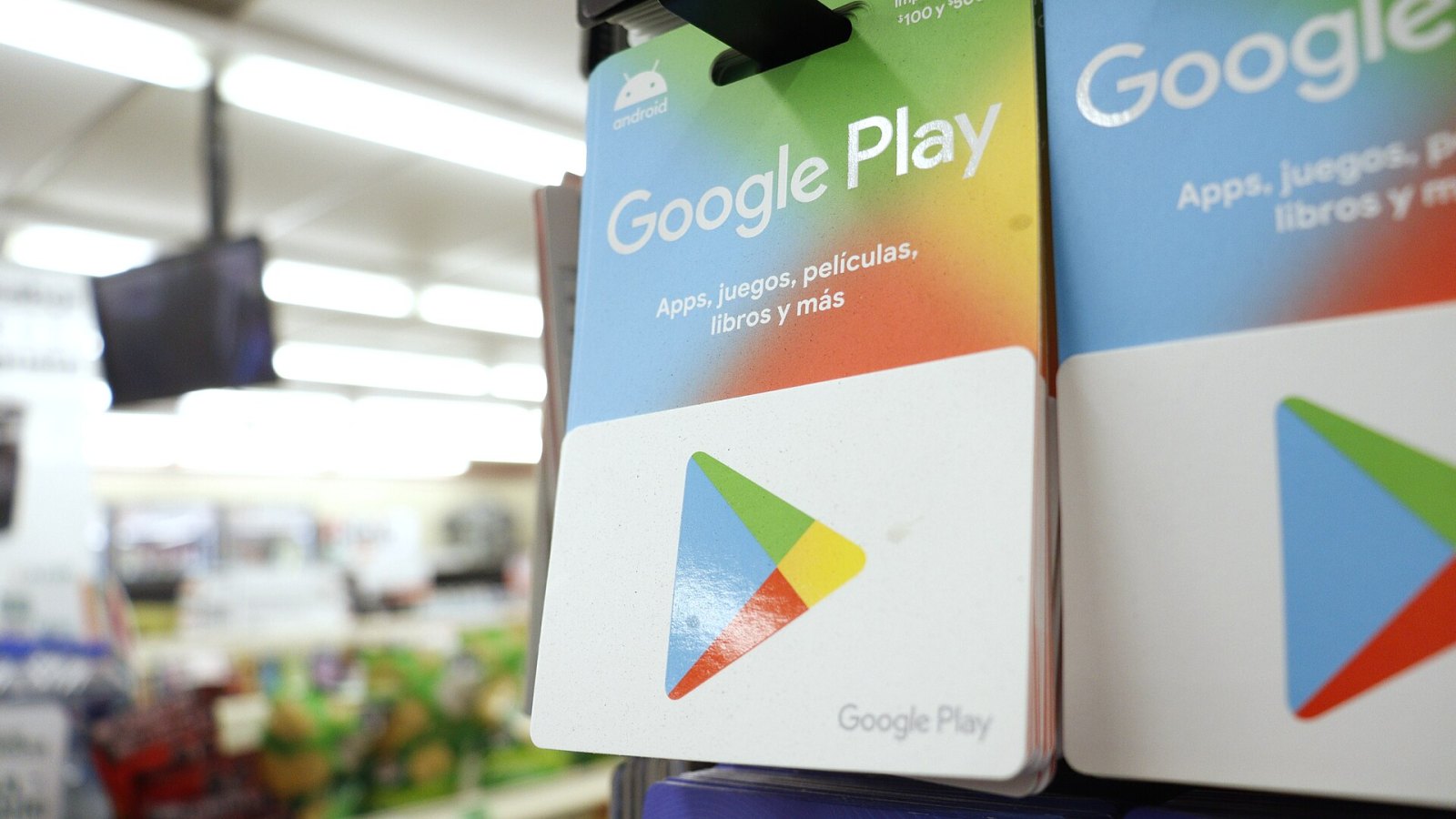
Google Play now allows US users to privately launch personal Android apps generated via AI, bypassing the public store catalog entirely.
Google announced on Tuesday a new feature in the US that lets users launch personal apps directly through the Play Store. The feature lets users run their vibe-coded apps on Android phones without first publishing them on the Google Play Store.
What we know
- Direct Private Deployment: Users can build an app using natural language ("vibe coding") in Google AI Studio and push it straight to their personal Android device via a secure repository within the Play Store, without needing to plug their phone into a computer via ADB.
- No Developer Account Required: The feature is accessible using a standard personal Google account, eliminating the sign-up barriers and fees traditionally associated with developer portals.
- Complete Privacy from the Public: These personalized apps remain separate from the main public store catalog. They are hidden from global search engines, listing pages, and cannot be discovered by the general public.
Still unclear
- Security & Malware Filtering Protocols: Because these private applications bypass the standard Trust & Safety checks applied to public developer submissions, it remains unclear what baseline cloud scanning or on-device safety checks Google will perform to ensure these AI-generated tools don't accidentally execute malicious scripts or leak user data.
- Exact Global Expansion Dates: While the U.S. and select regions are live, Google has not provided an exact timeline for when this feature will expand to other major global regions, or if age restrictions will shift in international markets.
- Onboarding Migration Costs: Google plans to introduce a direct pipeline allowing personal projects to "graduate" into the public Play Store as professional applications. However, they haven't clarified if users will face standard developer registration fees at the exact moment of migration.
The apps are not shared with anyone except the app's creator. Users launch these apps using a standard Google account. A 'Your personal library' section in the Play Store lets users access apps across multiple devices for restore and install.
That’s why the future of apps on Google Play is personal, secure, and built by everyone — and it’s why Play is leading the charge and moving from ‘there’s an app for that’ to ‘there’s an app for me,’
In May, Google introduced a feature in Google AI Studio that lets users vibe-code personal Android apps. The tool allows generation of these apps and their deployment to a phone via ADB for individual use.
Conflicting reports on rollout
TechCrunch report
Availability
- Initially available to users in the US
- Age 18 and up
9to5Google report
Availability
- Rollout starts today in the US
- Other select markets included
The personal apps must still comply with Google Play's existing policies. Google says it will soon add the ability to share an app with a select group of people. In the months ahead, users will be able to share vibe-coded creations with a network of trusted friends. Private sharing is intended for small-scale sharing, and those apps go through a security review.
If you want to share your app with the world, Google Play helps you graduate to a professional developer account with the same Trust & Safety reviews and high-quality standards as professional developers
Google said users can move a personal app to a professional developer account, subject to the same high-quality standards and Trust & Safety reviews applied to professional developers. Popular apps may later shift to the Google Play Store for all users after further reviews. With some 3 billion users, the store previously offered universal access. Before this update, many people restricted their vibe-coding to web apps rather than native Android applications.
New gaming and AI features
Google is also building Game Finder, a personalized game recommendation engine first available in the US in English. It combines user preferences with insights from Google's game community of 1.2 billion players. The tool begins with a 'Gamer DNA' analysis of play habits and shared preferences, allowing users to specify genres, mechanics, and games to finetune results. The service launches in the US now, with expansion to other regions planned.
Google will let users curate their own lists of games, called Game Playlists, and soon share them. The Play Store is adding Sprints, described as 48-hour micro-challenges that match groups of two to five players. A new Community Posts section will let users post questions about games.
The Sidekick in-game overlay now adds 30-second Playback clips for sharing. Ask Play, the Play Store's built-in AI assistant, receives updates to compare key differences between similar applications. Google Play apps and games will integrate more deeply into Gemini conversations. Google said Sports Topic Pages on its platform are expanding to cover Major League Soccer, Liga MX, La Liga, the Champions League, and the Premier League, displaying live scores and relevant streaming apps.
These changes arrive as Google Play introduces support for an age-range feature. This allows parents to share their child's age range with developers without revealing the exact birthdate.