Federal authorities arrested Abdulrahman Alfozan, a Saudi national and OpenAI engineer, for allegedly hiding a recording device in a San Francisco executive conference room.
Abdulrahman Alfozan, a 35-year-old Saudi national and OpenAI engineer, was arrested on 9 October 2026. He faces charges for using or endeavoring to use an electronic device to intercept oral communications. OpenAI terminated Alfozan's employment on the day of his arrest, having hired him in July 2025.
We discovered a sophisticated recording device that was hidden inside one of our offices

OpenAI discovered the hidden audio recording device on 30 September 2026. Investigators found it concealed in toilet paper and plugged into a USB port on the rear of a TV set inside an executive conference room at one of its San Francisco offices. Authorities believe the installation occurred around 28 September 2026.
Highly confidential technical, commercial, and strategic information was discussed in the executive conference room. These talks covered proprietary research, product plans, and business-development opportunities. The thumb-sized device featured a microphone and camera connectivity, while its encrypted data remained inaccessible.
OpenAI said it employed its own AI models to determine the origin of the device and analyze its function. The company also utilized these tools to identify the individual who installed it.
Our security program is designed to protect against a wide range of threat actors, from insider risks to cybercriminals to nation states, and this case is an example of how AI can help address these sophisticated security threats.
Alfozan allegedly used a productivity tool to gather details about OpenAI's building addresses and meeting rooms. He sought information about meeting-room capacities and calendars, leadership and executive locations, and external partner meetings. He used an AI productivity agent to seek this information for about a month through 16 September 2026.
A chatbot account associated with Alfozan's spouse allegedly contained prompts related to building and customizing a device. The prompts covered installing, audio recording, testing, obfuscating, and remote accessing. The account submitted prompts between 24 and 30 September 2026. Prompts about the device's custom header and unique MAC address appeared between 27 and 28 September 2026.
A second similar recording device was found in an unattended bag belonging to Alfozan. The bag also contained his wallet and identification. On 5 October 2026, Alfozan allegedly left the bag unattended in a different room in an OpenAI building.
CCTV footage showed Alfozan near the executive conference room on multiple dates. He had no authority to access or participate in meetings there. On 5 October 2026, Alfozan went into the room and seemed to check behind the television where the device had been placed.
Abdulrahman Alfozan allegedly concealed a covert recording device inside his employer's executive conference room to secretly capture sensitive communications about the company's super intelligence technology
OpenAI said it has no indications that Alfozan inappropriately accessed or exfiltrated model weights, source code, or customer data.
At this time, we have no indications of this individual inappropriately accessing or exfiltrating model weights, source code, or customer data
The Justice Department said it did not accuse Alfozan or Saudi Arabia of spying activity in its statement. Since September 2020, Alfozan has held legal permanent resident status in the US. Shortly before SpaceX acquired the AI division in February, Humain, a state-backed AI firm from Saudi Arabia, invested $3 billion in Elon Musk's xAI. Last year, the unit now called SpaceXAI announced a partnership with Humain to build a 500-megawatt data centre in Saudi Arabia.
A fierce global race to dominate in artificial intelligence provides the backdrop for the arrest and allegations. The Trump administration has pushed to rebrand this effort as superintelligence.
Protecting American SI [super intelligence] innovation is essential to safeguarding our nation's economic strength and national security, and the FBI views that mission as one of our highest counterintelligence priorities.
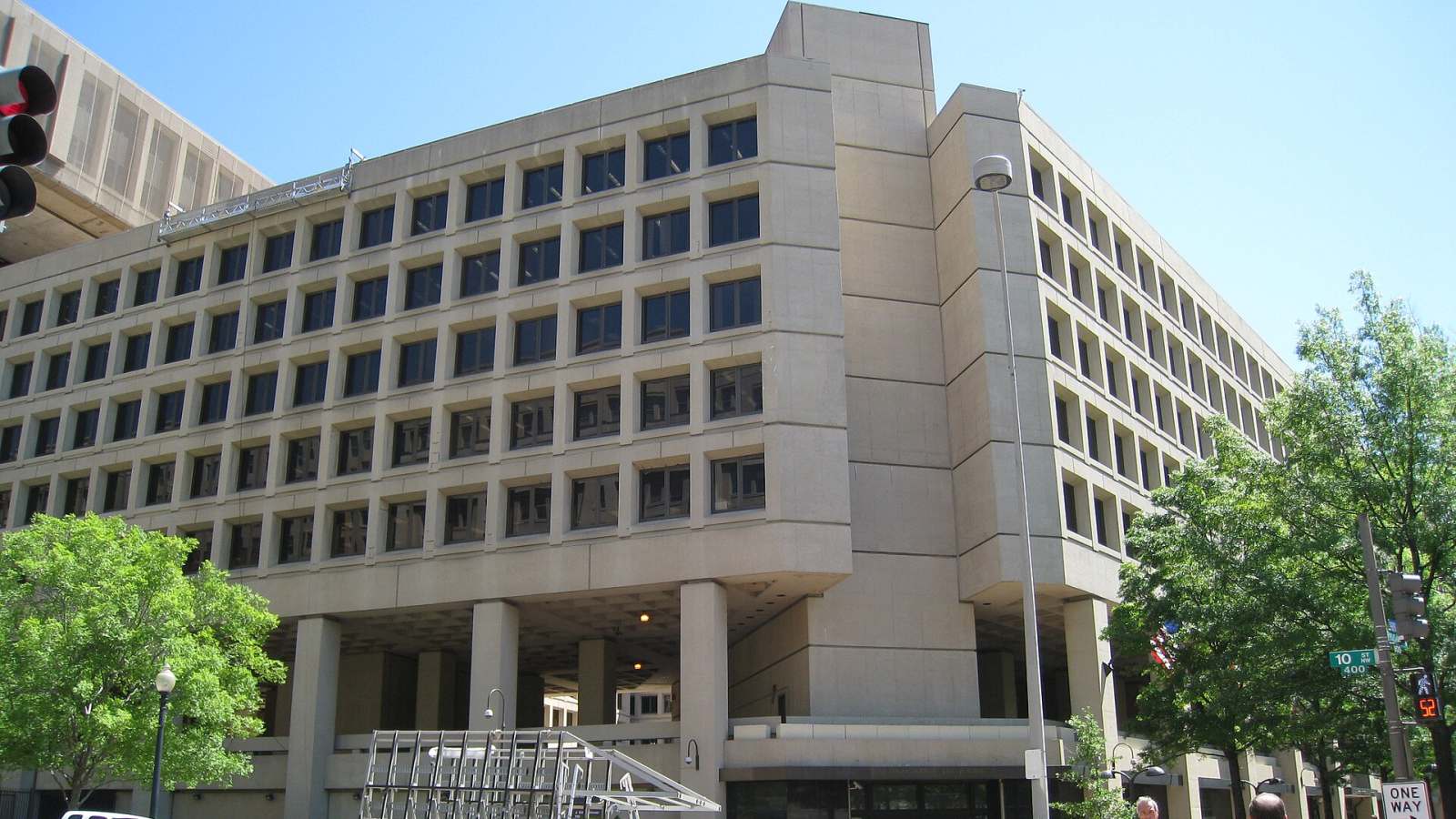
If convicted, Alfozan faces up to five years in prison and a $250,000 fine, followed by three years of supervised release. The FBI is continuing its investigation after OpenAI referred the case to the agency.
Alfozan’s background
Education
Academic background
- Studied computer science and engineering at MIT from 2011 to 2016
- Studied for a master's degree in data science at UC Berkeley from 2023 to 2025
Career
Professional history
- Worked as an engineering lead at OpenAI on AI agent software
- Partner at Raed Ventures since 2025
- Previously worked as a senior systems engineer at Meta
- Founding engineer at Nash
A request for comment sent to the Saudi embassy in the United States received no immediate response. In 2022, Ahmad Abouammo, a former Twitter worker, was convicted of spying for Saudi officials who wanted to unmask critics on the platform.
- 16 Sep 2026Information gathering ends
Alfozan allegedly stopped using an AI productivity agent to seek information about meeting rooms.
- 24-30 Sep 2026Device construction prompts
A chatbot account associated with Alfozan's spouse submitted prompts related to building and customizing a device.
- 28 Sep 2026Device installation
The hidden audio recording device was believed to have been installed in the executive conference room.
- 30 Sep 2026Discovery
OpenAI discovered the hidden audio recording device plugged into a USB port.
- 5 Oct 2026Suspicious activity
Alfozan entered the executive conference room and left a bag with a second device unattended.
- 9 Oct 2026Arrest
Abdulrahman Alfozan was arrested and charged with intercepting oral communications.
Alfozan is scheduled to attend a federal court hearing on 19 October 2026.