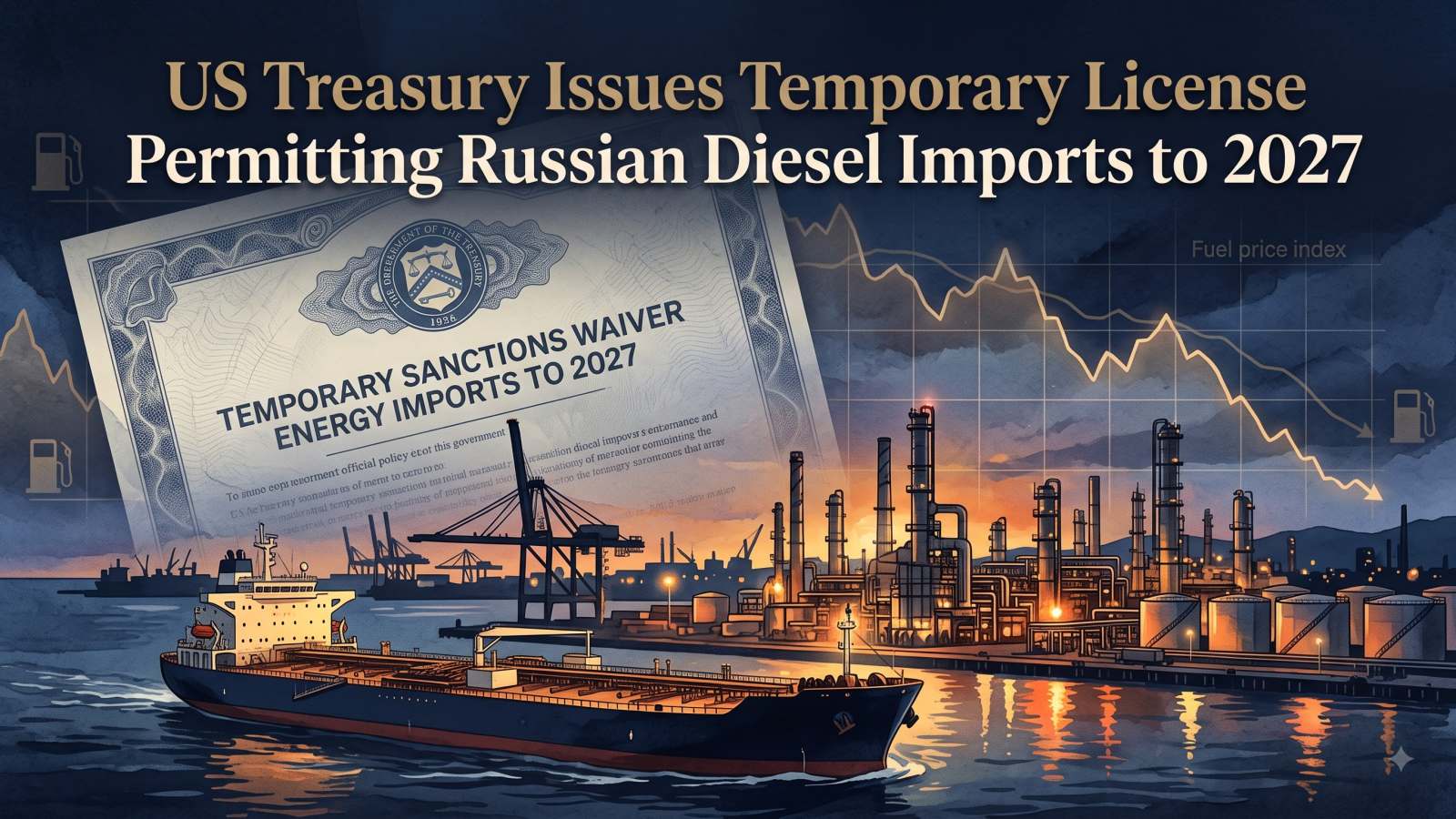
The US has temporarily lifted sanctions on Russian diesel to lower domestic fuel prices ahead of midterms, drawing sharp condemnation from Ukraine and allies who view it as rewarding aggression.
A temporary licence from the US Treasury Department permits Russian diesel imports through April 7, 2027. This move suspends sanctions on those exports, although other assets held in American banks stay frozen. The decision follows an agreement between President Donald Trump and Russian President Vladimir Putin.
Russia will immediately supply over 300,000 Tons of Diesel Fuel to the American and Global Marketplace
Trump outlined a phased schedule for these deliveries. Moscow would supply a further 500,000 tonnes in November, followed by one million tonnes. He stated that Russia plans to send an additional 3 million tonnes soon, contingent on the status of its diesel refineries. This brings the total planned supply to more than 4.8 million tonnes according to some reports, though other sources describe the later volumes as promised thereafter without a specific total.
- ImmediateFirst release
More than 300,000 tonnes of diesel released to global markets.
- NovemberSecond tranche
A further 500,000 tonnes supplied by Moscow.
- ThereafterLarger releases
One million tonnes followed by up to 3 million tonnes based on refinery conditions.
Fuel prices have surged since late February. Tehran blocked the Strait of Hormuz, a vital global energy route, after strikes by the US and Israel on Iran. Since then, the average US regular petrol price has climbed over 46% to $4.37 per gallon. Diesel costs jumped 67% to $6.28 per gallon. Brent crude, the global benchmark, stays above $103 a barrel, up from about $73 before the conflict with Iran.
The announcement comes just weeks before crucial US midterm elections on November 3. Trump’s Republican Party risks losing its congressional majority as voters grow frustrated with living costs. The President seeks to ease rising energy expenses as his party aims to keep control of both the House of Representatives and the Senate.
Ukrainian President Volodymyr Zelenskyy criticised the easing of sanctions on Russia as unworthy and weak. He described the decision as dishonest and not befitting of strong partners.
It is certainly not honest, it is certainly unworthy of our partners, and it is, in my view, a weak decision
Zelensky warned that the deal invests in a war that must end rather than continue. Gifts to Putin would not benefit the civilized world or bring peace, and Russia would repay the diesel with more terror and perfidy.
Allies also expressed disapproval. Australia's energy and climate change minister Chris Bowen rejected the need for Russian fuel.
We don’t need or want Russian fuel in Australia.

A UK government spokesperson reaffirmed that its position could not be clearer. It would continue working with international partners to support Ukraine and bring about sustained peace. In the US, Representative Don Bacon, a Republican, criticized the move. He urged implementing recently passed congressional sanctions instead of removing existing measures. He argued that officials should use those sanctions to pressure Putin’s war machine instead of rewarding a dictator with more money while he continues to target and kill Ukrainian civilians.
Kirill Dmitriev, an envoy for Putin, welcomed the cooperation. He said joint Russia-US efforts on energy and diesel would help the world.
Russia has faced its own production challenges this year. Two waves of severe fuel shortages occurred across the country due to Ukrainian drone strikes on Russian oil refineries. The International Energy Agency estimates that diesel output has dropped by nearly 30%. It remains unclear whether Russian refineries can physically deliver the promised volumes given this recent damage.
Volume comparison
Russian diesel offer
Initial tranche
300,000 tonnes
- Immediate release
- Part of larger phased plan
US daily consumption
Energy Information Administration
~600,000 tonnes/day
- Equivalent to >0.5 days supply
- Market impact limited
The first 300,000 tonnes of Russian diesel equal slightly more than half a day of US consumption. Analysts questioned the significance of the deal for consumer prices. Rory Johnston, an oil market researcher, dismissed the impact.
I cannot overstate how much of a nothing burger this is,
Jim Mitchell, an analyst at consultancy Wood Mackenzie, saw it as minor aid. He said it is clearly not a solution but provides another source for a constrained diesel market. US diesel futures fell almost 5% following news of the deal, trading at $4.64 a gallon.
Diplomatic efforts continue alongside the economic moves. Ukrainian and US negotiators met in Miami on Friday in a fresh attempt to break the deadlock in efforts to end the war. US envoy Steve Witkoff said the two sides held constructive discussions on potential avenues to de-escalate and conclude the war with Russia ahead of winter. Officials from Britain, France and Germany attended the talks, alongside representatives of NATO and the European Union.
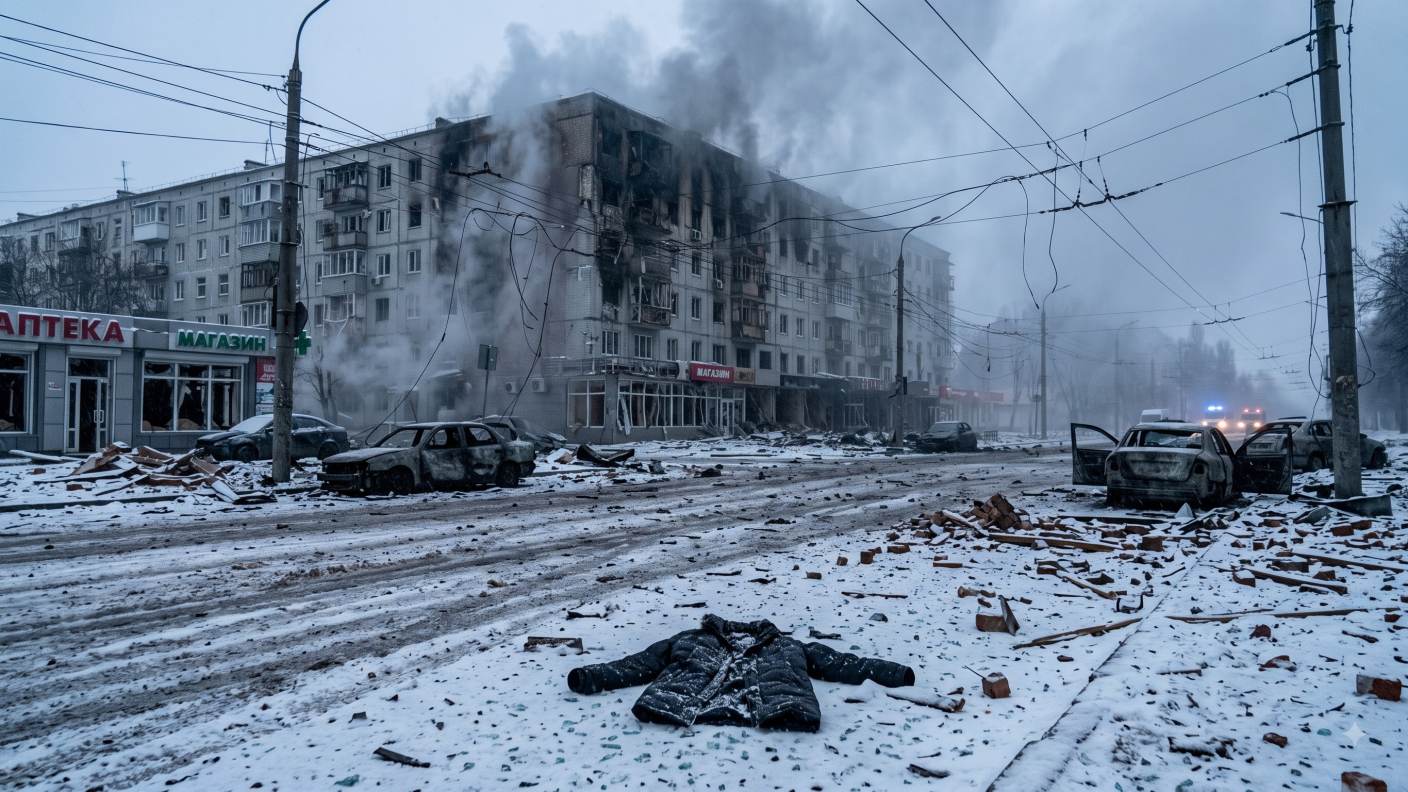
Violence persists on the ground. A Russian attack on buses in Kramatorsk, a frontline Ukrainian city, killed 30 people on Thursday. It is not known what specific concessions Russia will receive from the US in return for the diesel commitment.