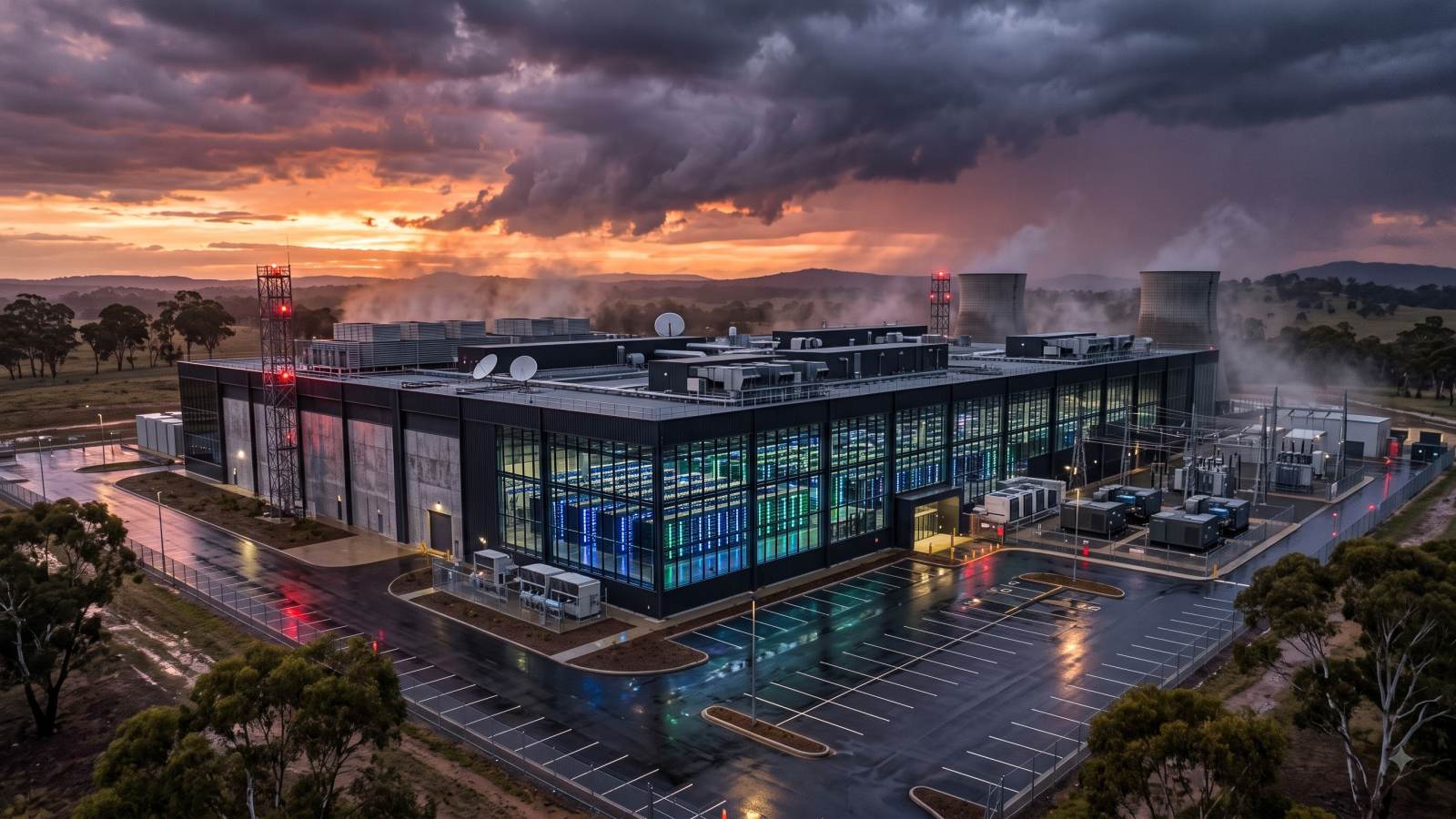
Nvidia-backed data centre operator Firmus has withdrawn its planned multi-billion-dollar Australian share sale, saying market volatility and conditions meant the offer terms did not reflect its business.
Firmus closed its order books on the morning of 9 October, Sydney time, before it announced the withdrawal. An order book is the running tally of orders that investors place for shares in a listing.
The board found that the proposed terms fell short of showing the strength of the business and its long-term growth outlook. Firmus said in its statement: "The board therefore concluded that proceeding with the offer was not in the best interests of the company and its shareholders."
Firmus also set out its next move in the same statement: "Firmus will now pursue capital from the private markets and consider alternative public and private market options".
What was on offer
Firmus had reportedly planned to raise $5 billion, pricing shares at A$11 each. It would have ranked second among new share sales in Australian history.
Accounts differ on the size of the offer. Two put it at $5 billion, while a third gives US$5.5 billion. That third account also calls the company Firmus Grid, whereas the others say Firmus.
Oliver Curtis, Tim Rosenfield and Jonathan Levee started the company in 2019 as a bitcoin miner. Curtis served a prison sentence for insider trading.
Firmus became tabloid fodder in 2026 as the prospect of an IPO took shape. The attention came partly from Curtis' criminal background and partly because his partner is PR executive Roxy Jacenko, a prominent socialite.
How the valuation was built
A valuation starts with a simple sum. The price of one share multiplied by the number of shares gives the equity value of the company.
At A$11 a share, the IPO would have given Firmus an equity value of US$30.6 billion. That was nearly triple the US$10.5 billion valuation it reached after a funding round at the start of August.
In August, Firmus announced a $2 billion round backed by Nvidia, Coatue Management, Blackstone and Jane Street. The round took the equity it had raised over the preceding year to more than $3 billion.
| Measure | Figure |
|---|---|
| Valuation after the August funding round | over US$10.5 billion |
| Equity value at the IPO price of A$11 a share | US$30.6 billion |
| Enterprise value, equity plus debt | about US$60 billion |
Enterprise value adds a company's debt to its equity value. Analysts working for the joint lead managers of the IPO put Firmus's debt at about US$30 billion, which gives the enterprise value of about US$60 billion in the table.
Against those figures, the company's current earnings are small. In the 2026 financial year, Firmus brought in revenue of US$51 million.
In a draft prospectus, Firmus said its portfolio of data centres would bring in US$5 billion in annual earnings within five years. Most of those sites have yet to be built.
Investor documents seen by Bloomberg show a pipeline of 912MW, of which only 46MW has been built. Firmus has two data centres online, in Melbourne and Singapore, with five more planned across the Asia-Pacific and still at an early stage of development.
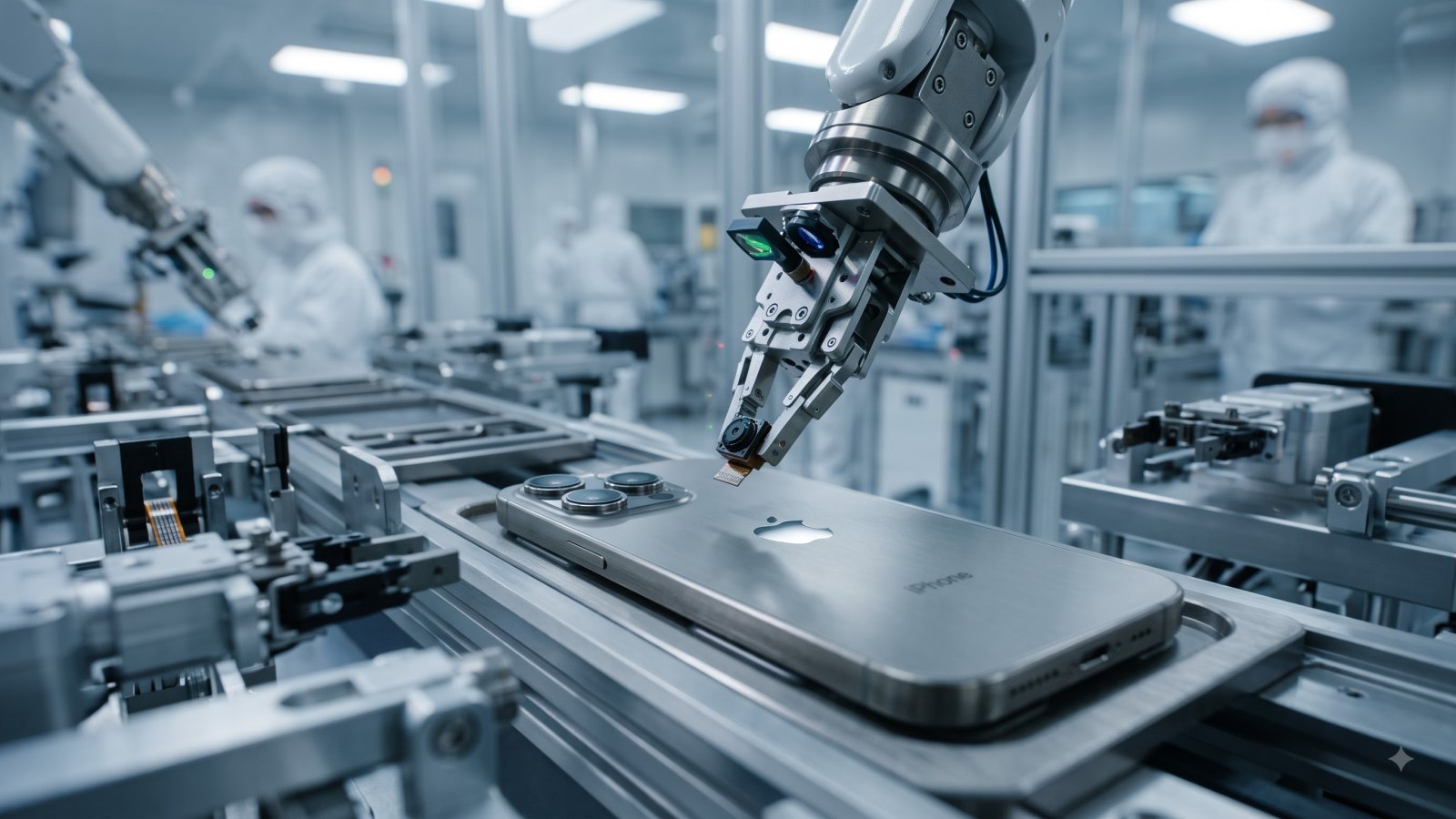
Firmus designs and operates modular AI factories, using its own energy and cooling technology. It plans to build them with hardware from its backer Nvidia.
Last month, Firmus announced agreements with Meta to provide GPU computing capacity at its AI data centres in Southeast Asia. The sites are built on Nvidia's DSX platform and will support Meta's AI research, model development and training.
Why investors stayed away
Investors grew more concerned about the jump in valuation after they were told earlier this week about the deal's escrow arrangements. Those arrangements would have let existing investors sell more than half of the stock from the proposed first day of trading.
About 58% of shares would have been tradable on that first day, according to discussions with at least 10 investors and advisers. This share of stock open to trading is known as the free float.
The term sheet sent out when the deal launched showed that indicative offers already covered the size of the transaction. Even so, potential investors said they were sceptical about the company's rising valuation, its ability to carry out ambitious growth plans and its large debt.
UniSuper, one of Australia's biggest pension funds, was among the institutions that did not take part in the IPO process. Its chief investment officer, John Pearce, set out the reasoning in an investor update published on 8 October.
We think that Firmus indeed has a compelling story. It just doesn’t have a compelling valuation
Pearce said: "So much has to go right to justify the valuation." The fund was also worried that Firmus would have to keep raising debt and equity to pay for its expansion.
Jun Bei Liu, co-founder of fund manager Ten Cap, said some of the problems were particular to the company.
There are certainly Firmus-specific issues, particularly around the speed of its valuation increase, the enormous capital requirements and the execution risks associated with delivering its ambitious expansion plans.
Liu said: "I think the Firmus situation represents an important reality check for the AI investment boom, but I wouldn't interpret it as the beginning of the end of the AI trade". A broader shift was under way, with investors focusing more on the economics of AI investments, returns on capital and turning infrastructure spending into returns.
On 8 October, Phil Wool, who heads portfolio management at Rayliant Global Advisors, said investors are increasingly on edge. "Firmus was going to be one of the biggest Australian IPOs ever, so from that perspective, it registers as a historical fail."
Maxence Visseau, Dubai-based chief investment officer at Arkevium Capital, said investors continue to believe in AI. "What they won’t do is pay any price for companies that spend huge amounts on data centres, depend on a few big customers and promise profits years from now."
The wider market backdrop
Shares of Maas Group fell by a record 30% in Sydney on 8 October, before paring losses to 22%. Maas holds a stake in Firmus and has at least A$855 million in electrical infrastructure contracts tied to its buildout.
Strain showed up in other markets too. Accelevation Holdings, a data-centre company, priced its US debut in September below its marketed range. South Korea's Kospi has dropped 27% since its June peak, as the boom faded for Samsung Electronics and SK Hynix, both memory chipmakers.
Bain & Co said the AI industry will need annual revenue of US$6 trillion by 2031 to justify the capital going into data centres. KKR & Co said it would take US$8 trillion to finish the global AI buildout.
PwC projects that data centres alone could see cumulative global spending of more than US$30 trillion by 2050. Separately, Anthropic is targeting a mega IPO as early as November.
Ray Dalio, a billionaire, said this week that AI is a classic bubble near bursting, because of rising rates and the large debt taken on to fund it.
Michael Burry wrote in an X post on 6 October that the stock market is in the first stage of grief, which he called denial. Going by 2000 and 2008, this stage lasts six to nine months.
- AugustFunding round
Firmus announces a $2 billion round at a valuation of over US$10.5 billion.
- 6 OctBurry post
Michael Burry says on X that the market is in denial.
- 8 OctUniSuper update
UniSuper publishes its update, and Maas Group shares fall by a record 30% in Sydney before paring losses to 22%.
- 9 OctIPO withdrawn
Firmus closes its order books in the morning, Sydney time, then withdraws the offer.
What we know
- Firmus withdrew the offer and said it will pursue private capital.
- The deal would have been the second-largest new share sale in Australian history.
Still unclear
- Whether Firmus can raise private capital, and on what terms.
- Which alternative public or private options it will consider.
- The exact size of the withdrawn offering, given the differing figures.
- Whether the source that calls the firm Firmus Grid means the same company.