Iran said it could reopen the Strait of Hormuz in two days, as Washington weighs fresh strikes after Tuesday's midterms.
The offer came during talks mediated by Qatar and Pakistan, which have yet to produce a lasting agreement. It came alongside a stern warning from Iran's supreme leader, too. The decision on any fresh strikes rests with the US President, whose country holds its midterm elections on 3 November.
Iran's offer and the blockade
Iran's Foreign Minister, Abbas Araghchi, said Tehran might be ready to reopen the strait within two days, speaking Saturday evening. The earlier timeline was seven days.
Last month, Araghchi proposed reopening the strait within a week, provided Washington ended its restrictions on Iranian ports, unfroze Iranian assets and eased limits on Iranian oil sales, along with other conditions. Washington rejected the proposal.
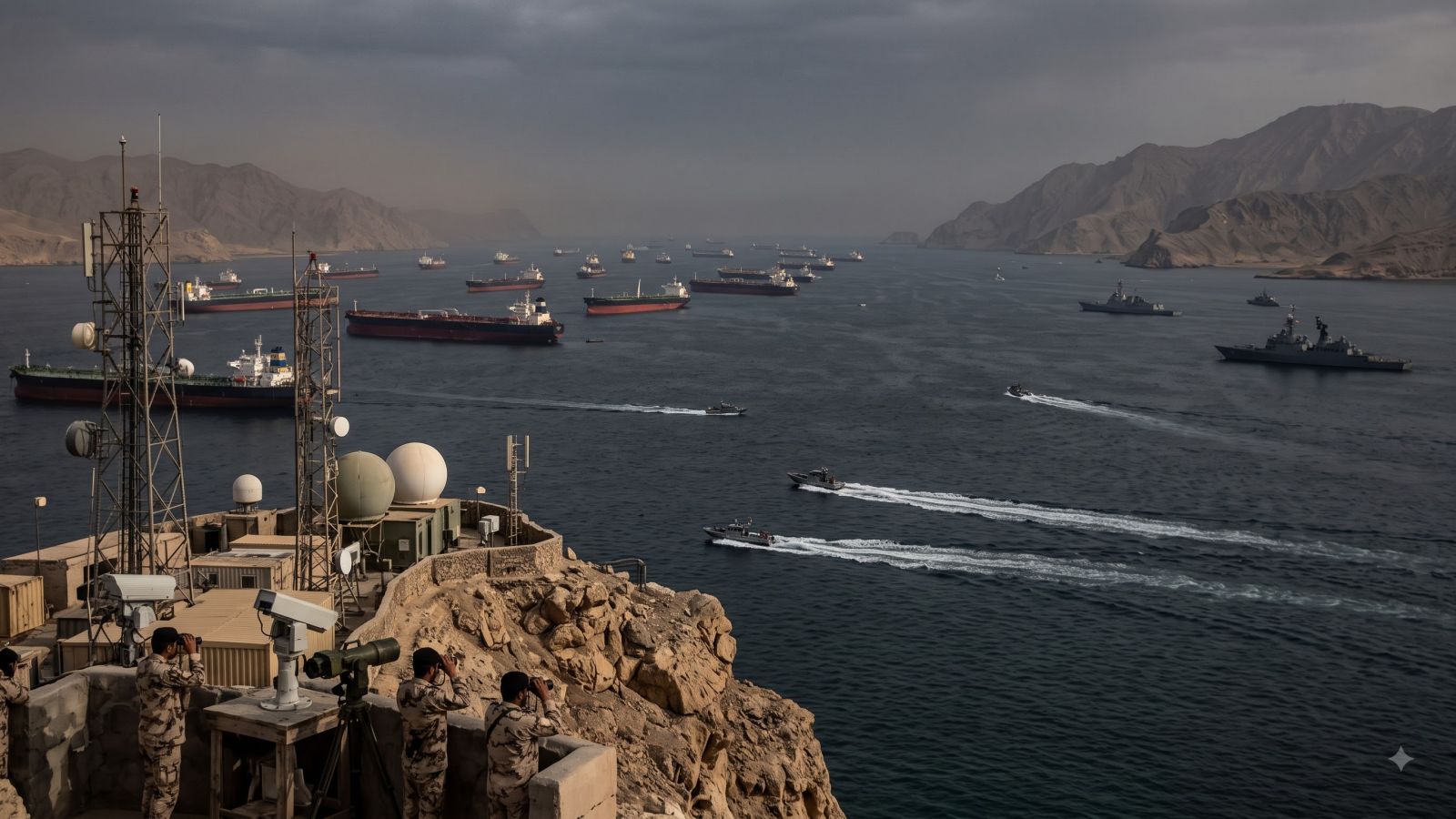
The strait matters well beyond the region. It normally carries around one-fifth of global oil consumption. Tehran has restricted shipping through it since the war began.
The blockade would remain until Iran's conditions were met, Mohsen Rezaei, head of Iran's supreme national security council, said. Ships using a reopened route would follow a course agreed by Iran and Oman.
everyone passing through this waterway will do so under Iranian management
Khamenei's warning and military readiness
US-Israeli strikes on Iran began the war on 28 February. Iran swiftly responded with attacks on American assets across the region.
Iran's supreme leader, Mojtaba Khamenei, has warned the United States and Israel that any new attack would meet a response of a very different kind.
Any level or type of threat must be met with an immediate, impactful and geographically unrestricted response
Khamenei also ordered commanders to revise the target list. It would cover American-Zionist enemy property and resources, both physical and nonphysical.
Saturday's meeting with the top military brass was the first reported session of its kind between Khamenei and the military leadership. He hasn't been seen in public since before he took the helm in March, after his father, Ayatollah Ali Khamenei, was killed in US-Israeli strikes.
Iran would decide when and how any new war ends, Khamenei said. If enemies resume attacks, the armed forces and the Iranian nation would set the terms for ending them.
Iranian state media reported that IRGC commander Major General Ahmad Vahidi briefed the supreme leader on military readiness, saying weapons production in Iran had risen seven-fold.
Khamenei said Iranian forces were prepared for action on the Gulf coast, near the Strait of Hormuz, in the Gulf of Oman, and along the country's northwestern and southeastern frontiers.
The threats probably aimed to discourage the United States and Israel from attacking Iran, the Institute for the Study of War assessed.
Rezaei said no decision had been made to alter Iran's nuclear doctrine, though some Iranians have wondered whether it should be reconsidered if Iran comes under attack again.
The Vance letter and the competing accounts
US Vice President JD Vance sent Rezaei a letter reiterating that further talks would depend on Iran making substantial concessions over its nuclear programme.
The letter may also have offered medical or humanitarian assistance. That detail is based on comments by Trump, who approved the outreach.
Rezaei said he had read the letter without responding, and described the shift in tone as a good sign.
I haven't yet responded. Their tone has completely changed
Sources differ on who ordered the letter.
| Source | What it says |
|---|---|
| Wall Street Journal | Vance sent the letter at Trump's direction, to try to revive negotiations and avert further US strikes |
| Trump | He did not direct Vance to send the letter |
Trump told a reporter he had not instructed Vance to send the letter, but had told him he could send medical supplies to Iran if he wished.
No. Iran needs help with medical supplies. Basically, it's getting supplies in to help people that are not well.
Talks, strikes and what remains open
Araghchi said there're currently no plans for meetings with US officials.
Iran's conditions are clear, and consultations regarding them are ongoing among mediators
A decision on whether talks are direct or indirect will follow once Washington accepts Iran's conditions.
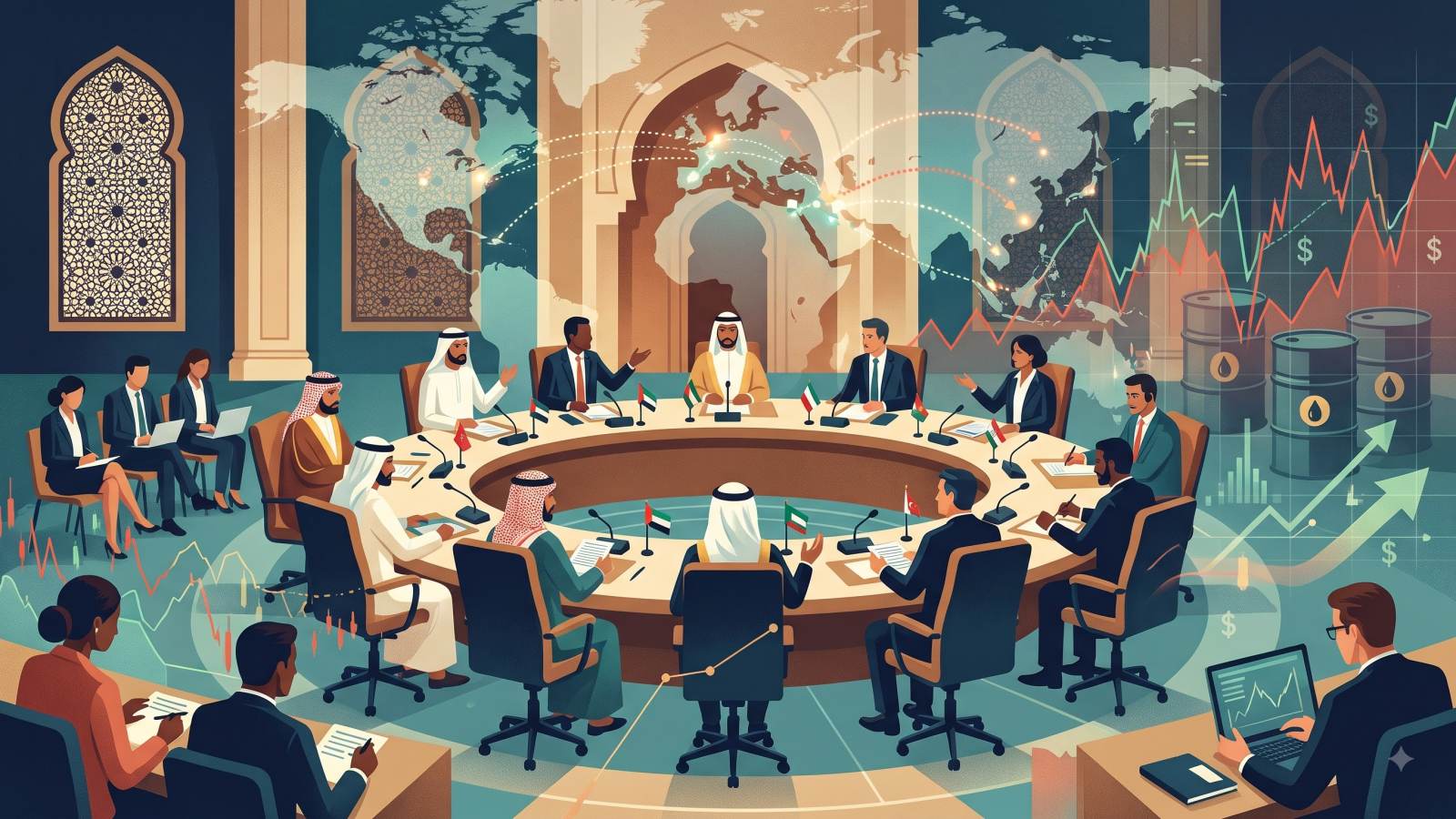
Qatari mediators landed in Tehran on Friday. There, Qatari negotiators have been in marathon talks over the US proposal.
Araghchi said Iranian diplomats were also in Qatar, after a Qatari delegation had mediated discussions in Tehran over the last few days.
Saturday's talks with the Qatari mediators followed more than 12 hours of discussions the previous day, a source with information on the matter said.
Marco Rubio, the US Secretary of State, said on Saturday that the United States would consider diplomacy if a route existed, while retaining the option of meeting its military goals.
Rubio said Trump hadn't decided whether to launch any new strikes. Trump has indicated that further military action could follow the midterms.
Trump said Iran's missile arsenal had been reduced and that electricity shortages were hampering its drone production.
Iran will never, ever have a nuclear weapon
Israeli Prime Minister Benjamin Netanyahu described the moment as a rare chance to bring down Iran's government. In Israel's vote, his political camp won more parliamentary seats than any other camp, but didn't secure a majority.
The blockade has caused a spike in global energy prices, making the war unpopular among the US public before Tuesday's midterm congressional elections.
Iranian state television reported on Saturday that a ship struck a mine and caught fire while crossing the strait. Iran's Revolutionary Guards said three oil tankers were stopped after incidents or mines on Friday. Both reports are Iranian claims, and haven't been verified.
What we know
- Vance sent a letter to Mohsen Rezaei.
- Rezaei said he read the letter and has not yet responded.
- Araghchi said there are currently no plans for meetings with US officials.
- Qatari mediators landed in Tehran on Friday.
Still unclear
- Whether the US will launch fresh strikes on Iran after the midterms.
- Whether Iran accepts the proposal in Vance's letter, and whether talks would be direct or indirect.
- Whether the Qatar- and Pakistan-mediated talks will produce a lasting agreement.
- The make-up of Israel's next government, since no new government has been formed after the vote.
The next dated step is the US midterm elections, on 3 November.