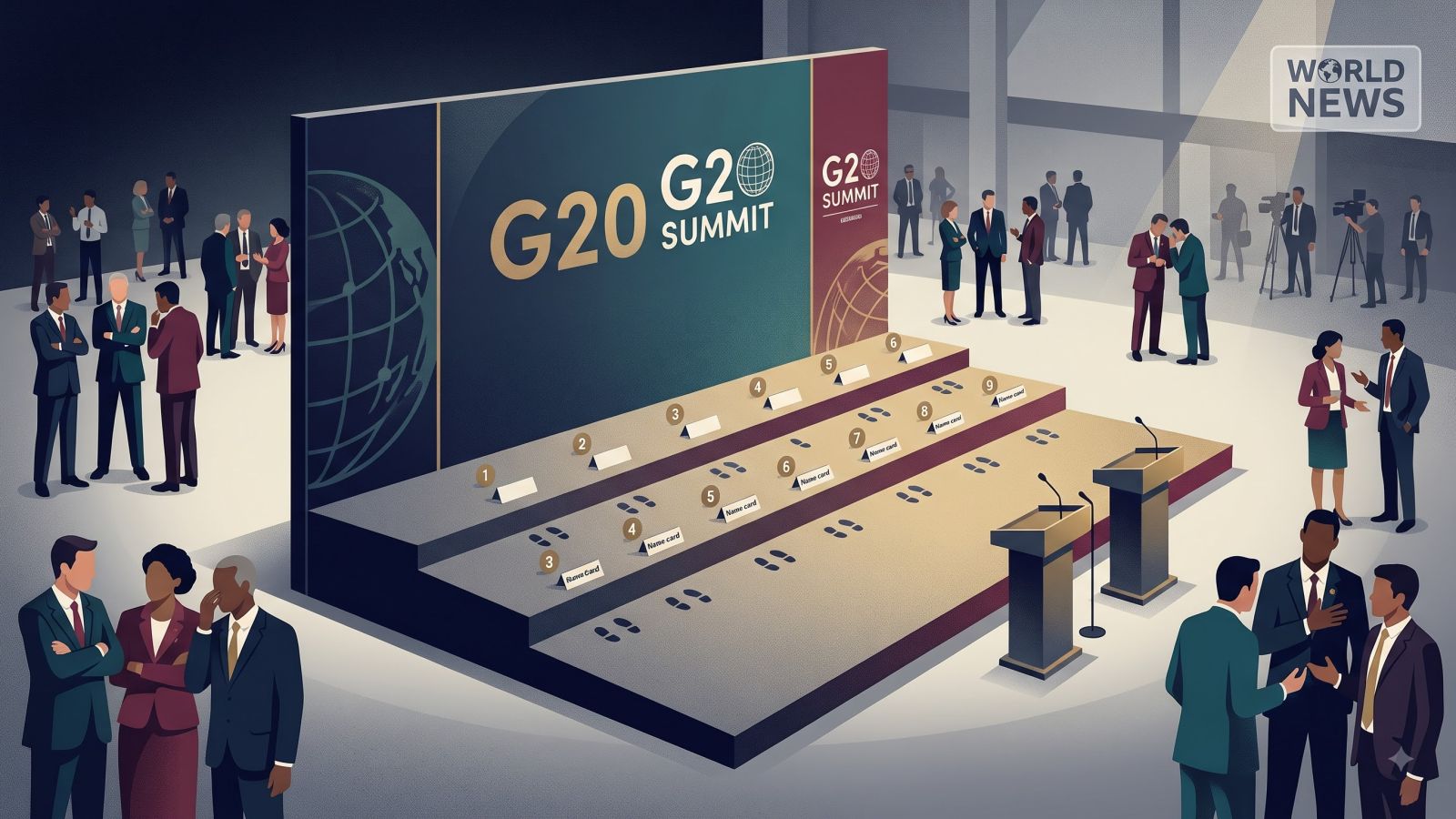
The G20 foreign ministers' traditional group photo was scrapped in Atlanta after Western nations refused to appear beside Russian Foreign Minister Sergey Lavrov, exposing fractures at talks meant to address global crises.
After roughly one-third of the countries at the talks refused to stand with Russian delegates, US Secretary of State Marco Rubio scrapped the photo.
Western nations refuse to stand with Russia
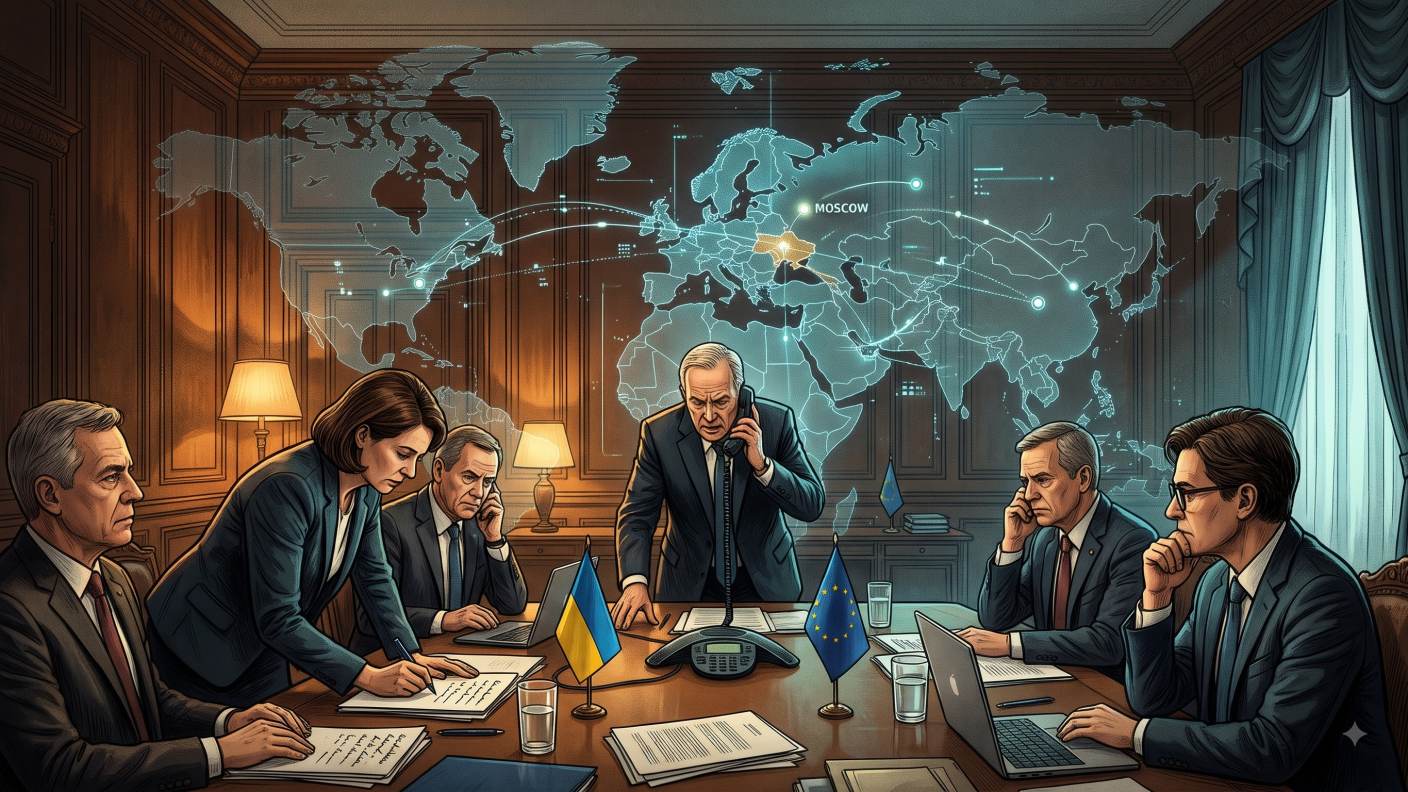
European Union countries signaled they would not take part in a photograph alongside Russian representatives. Ahead of Friday's session, Germany's foreign affairs minister, Johann Wadephul, said: "In no case will there be a family photo with European partners and Mr Lavrov together because … there is no normality with Russia,"
Since the invasion of Ukraine, the UK has maintained a longstanding policy of non-engagement with Russian ministers. UK foreign secretary Ed Miliband said the UK doesn't engage in that way with the Russians and hasn't for a number of years.
Australia's foreign affairs minister, Penny Wong, spoke directly in front of Lavrov during the opening session, denouncing Russia's invasion of Ukraine as brutal and unjustified. Wong's spokesperson said the country backed the US move to call off the group photo.
Representing Poland as a guest at a G20 meeting for the first time, Polish Deputy Prime Minister and Foreign Minister Radosław Sikorski backed the cancellation. "The right decision," Sikorski said of the US move. He added: "I am not the only one who does not want to be photographed with Lavrov." Poland, not a G20 member, is seeking formal membership with US support.
Disputed invitations signal deeper tensions
Despite having been invited to previous meetings as a nonmember of the G20, Ukraine was left off this year's invitation list. US officials said the decision to exclude Ukraine was deliberate, with invitations limited to formal members of the group.
South Africa, the G20's only African member and one of the countries that helped establish the group, was left off the invitation list. Phindile Kunene, who speaks for South Africa's international relations minister, said: "We have consistently maintained that our nonparticipation is not voluntary."
Participants described the opening session as cordial, while noting that Russia remained firm on Ukraine and opposed Poland joining the G20. They said disputes, including the Trump administration's choice to exclude South Africa despite objections from other members, would likely keep foreign ministers from issuing a joint communique when the meetings end on Saturday.
To avoid a diplomatic clash and keep attention on the summit's planned agenda, organizers removed the photo. A US official said several delegations had indicated they would stay away, prompting Washington to abandon the photo opportunity before it became a diplomatic distraction.
Lavrov attends despite bipartisan objections
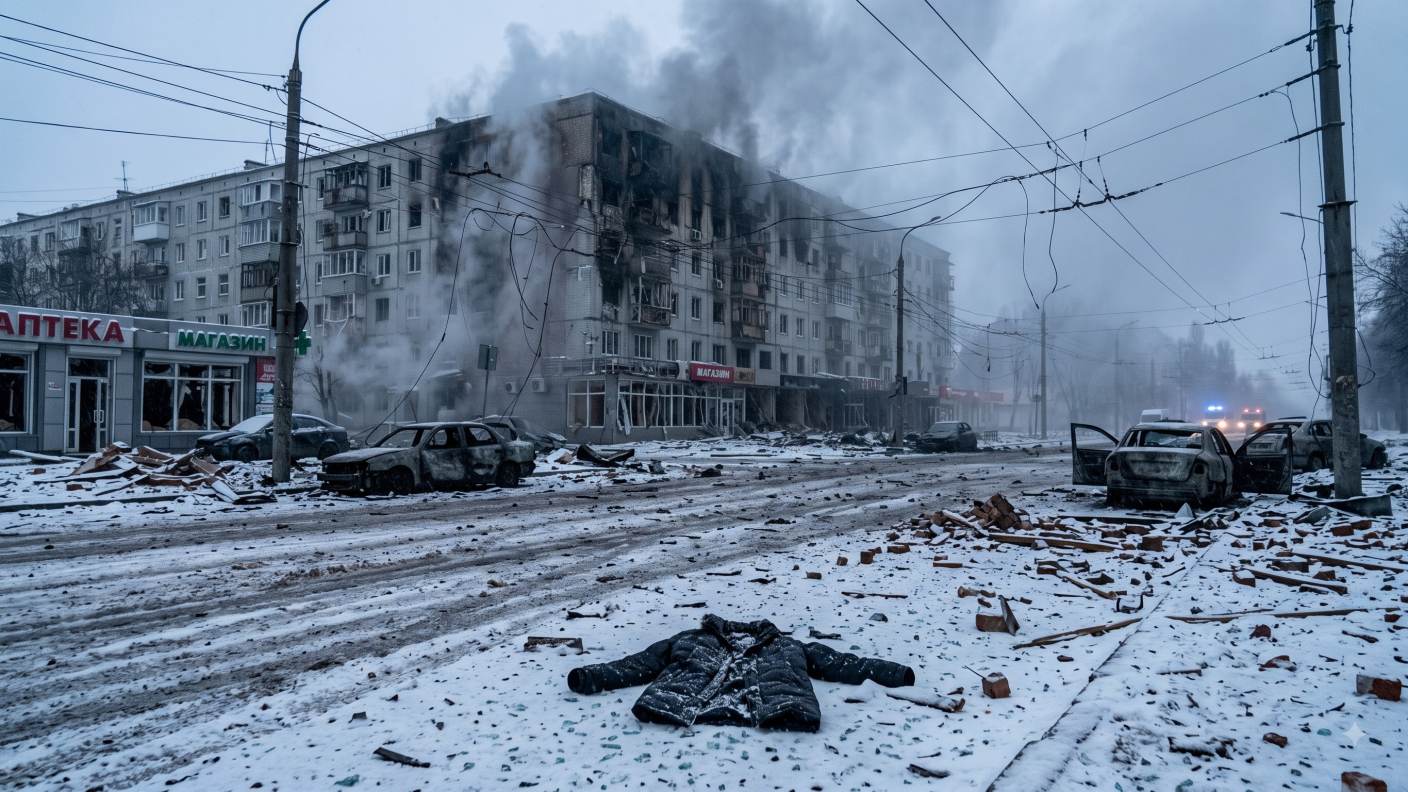
Lavrov was present at the Atlanta meeting despite objections by several US and European lawmakers. US sanctions have applied to him since Russia launched its full-scale invasion in 2022. Republican Rep. Don Bacon said: "Lavrov should not be allowed in the country. As long as [Russian President Vladimir] Putin is waging war against Ukraine and bombing cities, Russian leaders should not be welcomed in any of these forums. They lead a pariah state."
Alongside 13 bipartisan senators, Senate Foreign Relations Committee ranking Democrat Jeanne Shaheen urged that Putin and other Russian officials under sanctions be kept out of G20 events on US soil. "Donald Trump needs to wake up," Shaheen said. "He needs to understand that courting favor with Vladimir Putin is not good for America."
At an early September gathering of G20 finance ministers, several attendees declined to be photographed with Russian Finance Minister Anton Siluanov. The group later took pictures without him.
Tensions run deep across multiple fronts
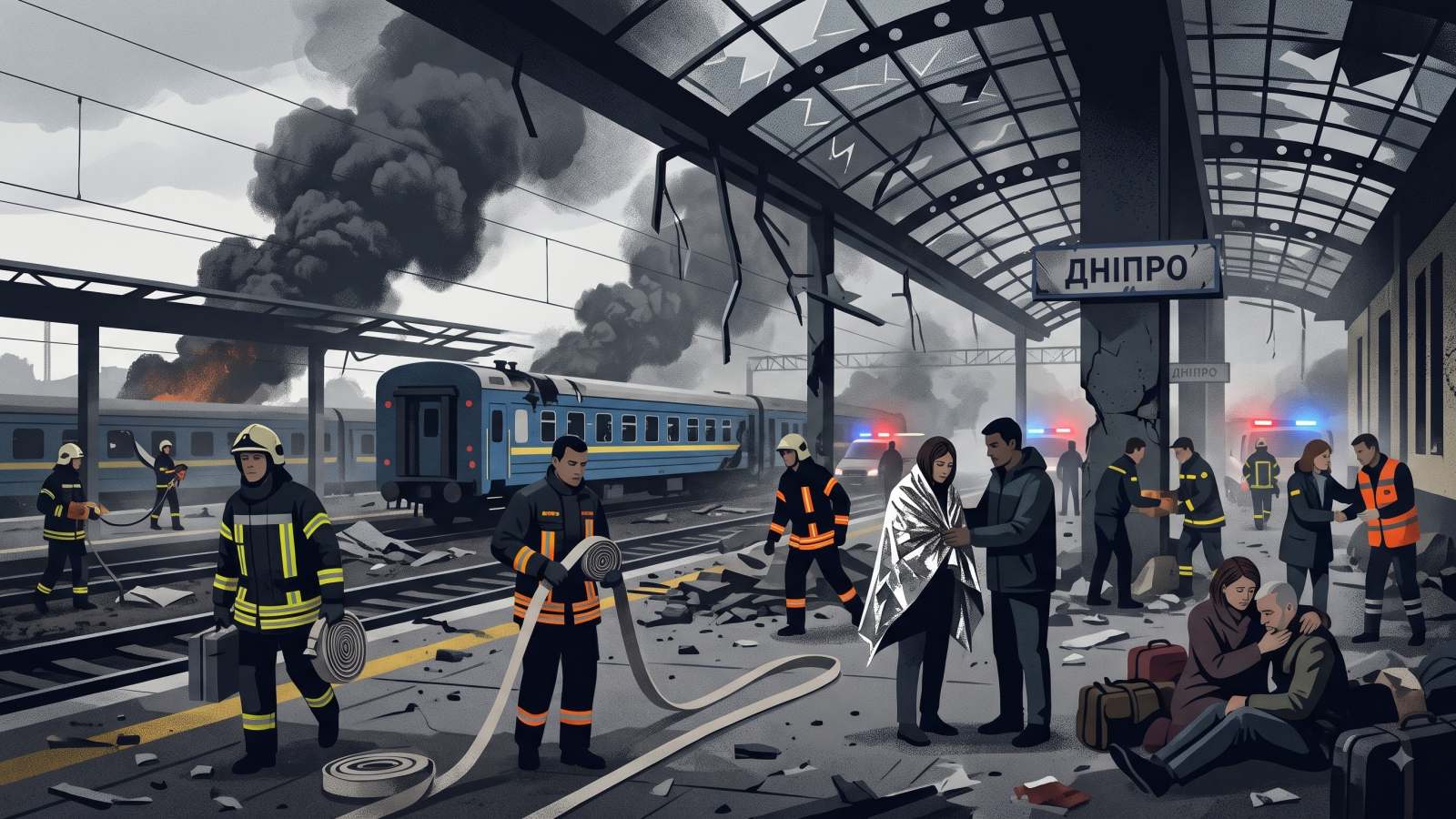
The decision to cancel the photo underscored divisions within the G20, where diplomats must tackle the Ukraine war, the US-Israeli war against Iran, US tariffs and South China Sea disputes. Tensions have risen since Trump waived new sanctions on Moscow and briefly curtailed logistical and intelligence support for Kyiv, putting further strain on US-Ukraine relations.
US Secretary of State Rubio acknowledged the scale of the challenge. "We are facing a series of interconnected economic and geopolitical crises," he said.
Several participants said they had agreed to work past their differences and help ensure next month's G20 leaders' summit in Florida, hosted by President Donald Trump, succeeds. They spoke anonymously, saying they couldn't comment on the closed-door discussions.
December summit looms amid uncertainty
- 30-31 OctForeign ministers' meeting
G20 foreign ministers gather in Atlanta; family photo canceled.
- NovemberTrilateral talks
US preparing talks involving Ukraine and Russia in Abu Dhabi; Europe not expected to attend.
- DecemberLeaders' summit
G20 leaders meet at Trump's Miami golf club. Putin invited but Kremlin has not confirmed attendance.
In December, President Donald Trump is set to hold the G20 leaders' summit at his Miami golf club. Vladimir Putin has been invited to the leaders' summit, but the Kremlin hasn't confirmed his attendance.
Washington plans to bring the US, Ukraine and Russia together for trilateral discussions in Abu Dhabi, expected in November. European representatives are not expected to take part.