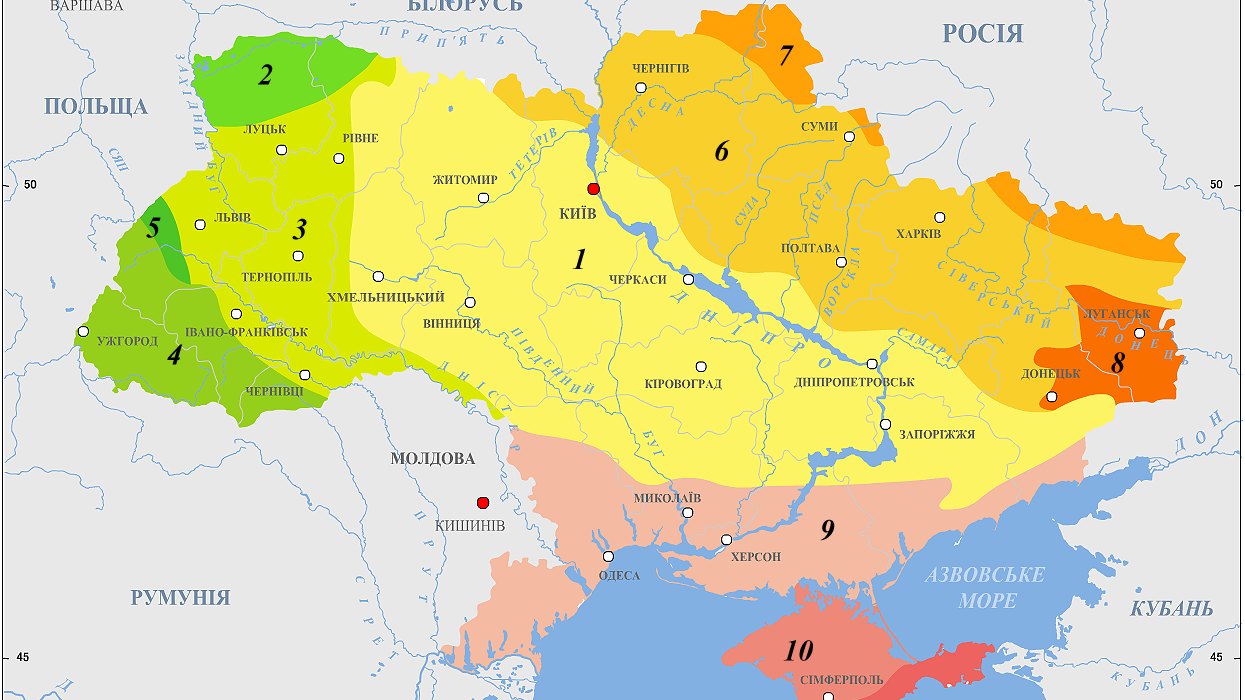
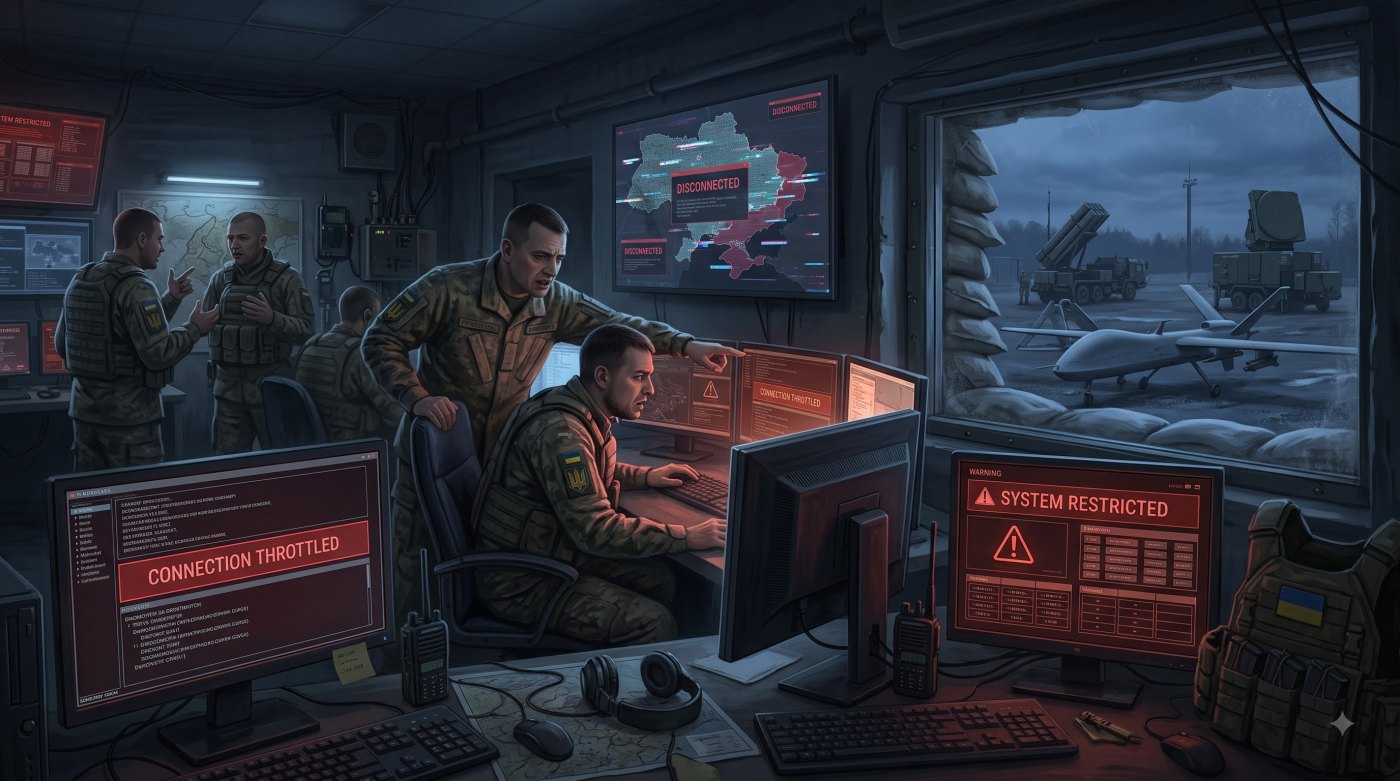
Ukraine says newly imposed speed restrictions disrupted military terminals, drone missions and air defences without advance warning.
The dispute matters because Ukrainian forces use satellite connectivity for interception, reconnaissance, logistics and communications relay during Russian attacks. The operational disruption is being reported, but responsibility for the restriction and control of the affected terminals remains contested.
- 14 OctoberRestrictions reported
Sources said restrictions were imposed overnight on Starshield terminals used by Ukraine’s defence forces.
- TuesdayConnections fail
Ukrainian officials reported that terminals moving above about 160 km/h stopped working.
- WednesdayRestoration claimed
Mykhailo Fedorov said connectivity at speeds up to 160 km/h was being restored.
- WednesdayInvestigation continues
Ukraine’s Defense Ministry said it was contacting partners, collecting unit reports and activating backup channels.
Ukrainian officials said SpaceX imposed the restriction on Starshield without advance notice, disrupting military operations and weakening efforts to protect civilians during intense Russian attacks this week.
On Wednesday, officials in Ukraine said Elon Musk’s SpaceX had limited Starlink services described as “military-grade”. The restrictions hampered drone strike missions and air defences.
The reported limit concerned terminals in motion. Systems stopped working when they travelled faster than 100 miles per hour, or about 160 kilometers per hour. Terminals used by the Armed Forces of Ukraine to connect to the StarShield military communications system failed above 160 km/h, Serhiy Beskrestnov, an adviser to Ukrainian President Volodymyr Zelensky, said.
Beskrestnov said the Ukrainian military received no advance warning. Kyiv Post sources gave a less uniform account of the failure point, saying units lost connections at speeds ranging from approximately 72 to 161 km/h.
The restrictions affected more than movement. Sources said they hampered interceptor and medium-range strike drone missions and reduced frontline capabilities for logistics, reconnaissance and communications relay.
Beskrestnov and Serhiy Sternenko, a former deputy defence minister, said several operations that Ukraine’s armed forces planned against Russia were disrupted.
removing Starshield's speed limit entirely is now critical for Ukraine's defense.
Fedorov said on Wednesday that restoration was under way for Starlink connectivity at speeds of up to 160 km/h, while whether the reported limit had been fully removed remained unclear.
Zelenskyy gave a separate account of the disruption when speaking to Piers Morgan. He said the connection was cut in the middle of the night and affected drones used to intercept Russian attacks.
Starlink was switched off.
“Often when we destroy jet shaheeds, we use drones with Starlinks,” Zelenskyy said, adding that the restrictions had prevented Ukraine from intercepting some Russian drones and contributed to civilian deaths.
It's not about attack. It's also about defending the lives… People were killed because not enough destroying, not enough interceptors, including interceptors with Starlink, which didn't work.
The connectivity problems appeared after two Russian missile strikes on Kyiv earlier in the week. Zelenskyy said allied intelligence agencies had not warned him about the strikes in advance, while POLITICO reported that poor weather had caused technical problems that prevented Kyiv’s allies from passing on the warning.
The timing placed the satellite dispute alongside wider strain in relations between Kyiv and Washington. Zelenskyy and Donald Trump have both separately said US military intelligence continues to reach Ukraine.
Katie Zacharia, the president’s new press secretary, was asked about intelligence sharing at her first press briefing in Washington on Tuesday. She replied that she would “have to get back to you on that”. Andrii Sybiha, Ukraine’s foreign minister, later said intelligence sharing with the United States was continuing despite tensions. He said the satellite restriction under investigation had not arisen when he spoke at the Warsaw Security Forum.
Zelenskyy criticised the absence of advance notice about the restriction and linked the issue to Ukraine’s reliance on the United States as a strategic partner.
They knew what they did,
Beskrestnov suggested that the restriction was connected to current political tensions between Kyiv and Washington. Defense Ministry sources did not confirm that assessment and said the cause remained under investigation.
Musk disputed Ukraine’s account of who controlled the affected service. He said Starshield systems were owned and controlled by Washington, with the US military and ultimately the president deciding any limits on their use.
Starshield systems are owned and controlled by the US government,

Musk said Starlink was different. In his account, SpaceX owned and controlled the commercial service, whose use was restricted to civilian or defensive purposes.
Starlink is a commercial service owned and controlled by SpaceX. Usage of Starlink is limited to civilian or defensive activities and cannot be used for offensive military action, as doing so would be inappropriate for a commercial company.
The dispute over control
Ukraine’s account
Reported overnight restriction
- SpaceX imposed the restriction without advance warning
- Military operations and air defences were disrupted
- The cause and political link remain under investigation
Musk’s account
Government-controlled Starshield
- Starshield is owned and controlled by the US government
- The US military or president decides limits
- Commercial Starlink is limited to civilian or defensive use
The distinction between the two services is central because it is not clear which Ukrainian terminals operate through commercial Starlink and which were provided through Starshield. Ukraine’s Defense Ministry has not established why the restrictions were imposed or whether the White House or Pentagon authorised them.
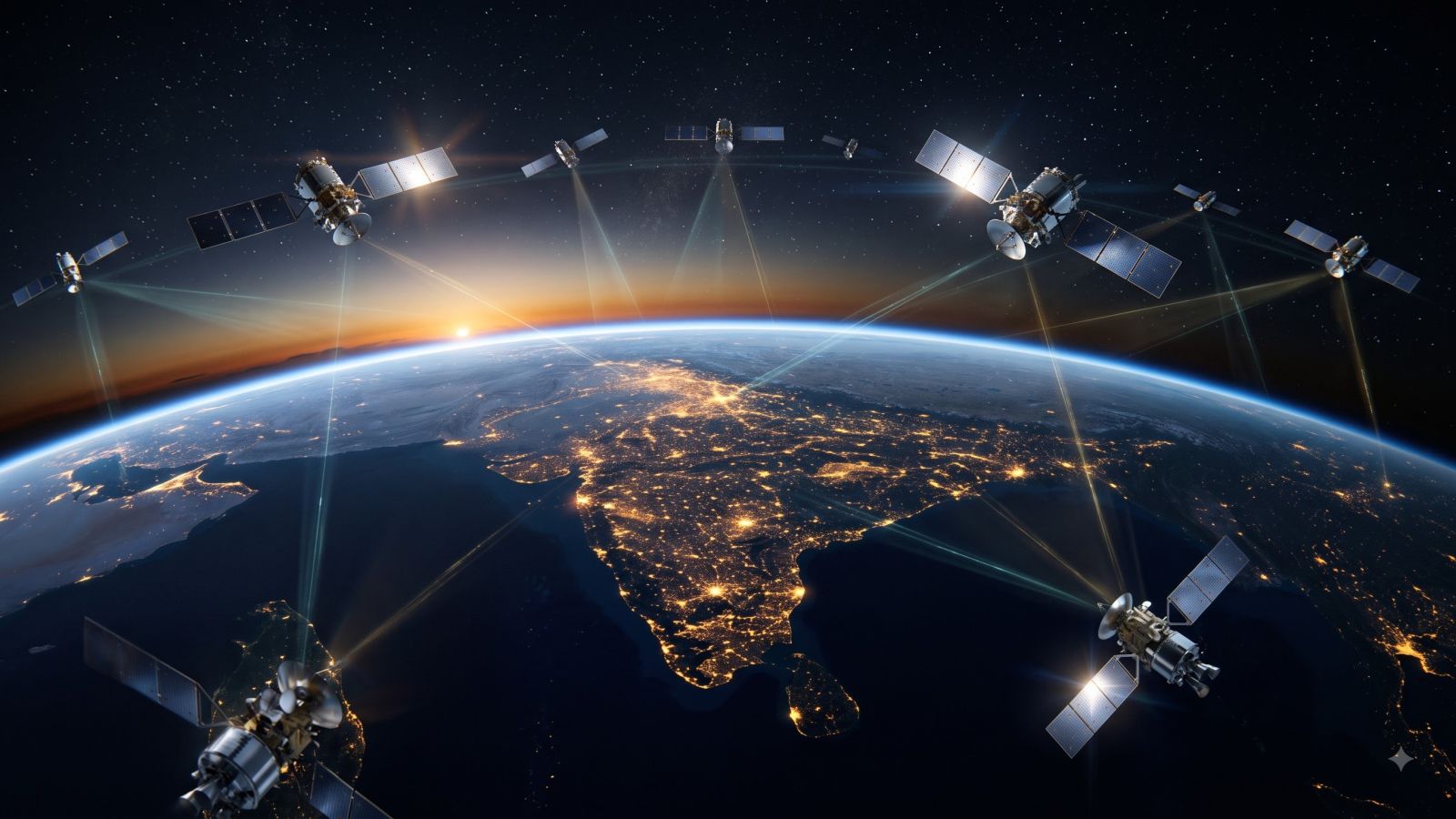
SpaceX describes Starshield as a satellite network for government and national security use that builds on Starlink technology. Its business unit develops military and intelligence satellite systems for the Pentagon.
The company says Starshield covers Earth observation, secure global communications for government users and “hosted payloads”. That last term refers to specialised equipment placed aboard satellites for customers.
Starlink serves consumers and businesses. Starshield adds security features, including high-assurance cryptographic capability intended to handle classified information. It uses stronger encryption and specialised terminals, but still relies on Starlink’s wider satellite network.
That shared network makes the boundary between the services consequential. Britain’s defence ministry has said Starshield uses Starlink’s satellite constellation, ground stations and terrestrial infrastructure, while relying on dedicated terminals and separate network gateways. New Zealand is testing Starshield for military operations.
SpaceX said it had received over $6 billion in multi-year US government contracts for Starshield. The Pentagon is its largest customer and has spent billions of dollars on Starlink and Starshield services, including dedicated satellites for missile-warning missions and a spy constellation serving the National Reconnaissance Office.
The commercial network has more than 11,000 satellites and roughly 13 million subscribers. They include households and hikers, shipping companies and major airlines. SpaceX says Starlink serves over 160 countries, territories and other markets, with residential plans starting at $55 per month and download speeds exceeding 400 megabits per second in most locations.
Questions have remained about how Starlink and Starshield are connected since Russia threatened Western satellites supporting Ukraine in 2022. SpaceX introduced Starshield later that year.
A newer disagreement has emerged. During the Iran conflict, SpaceX and the Pentagon disputed higher prices for satellite services used by military drones. SpaceX said some Starlink customers, paying roughly $5,000 per terminal, should have used Starshield instead, which it priced at about $25,000 per terminal.
The Ukrainian Defense Ministry said it was contacting the United States, SpaceX and NATO partners while gathering reports from military units, checking backup communications channels and activating them.
The White House and the Pentagon did not immediately reply to a request for comment. Ukraine’s investigation had not established how many terminals, missions or civilian deaths were directly affected.
It also remained unknown whether the reported speed limit had been completely removed, why it was introduced, and whether either the White House or Pentagon authorised it.