Today

Times are shown in IST and UTC

Miscommunication blamed as helicopters collide near Everest

Two AS350 helicopters collided while attempting to land at Pheriche helipad in Nepal on Tuesday, killing a 47-year-old Indian tourist and injuring two others. The crash occurred in uncontrolled airspace where pilots coordinate directly rather than via air traffic control, and appears to be the first mid-air helicopter collision in Nepal's history.

experts reviewing mountain safet
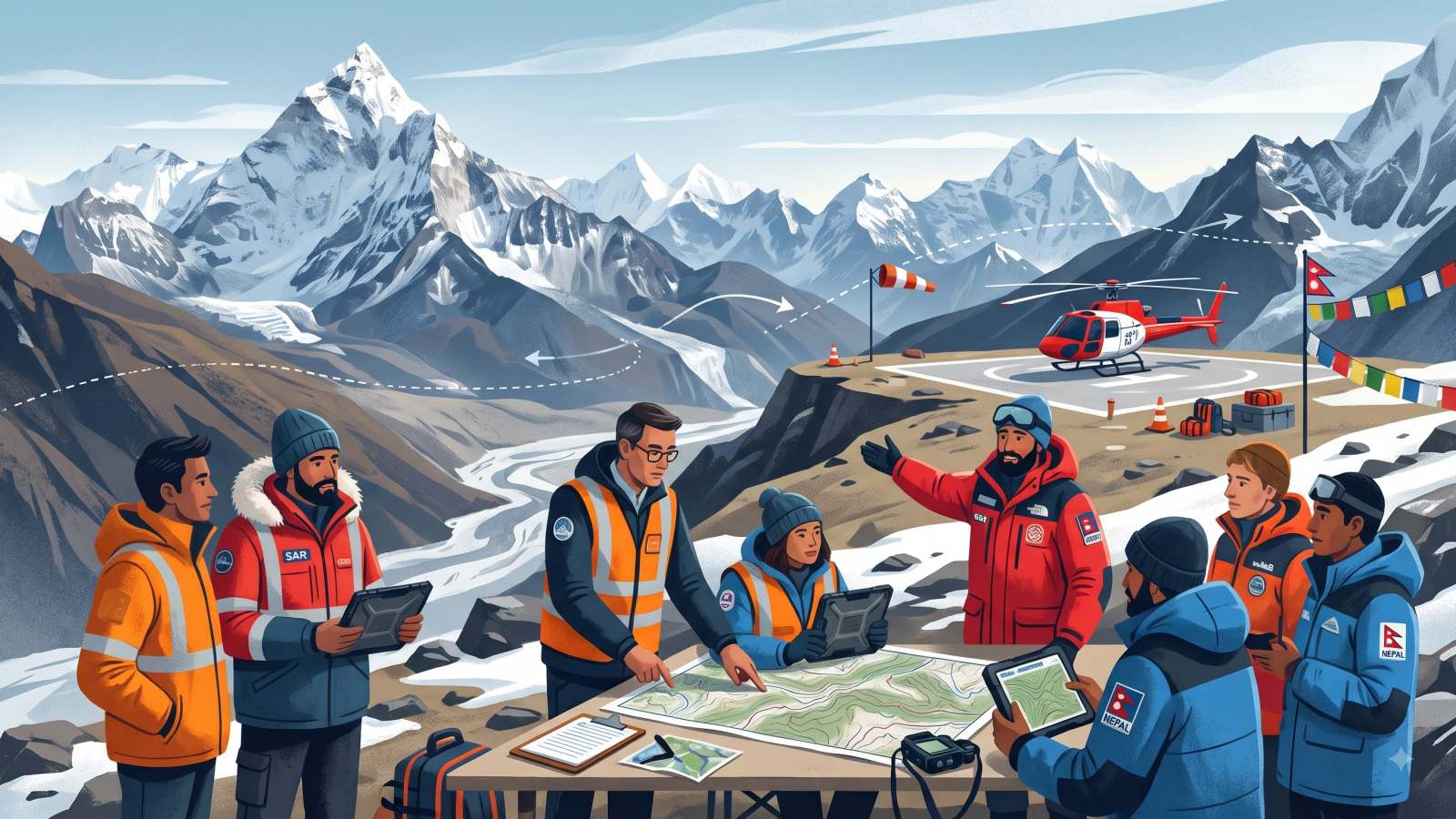
Ai generated : Nano Banana

The short version

  • Two AS350 helicopters collided at Pheriche helipad on 3 November while attempting to land, killing Vasanth Kumar Balaramudu, 47, from Chennai.
  • Officials blamed miscommunication between the pilots; the crash occurred in uncontrolled airspace where pilots coordinate directly with each other.
  • The collision appears to be the first mid-air helicopter collision in Nepal's recorded history.
  • Nepal has recorded at least 22 fatal helicopter crashes since 1966, though this collision is unprecedented.
  • Investigators are recording statements from surviving crew and examining wreckage; the exact cause remains unestablished.

Why it matters: The collision highlights the risks of uncontrolled airspace in one of the world's most dangerous mountain regions, where helicopters are essential for transport but operations are inherently hazardous.

On this page
  1. The short version
  2. Why helicopters are essential in Nepal's mountains
  3. A collision unlike any in Nepal's history
  4. Sources and further reading
  5. Frequently asked questions

Two AS350 helicopters collided while attempting to land at Pheriche helipad in Nepal on 3 November, killing a 47-year-old Indian tourist and injuring two others.

Vasanth Kumar Balaramudu, 47, from Chennai in India, was aboard the Fishtail Air helicopter. The other passenger, Shailesh Krishna Patel, 49, an Indian-origin New Zealand citizen, was airlifted to Nepal Mediciti Hospital in Kathmandu after the collision. Both pilots were treated in Kathmandu after sustaining minor injuries.

Just after 8am, the collision took place at the helipad in Pheriche, along the trekking route to Everest Base Camp in Solukhumbu district, at an elevation of more than 4,200 metres. Air Dynasty Heli Service Pvt Ltd operated one AS350, registration 9N-AOD, which had taken off from Lukla Airport on a cargo flight. The other aircraft, registration 9N-AJR, was operated by Fishtail Air Pvt Ltd and carried two foreign tourists after departing Gorakshep, the final settlement before Everest Base Camp.

It appears the accident happened when two helicopters... attempted to land at the same spot.

Gyanendra BhulCivil Aviation Authority spokesman

Officials pointed to a breakdown in pilot coordination. Mukesh Dangol, Director General of the Civil Aviation Authority of Nepal, said preliminary reports pointed to "miscommunication between the pilots".

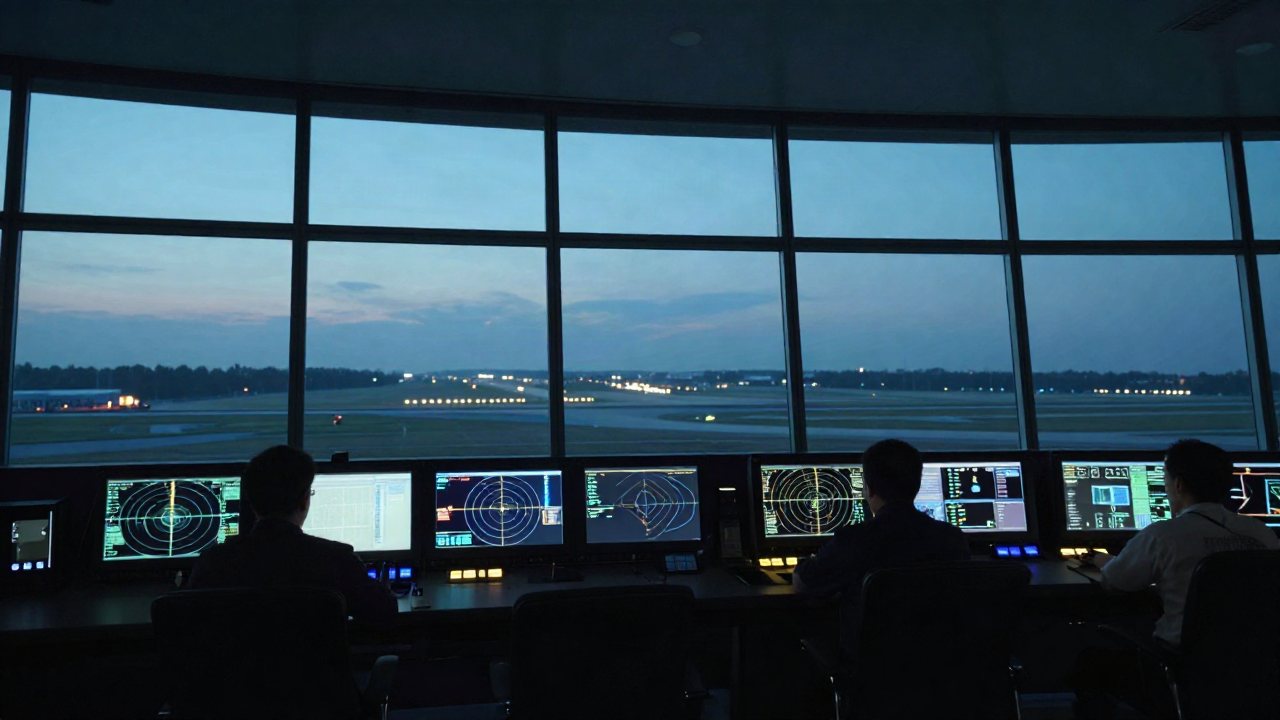
Because the helipad is outside the reach of Lukla Airport's control tower, pilots must coordinate with one another there. Video footage shows clear weather and no visible effects from strong winds. It also appears that one helicopter descended faster than the other.

Context

Why helicopters are essential in Nepal's mountains

Helicopters provide the only quick means of bringing down trekkers and climbers unable to walk, as there are no roads in the area. The Everest Base Camp trek alone takes around two weeks. Climbers come to the region in autumn, and expeditions to Everest and Ama Dablam mountain are now in progress.

Heavy snow had blocked the route during the peak trekking season. Conditions improved on Sunday 1 November, and the crash occurred amid this busy period. Nepal's challenging terrain and rapidly changing mountain weather make aviation operations particularly hazardous.

Safety record

A collision unlike any in Nepal's history

Since 1966, Nepal has recorded at least 22 fatal helicopter crashes. The mid-air collision is thought to be the first involving helicopters in the country's history, but its precise cause remains unknown.

What we know

  • Both aircraft were AS350 helicopters, a light, single-engine type.
  • The collision occurred at Pheriche helipad on 3 November, just after 8am.
  • Pilots had to coordinate directly with each other rather than via air traffic control.

Still unclear

  • The exact cause of the collision has not been established.
  • The total number of passengers on board both helicopters at the time of the crash has not yet been confirmed.

The Civil Aviation Authority of Nepal is recording statements from surviving crew and examining wreckage. Investigators are still verifying passenger lists for both flights.


Sources and further reading

  1. Tourist dies as two helicopters collide near Everest in terrifying footage (opens in a new tab) Euroweeklynews
  2. One tourist dead and another injured in Nepal after two helicopters collide on Everest (opens in a new tab) Marca
  3. Indian tourist killed after two helicopters collide near Everest base camp (opens in a new tab) BBC News
  4. Mid-air helicopter collision on Nepal’s Everest kills Indian tourist (opens in a new tab) South China Morning Post
  5. Man killed as helicopters collide in Nepal near Everest (opens in a new tab) RTÉ
  6. Helicopters collide below Mount Everest base camp, killing 1 person and injuring 2 (opens in a new tab) ABC News

This article was prepared by the GlobePrism editorial team from the public reporting linked above. How we report

Frequently asked questions

What happened to the helicopters near Everest Base Camp?

Two AS350 helicopters collided while attempting to land at Pheriche helipad on 3 November at just after 8am, more than 4,200 metres above sea level. One helicopter operated by Air Dynasty Heli Service was on a cargo flight from Lukla Airport. The other operated by Fishtail Air carried two foreign tourists from Gorakshep.

Why do pilots need to coordinate directly at Pheriche?

The Pheriche helipad sits outside the coverage of Lukla Airport's control tower, so pilots have to coordinate directly with each other rather than being guided in by controllers.

Is this the first mid-air helicopter collision in Nepal?

It is believed to be the first mid-air helicopter collision in Nepal's history. However, at least 22 fatal helicopter crashes have been recorded in Nepal since 1966.

What caused the collision?

The exact cause has not been established. The Civil Aviation Authority of Nepal blamed preliminary miscommunication between the pilots. Video footage shows one helicopter making a more rapid descent than the other, but investigators are still examining wreckage and recording statements from surviving crew.