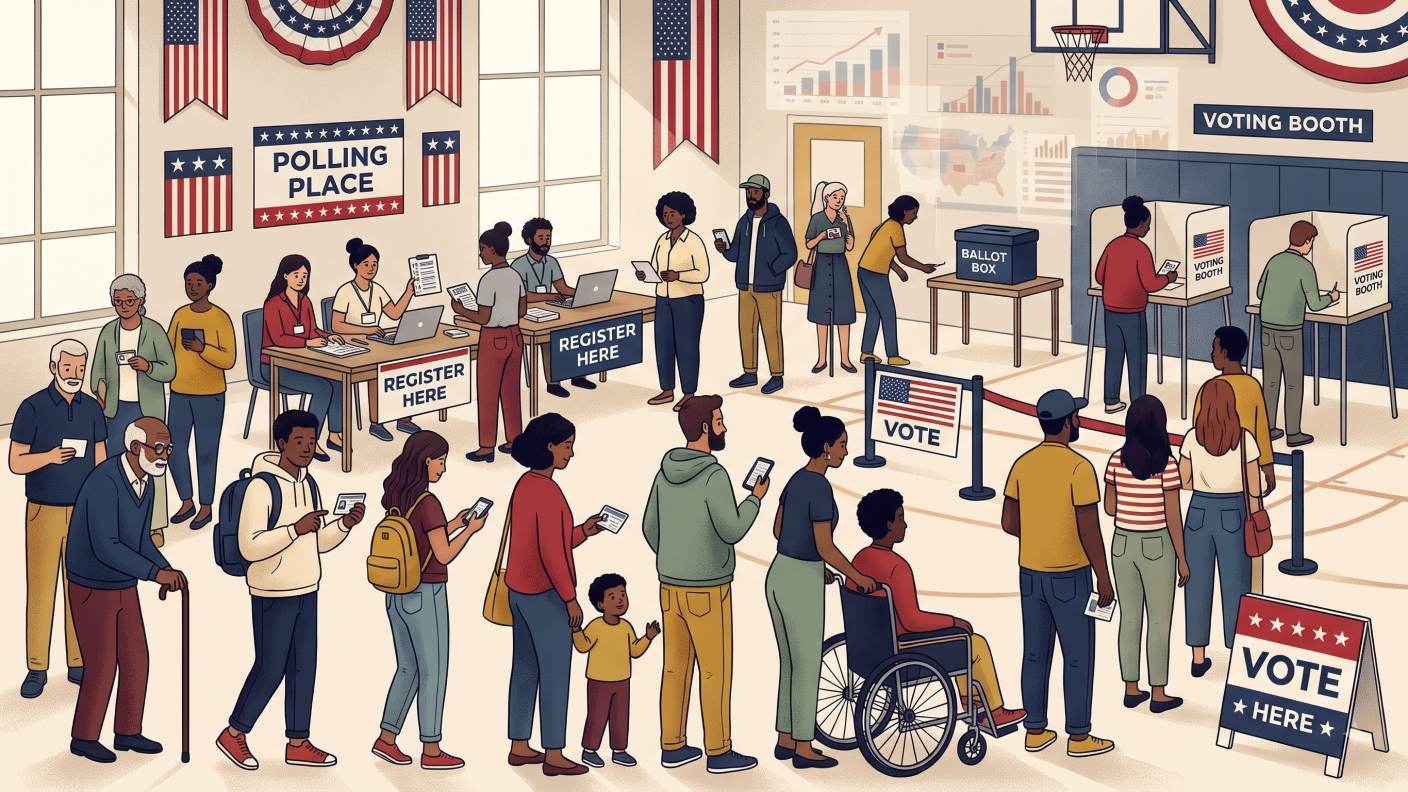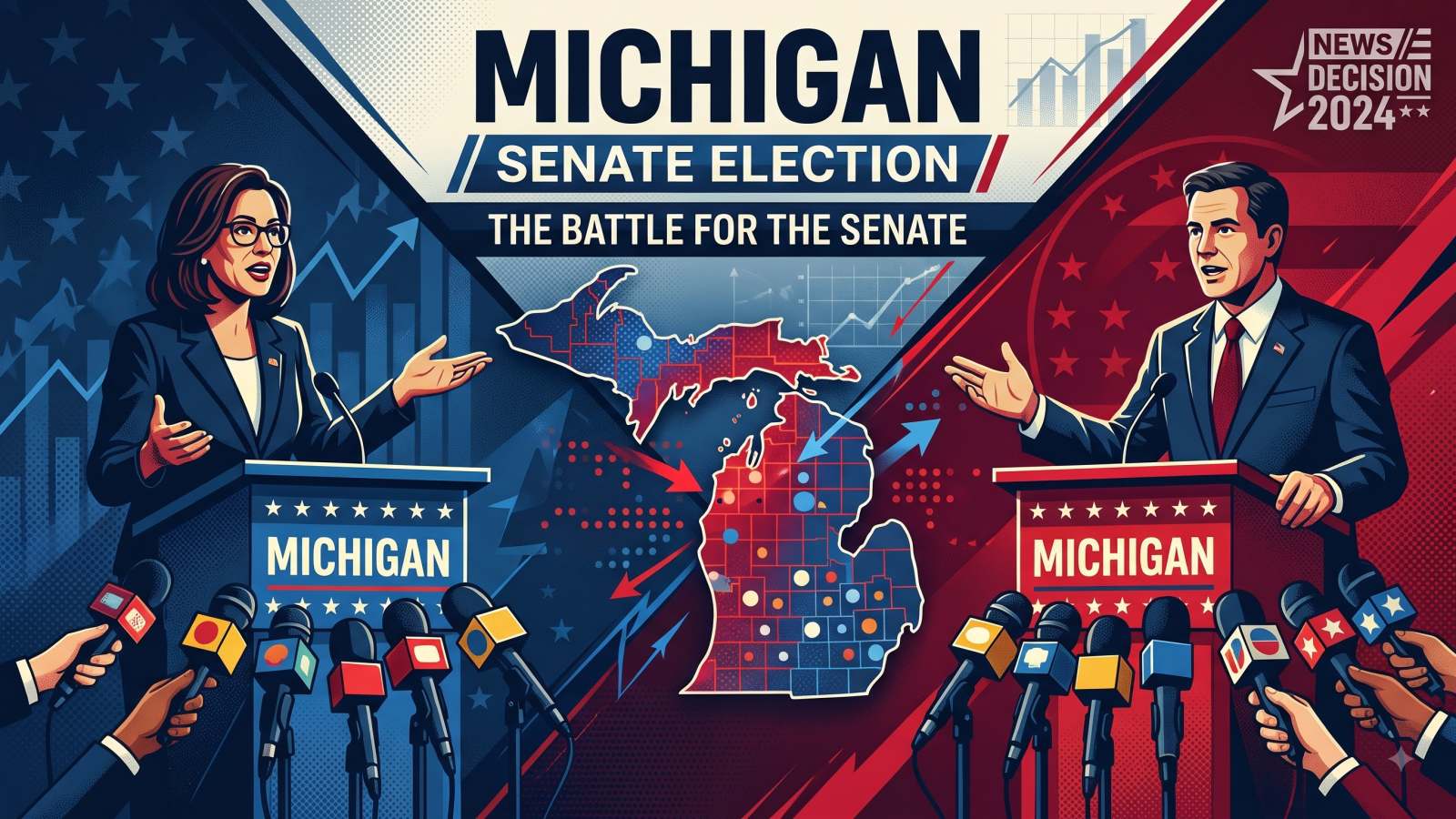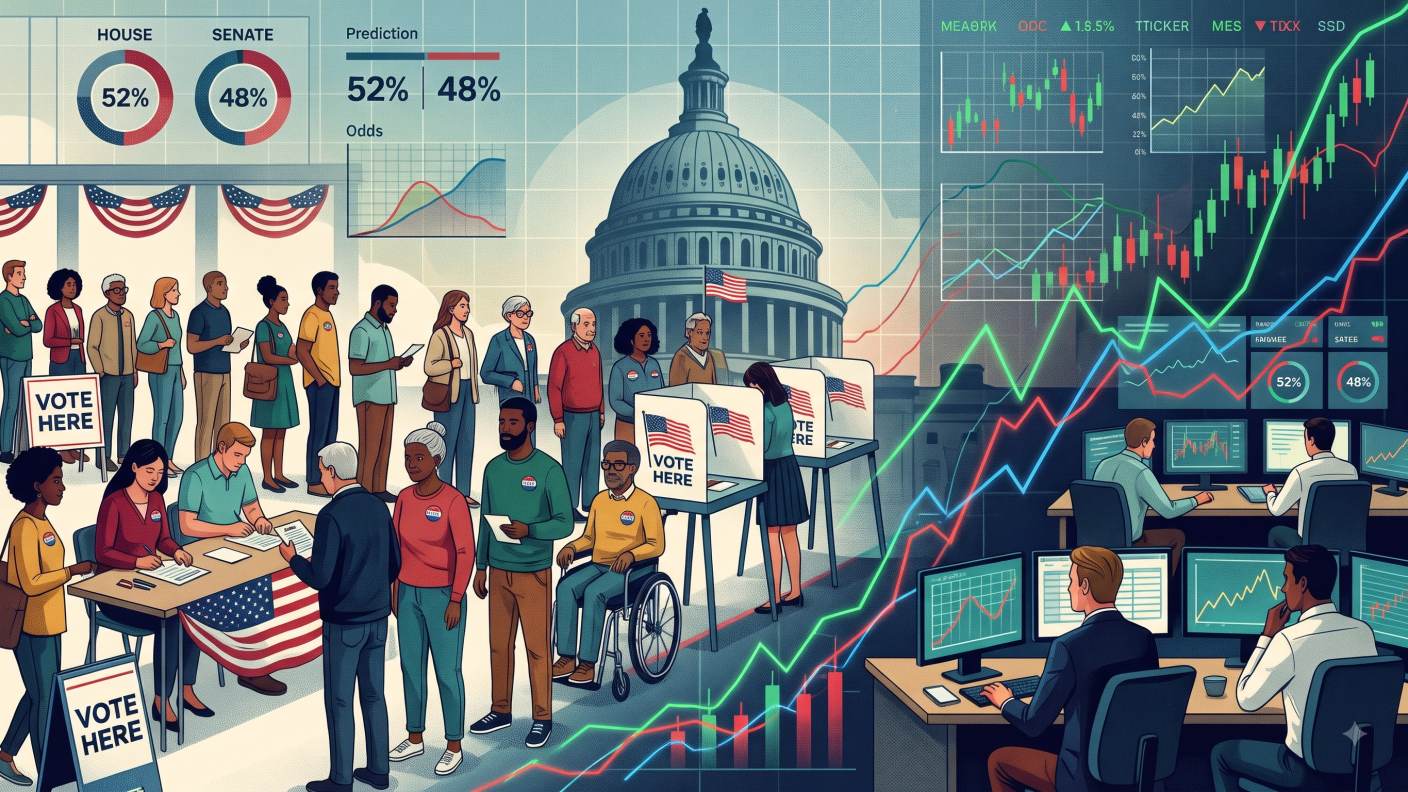
In Tuesday's US midterms, Democrats took control of the House and Senate, marking a defeat of historic scale in modern American politics.
Democrats also won governorships across the country. The midterm elections were held on Tuesday, 3 November 2026.
An NBC News exit poll on Tuesday found that 43% of voters said their ballots were intended to signal opposition to Trump.
Surging inflation, fueled by an unpopular war and a turbulent tariff policy that has severely harmed small businesses, weighed heavily on the midterm outcome by raising costs for US households. US diesel prices reached a record in August, and headline inflation climbed to 3.7%.
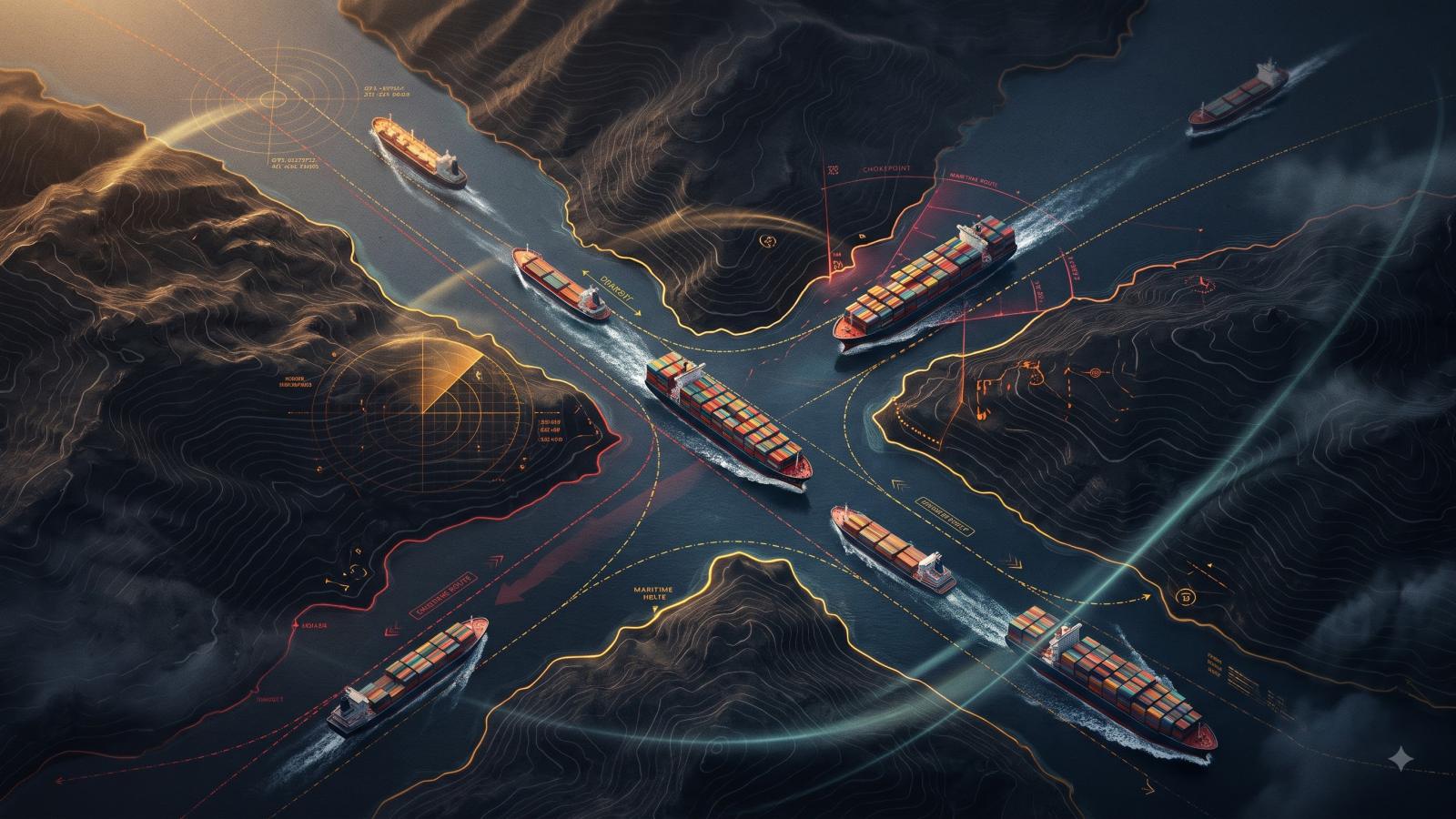
Iran has largely blocked the Strait of Hormuz since the war started on 28 February, though it briefly reopened in June. The Guardian said the US-Israeli invasion of Iran led to the strait’s closure and renewed inflationary pressure worldwide during the modern era’s biggest energy price shock.
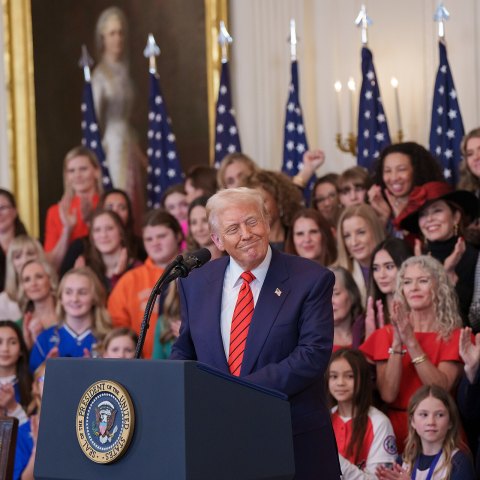
In an interview with The New York Times, Trump said he would 'absolutely' accept the results and was prepared to 'work with the Democrats'.
absolutely willing to accept those results
work with the Democrats
On Truth Social, Trump blamed his absence from the ballot for the loss and said Republicans would have 'won IN A LANDSLIDE!' had he been a candidate.
won IN A LANDSLIDE!
Trump posted an image of a red MAGA hat with the slogan replaced by the word 'VETO'. He told Fox News he would veto all 'insane' legislation from Democrats, adding that after a couple of months of vetoes they would work together.
Trump retains the option to veto legislation; overriding a veto requires agreement from two-thirds of each chamber.
Commentators say Trump is entering the lame-duck phase of his second presidency after the Republican midterm losses, with two years left in his term. His reduced influence in Congress could also weaken his hold over fellow Republicans.
Trump has relied on executive orders to get around legislative gridlock, including his January 2025 declaration of a national emergency to redirect billions of dollars to construction of a physical border barrier.
After Republicans took control of Congress in the 2014 midterms, former US President Barack Obama used executive authority to finalise the Iran Nuclear Deal and normalise diplomatic ties with Cuba. In his last months in office, former President Bill Clinton turned to foreign affairs, convening the Camp David Summit 2000, which eventually collapsed, and safeguarding 58.5 million acres of forestland. Former President Joe Biden became a lame duck after announcing he would not run in 2024; near the end of his term, he granted his son Hunter Biden a broad federal pardon and issued preventative pardons for other family members and staff.
Despite the damaging results for the Republican Party, many issues remain beyond the reach of Congress
The US Constitution grants the president of the United States wide-ranging powers in the area of foreign policy, and it should be anticipated that this is where Trump will spend much of his remaining time in office.
Trump conceded the opposition's win and told Fox News that the Iran war had contributed to his defeat: 'We actually have the greatest economy. But high gasoline costs mean people don't appreciate that as much as they might otherwise, and Iran was responsible for the fuel prices.'
In Texas, scandal-plagued Ken Paxton lost, as did Darlene Graham, sister of the late Senator Lindsey Graham, in South Carolina. Both had been selected by Trump as candidates.
Oil prices retreated on Wednesday, at one point falling 9% and slipping under $100 a barrel for the first time in a month. Brent crude stood near $94, above its prewar price of roughly $70. The International Monetary Fund forecasts global headline inflation at 4.7% this year, with countries that import energy facing the greatest impact.
Higher inflation has led central banks to lift interest rates. The US Federal Reserve raised borrowing costs for the first time since 2023. Investors expect the Fed to raise rates at least once more. The Bank of England is due to decide on a rate rise on Thursday, and the European Central Bank is also expected to increase borrowing costs.
In the US, politicians have to agree to authorise government spending by 11 December to avoid a shutdown.
Last month, the IMF projected US growth of 2.3% this year and next, while noting risks linked to the Iran war and uncertain AI investment. Berenberg analysts said political gridlock, an AI slowdown and Trump's immigration crackdown could weigh on US growth, bringing it to around 1.5% in 2028.
rejected Trump and his somewhat authoritarian penchant for crony capitalism. [That] shows that US institutions and its checks and balances work. That is a positive, in my view.
He will be more a ‘mad dog’ than a ‘lame duck,’
Trump could pursue an even more erratic foreign policy over the next two years, which could result in more trouble for Europe. His decisions on Ukraine and the Middle East will have a significant impact on us.
The elections themselves will not bring down energy prices. What matters is whether the United States and Iran move towards de-escalation,
I don’t see this happening anytime soon given Trump’s chaotic military intervention and [Israel’s Prime Minister] Benjamin Netanyahu’s desperate political position domestically,
A shift in the balance of power does not guarantee a change. Europe must continue to do more for its own defence and security,
Tariffs have significantly worsened market access conditions for European exports to the US. This agreement needs a review,
The respect of the Turnberry deal is of paramount importance,
continues regular contacts
In May, the US announced it would pull 5,000 troops out of Germany. The following month, it began a six-month assessment of its military presence in Europe, expected to conclude around year-end. For 2026, the Pentagon must keep at least 76,000 soldiers in Europe unless it tells Congress that a lower number would not compromise US or NATO security.
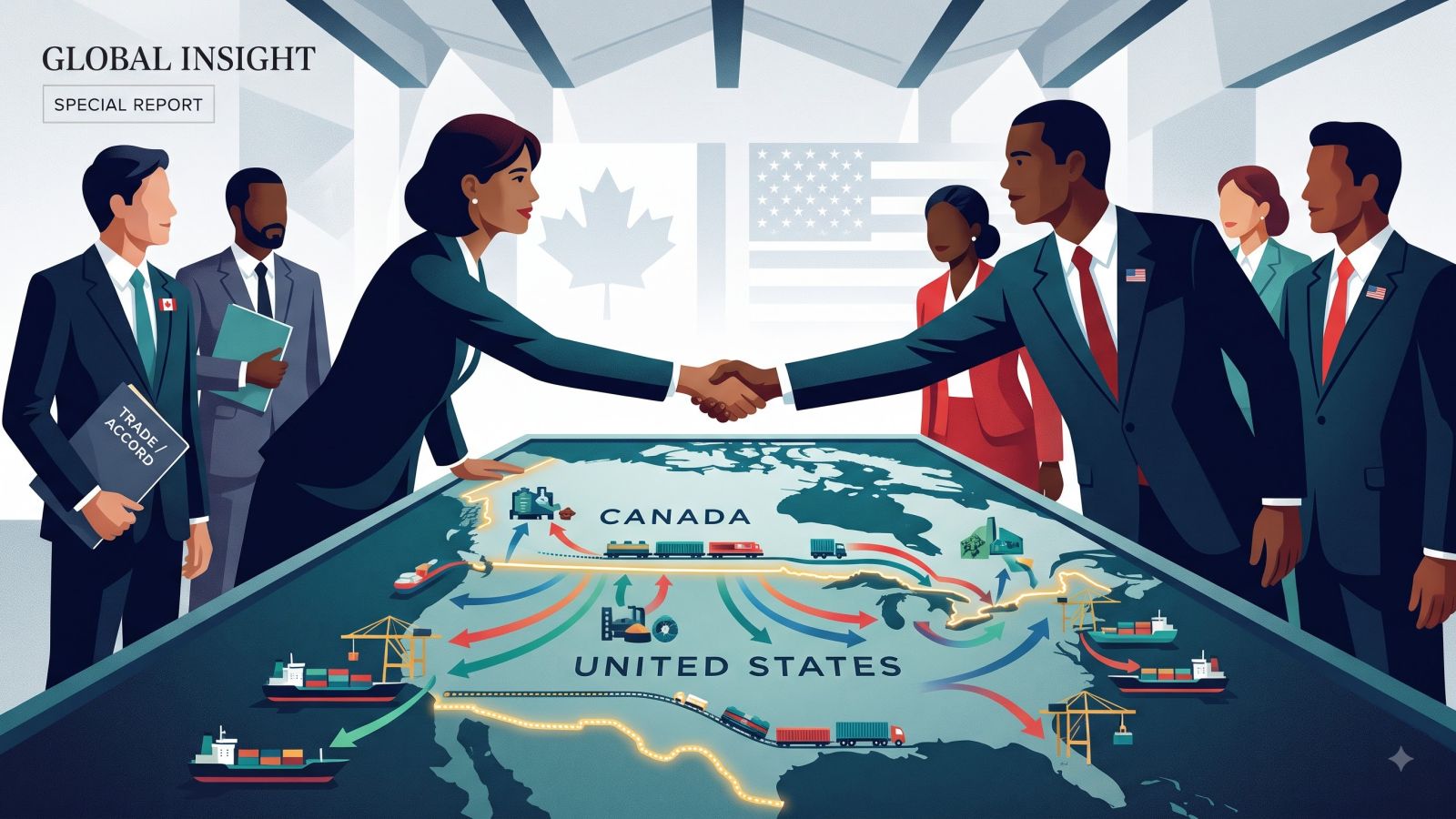
A July 2025 trade agreement between Brussels and Washington puts a 15% US tariff on most EU goods and commits the EU to removing duties on US industrial goods. The EU wants the 15% tariffs waived and is negotiating to lower US tariffs on steel, which stand at 50%.
The next dated step is 11 December, when politicians must agree to authorise government spending to avoid a shutdown; the Bank of England is also expected to raise rates on Thursday.