Cheap collateral, cheaper buybacks
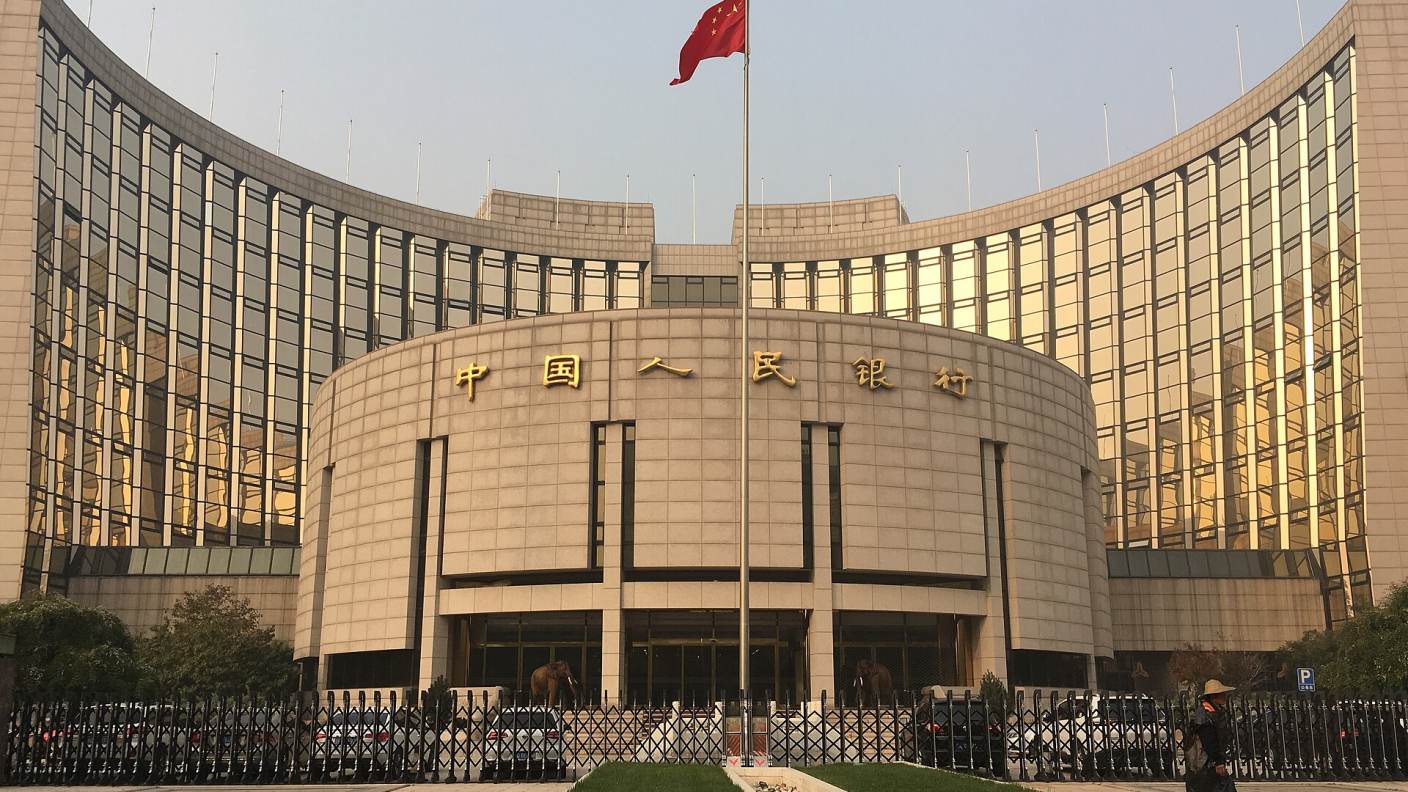
On November 2nd, China's central bank said it would dust off a scheme that helps institutional investors, such as insurers and brokers, obtain the liquid collateral they need to finance their equity purchases. The central bank will also make it cheaper for companies to borrow to buy back their own shares.
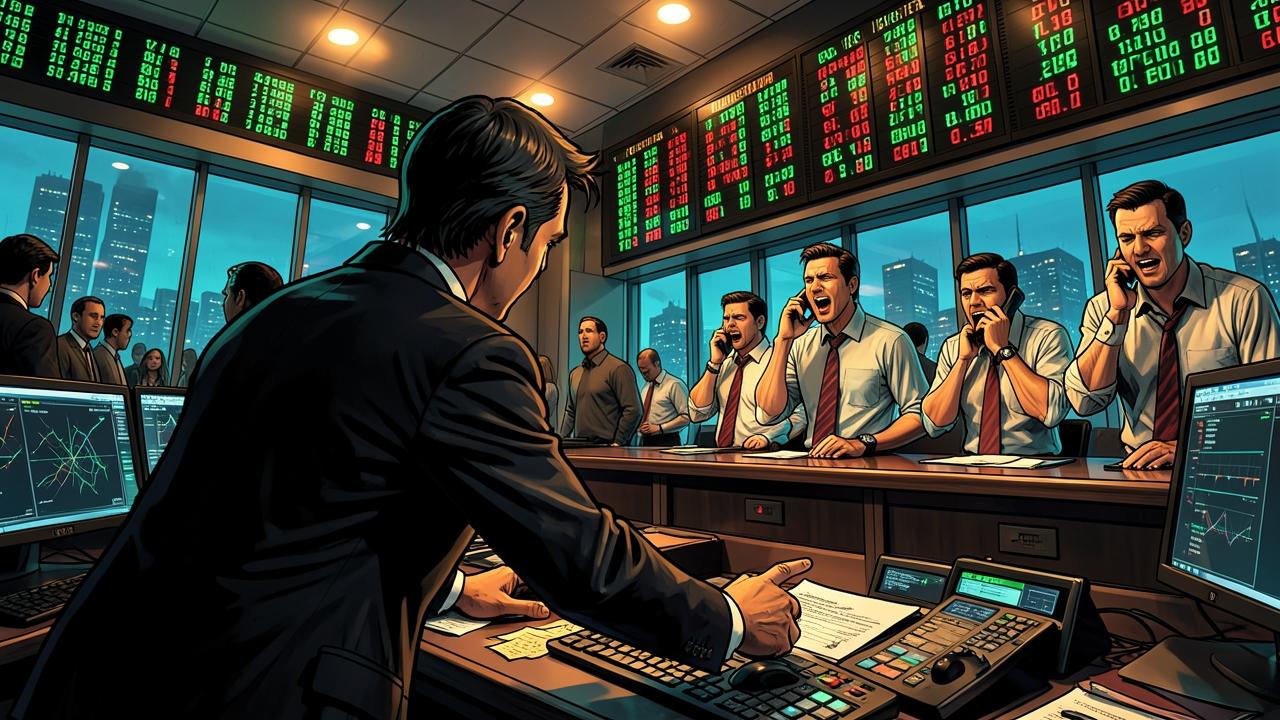
October was the worst month for Chinese equities in more than a decade, with the CSI 300 down about 13% so far in 2026 and the blue-chip benchmark in a bear market from its late-June peak. Shanghai's Star 50, heavy with semiconductor names, has plunged by as much as 48 per cent.
| China's market | Move |
|---|---|
| CSI 300, 2026 so far | down about 13% |
| CSI 300, from late-June peak | bear market |
| Star 50 | down as much as 48% |
| October | worst month in more than a decade |
A playbook three bailouts old
The domestic market has produced bear runs serious enough to draw emergency government bailouts in 2018, in 2024 and again now. Beijing has run this drill at least three times in the past decade. The machinery coming back into service is that of 2024: central bank liquidity for institutions and cheap money for buybacks.
- 2018First rescue
A bear run prompts an emergency government bailout.
- 2024Second rescue
Low-cost buyback funding and liquidity for institutions are first deployed.
- JulyMomentum unwind
Momentum-driven trades suffer their worst loss in history as a bear market takes hold.
- OctoberWorst month in a decade
Chinese stocks post their steepest monthly decline in more than ten years.
- 2 NovemberThird rescue
The central bank revives the collateral scheme and makes buyback borrowing cheaper.
China's 'national team' of state-owned financial institutions appears to have stepped up its operations to prop up the market, with the rout drawing fresh buying.
In recent days, regulators have again turned to window guidance, informally instructing institutional investors and brokerages not to sell; several major insurers have been asked to report their equity holdings, refrain from cutting their losses and align investment decisions with broader economic goals.
State-owned insurers have steadily added to their stock holdings in recent years, and China Life Insurance scaled up bets tied to artificial intelligence while raising the share of its portfolio held in equities. Insurers had been the policy's intended steady buyer.
Then came the third quarter. Profits at the country's five major listed insurers plunged, and the decline in domestic stocks was largely responsible.
Founder Hong Liang recently wrote to clients, accusing insurance firms of buying heavily into technology stocks near their July peak before sharply reducing those holdings in late September. Shiva Capital Group, one of China's biggest hedge funds, blames insurers.
Financing for stock purchases has declined, as has trading by mainland investors through the Stock Connect link with Hong Kong. These figures do not suggest that borrowing or overseas investors are behind the latest weakness.
Sentiment turns
The mood had shifted, said Michael McCarthy, chief executive for Australia and New Zealand at the online brokerage Moomoo.
It's pretty clear there's been a real shift in sentiment
Market turning points are often accompanied by strong disagreement, and that shows up in the market by huge swings in either direction
That's what we appear to have had - and last night's emphatic sell-down suggests that is the direction that we're now headed in.
July had already brought a bear market, when momentum-driven trades suffered their worst loss in history. The pattern was mirrored in South Korea and the United States, as the red-hot semiconductor trade was unwound in a hurry.
Treasuries can probably rally a lot further
And I suspect it will be an ugly day for semiconductor and memory (stocks).
The MSCI World index is up about 10% this year despite recent jitters, while China's technology shares have fallen sharply in the second half of the year, both onshore and off. South Korea and Taiwan, by contrast, have gained far more amid the artificial-intelligence boom.
China's slide against a rising world market
China
CSI 300, 2026 so far
down about 13%
- Tech shares have plummeted in the second half, onshore and off
- October was the worst month in more than a decade
MSCI World
Global equities, 2026 so far
up about 10%
- South Korea and Taiwan have ridden the AI boom to far greater heights
On its latest earnings call, China Pacific Insurance Group said investing in equities had become 'complicated', and portfolio managers needed to limit the effect of market swings on short-term returns.
Goldman Sachs reckons the broad deficit will narrow this year. Fiscal support is tightening as well.
What we know
- October was China's worst month for stocks in more than a decade.
- The central bank revived its collateral scheme on 2 November.
- Insurers had raised equity allocations before the slide.
Still unclear
- Who or what is ultimately to blame for the latest weakness.
- Whether the central bank's measures will halt the slide.
- The final toll of the decline in losses.
- When the next intervention might be needed.
As losses grow, those obligations can shorten the time insurers can hold investments and prompt them to sell during steep market declines. Hedge funds may have less patience than insurers, but insurers also face claims, other liabilities and risk-management demands. Unlike the national team, whose primary purpose is market stabilisation, insurers can't reliably buy against market swings.
In a mid-June speech, the head of China's securities regulator said policymakers want insurers to provide more long-term capital to the stock market. Reliable dividend payers such as Bank of Jiangsu may ultimately suit insurer liabilities better than capital-intensive chipmakers.