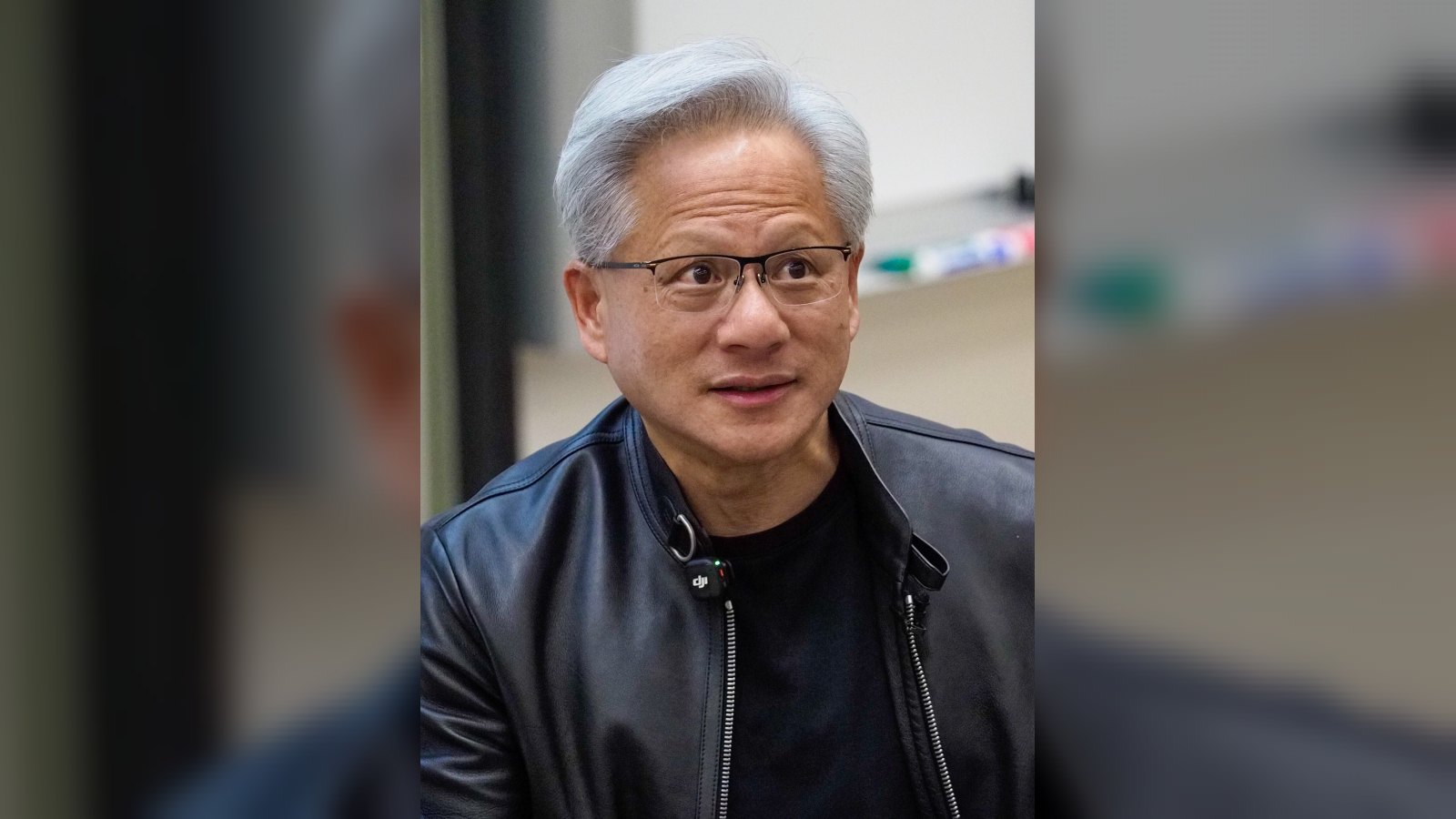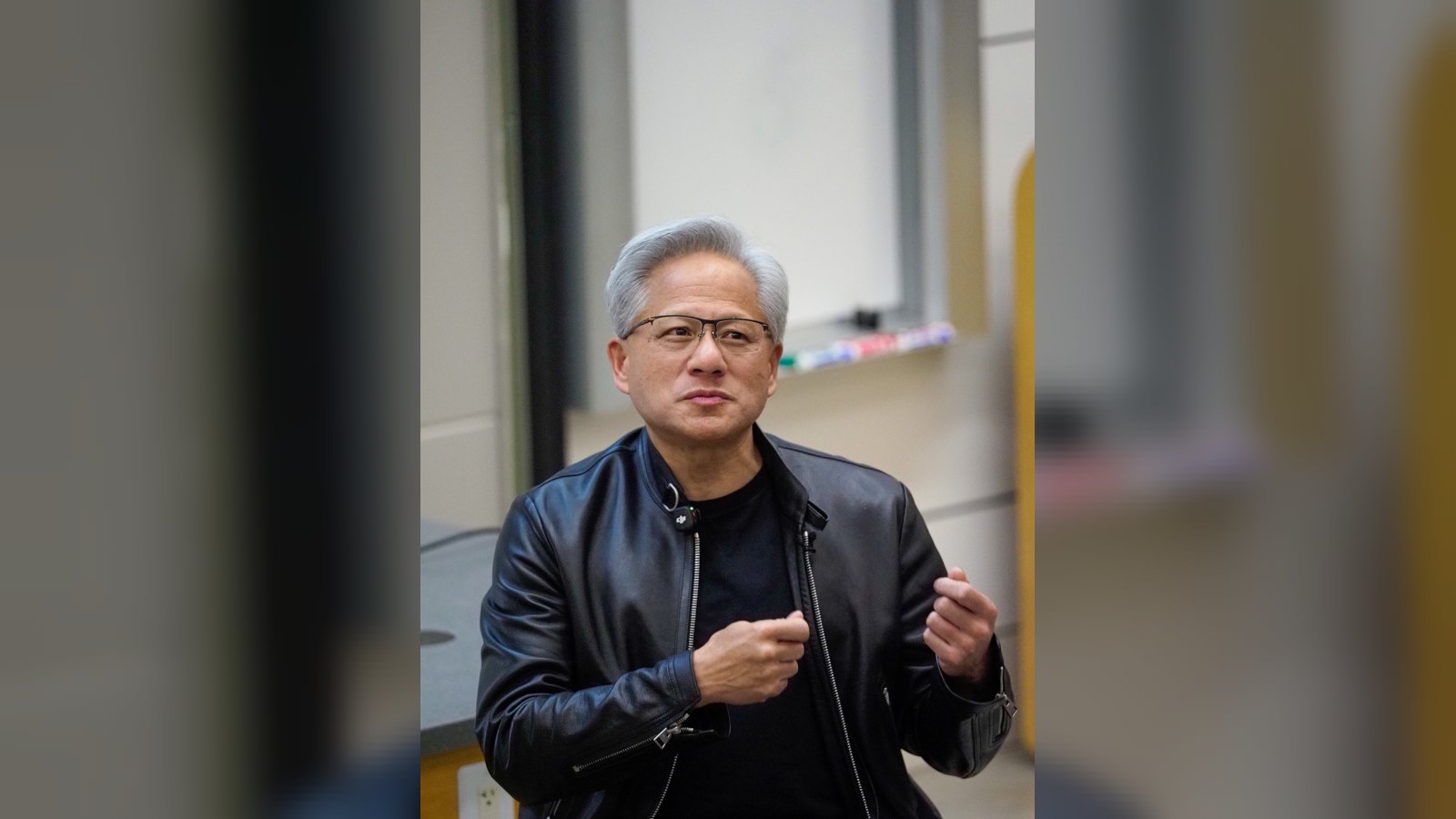
Jensen Huang resigned as Nvidia's chief executive after admitting to an affair with a businesswoman US intelligence suspects of working for China's spy service.
Before resigning, Huang admitted to the affair over the weekend. The Financial Times and the New York Times said, citing sources, that US government intelligence agencies think China's Ministry of State Security enlisted businesswoman Alice Huang to collect information about the then-CEO; whether any sensitive information was shared remains unclear.
Huang admitted only being unfaithful to his wife and said he would fully cooperate with the inquiry. Nvidia's board said it saw no grounds to think national security or company secrets had been put at risk, and pledged an independent investigation.
The Lobbying Voice Falls Silent
For years, Huang warned that China could win the AI race or was just "nano-seconds" behind, and that export controls on cutting-edge chips had backfired. His most common refrain was that if the US couldn't sell chips to China, homegrown champion Huawei would fill the gap and erode US dominance. Yet ByteDance, Alibaba and Tencent recently ordered more than US$35 billion in Nvidia processors permitted under US export restrictions, despite his warnings. Huawei's recent progress hasn't enabled it to meet demand or replace Nvidia in China's AI market.
The scandal had badly damaged the standing of the leading corporate opponent of US export controls on China, Arthur Kroeber of Gavekal Dragonomics said, and Congress may tighten those rules before the end of this year. "The Nvidia scandal has destroyed the credibility of the biggest corporate lobbyist against U.S. export controls on China," Kroeber said.
A Diplomatic Minefield
Washington started curbing Nvidia's sales of advanced chips to China in 2022, and the Trump administration eased many Biden-era restrictions in 2025. Huang's departure arrives at a moment of maximum vulnerability. At the peak of his influence, Huang shared a banquet table in September with US President Donald Trump and Chinese President Xi Jinping during a Washington, D.C., summit. Democrats swept the US midterm elections on 3 November.
The Jensen Huang case feels more like another "spy balloon" case, George Chen of The Asia Group said. During the Biden administration in early 2023, the US brought down a balloon it identified as a Chinese surveillance craft; Beijing maintained it was a weather balloon blown off course. The incident pushed back Antony Blinken's China visit, then more than four months away in his role as Secretary of State.
A Beijing-based foreign policy researcher, speaking anonymously, warned the incident could deteriorate the atmosphere in Washington against China, on export controls and in the Trump administration's dealings with China. "I worry this incident will deteriorate the atmosphere dramatically in Washington against China, and also export control matters, and also the Trump administration in its way of dealing with China," the researcher said.
The researcher also warned of a possible return to a 1990s situation involving a Chinese-American nuclear physicist who faced federal prosecution on suspicion of giving nuclear secrets to the Chinese government; the court dismissed all but one of 59 counts.
A Fight Over Competitiveness
The case is fundamentally about something else, Mitch Presnick of the Asia Society's Center for China Analysis said. "This isn't really about Jensen," Presnick said. He said the timing was deliberate, citing unnamed sources and other strange aspects of the reports. "The timing is no accident here," he said.
China might respond by halting exports of rare earths or chipmaking materials if the US used the MATCH Act or Affiliates Rule to impose further limits on China, Kroeber warned. Yet he predicted Trump and Xi will probably agree at the Shenzhen meeting to keep the uneasy US-China truce going. "So when Trump and Xi meet next week in Shenzhen they will probably agree to keep the uneasy U.S.-China truce going," he said.
The two countries will start to decouple again in technology and China will double down on self-reliance, George Chen of The Asia Group said. "We are going to see the two countries start to decouple again in terms of technology," Chen said.
Reactions and Next Steps
China's Foreign Ministry called the allegation unfounded smears. Spokeswoman Mao Ning said the US should stop fabricating "Chinese spy" narratives as a pretext for technology restrictions. "The U.S. should stop fabricating the "Chinese spy" narratives as a pretext for imposing technology restrictions," Mao Ning said.
In Washington, lawmakers from both parties have often found common ground on taking a tough line toward China. House Foreign Affairs Chair Brian Mast, R-Fla., said there could be "public hearings for other things down the road."
Trump and Xi are scheduled to meet next at the APEC Economic Leaders' Meeting, set for Nov. 18 to 19 in Shenzhen. The summit will be the first test of whether the uneasy US-China truce survives the scandal and its fallout.
- 2022Export curbs begin
Washington restricts Nvidia's chip sales to China.
- Early 2023Spy balloon crisis
US shoots down Chinese balloon; Blinken's China trip delayed four months.
- 2025Trump eases restrictions
Trump administration relaxes Biden-era export controls.
- SeptemberPeak influence
Huang dines with Trump and Xi at Washington summit.
- 3 NovemberMidterms
Democrats sweep US elections.
- Weekend before 3 NovemberAdmission and resignation
Huang admits affair and resigns from Nvidia.
- 18-19 NovemberShenzhen summit
Trump and Xi meet at APEC Economic Leaders' Meeting.
What we know
- Huang admitted to an affair and pledged to cooperate with the board investigation.
- Nvidia's board found no reason to believe national security or company secrets were compromised.
- China's Foreign Ministry dismissed the allegations as unfounded smears.
Still unclear
- Whether any sensitive information was shared in the alleged espionage connection.
- The outcome of Nvidia's board investigation into whether national security or company secrets were compromised.
- Whether Congress will tighten export control rules before the end of this year, as Kroeber predicts.