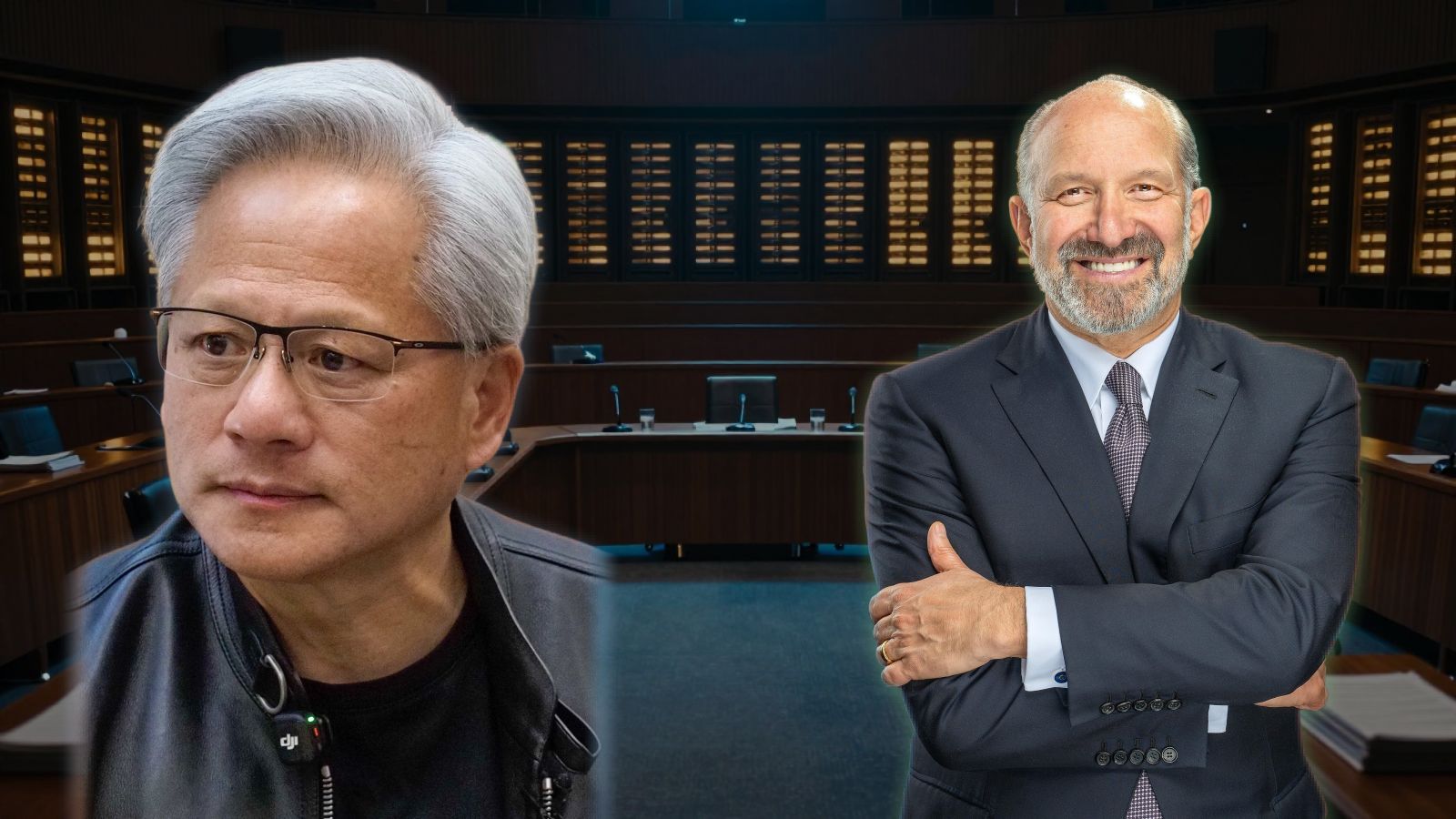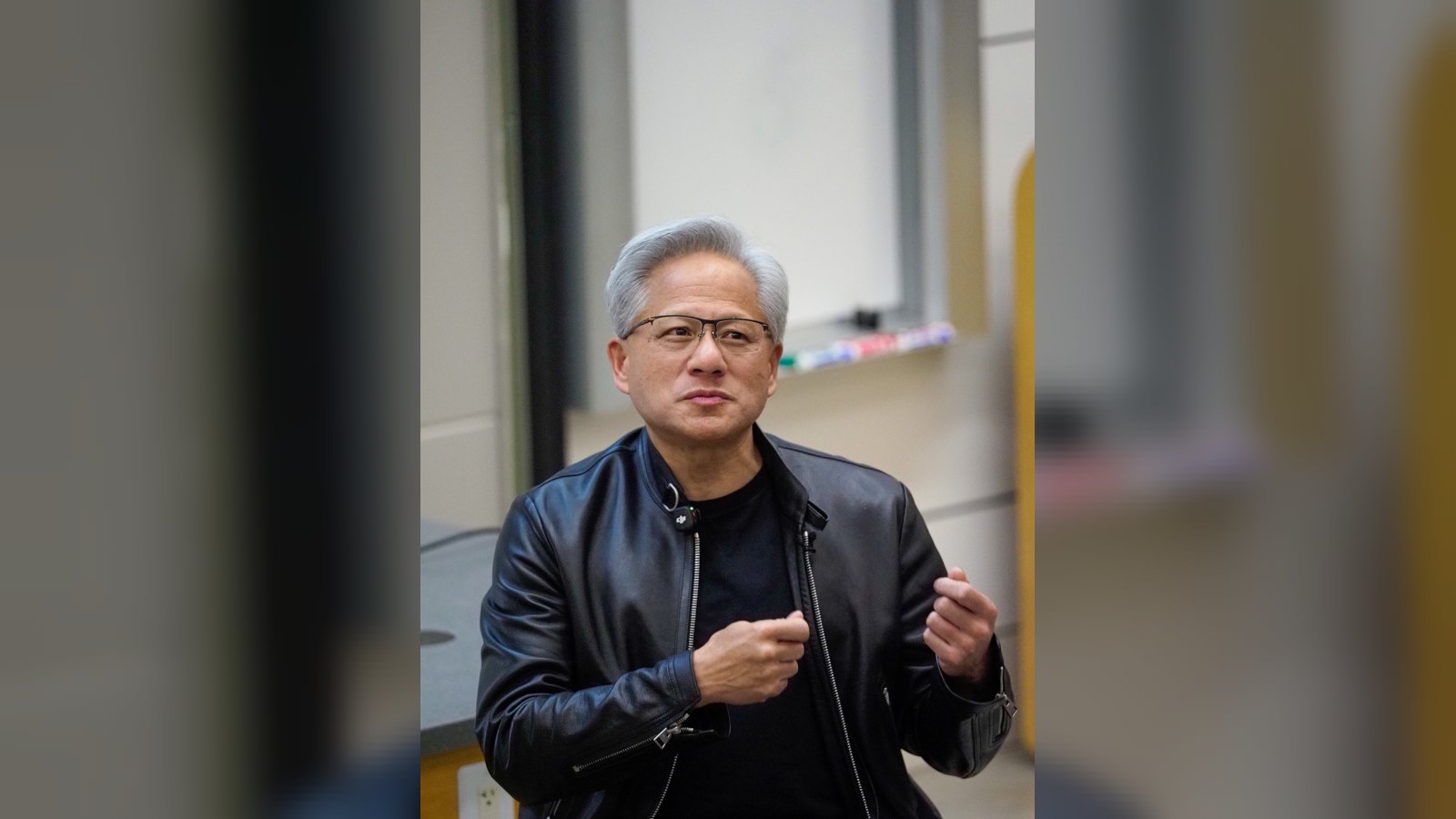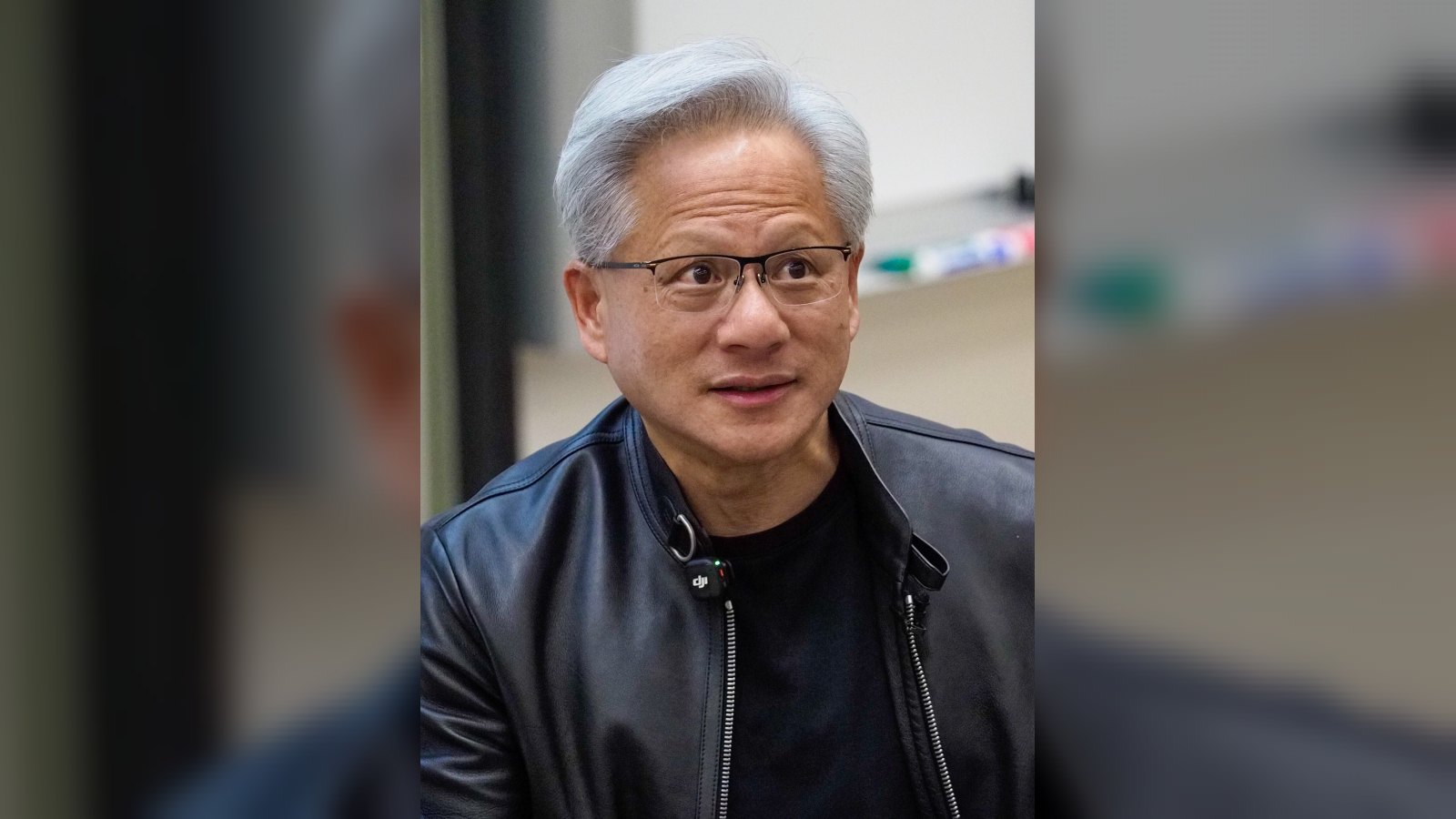
On November 12, Jensen Huang stepped down as Nvidia's chief executive. That same day, Richard E. Neal, the ranking member on the House Ways and Means Committee, and Ron Wyden, the ranking member on the Senate Finance Committee, opened an investigation into how the Trump administration approved and taxed Nvidia's sales of H200 AI chips to Chinese companies, including a 25% tariff, and demanded that the Commerce Department keep the relevant records.
Nvidia makes chips used to train advanced AI models, making the company central to US efforts to stay ahead of China in AI. Washington's spent years trying to limit China's access to the most powerful chips. Chinese companies have repeatedly found ways around those restrictions.
Lawmakers demand Commerce's records
The lawmakers sent their letter to Commerce Secretary Howard Lutnick. It sets out the route they say an H200 takes: made in Taiwan, imported into the US for a security review, charged the tariff, licensed by Commerce for export, then shipped on to China.
The letter asks Commerce to preserve records concerning its Section 232 semiconductor-import investigation and the resulting tariffs, its review and approval of Nvidia export licences, and its communications with or about Nvidia, Jensen Huang and their agents. It also names a Section 232 report that Lutnick sent to Trump on December 22, 2025.
Using Section 232 of the Trade Expansion Act of 1962 in this arrangement appears to create an unconstitutional export tax, Neal and Wyden argue. In their account, it takes a cut of Nvidia's China sales while benefiting both Nvidia and the Chinese government, and undermines US security.
Destroying records that Congress has asked for is a federal crime, the two lawmakers warned.
Cutout buyers and a suspended inquiry
Neal and Wyden cited press reports that Commerce had approved sales to Chinese companies linked to the government and military, including shell firms with no physical presence at their listed addresses, and had ended a separate investigation into Megaspeed, an Nvidia customer, after Nvidia made contact.
Alice Huang, described in the letter as a Chinese executive closely connected to Jensen Huang, leads Megaspeed, a company suspected of smuggling Nvidia chips into China. US intelligence officials identified her as an asset of Chinese intelligence, found that she had shared information with the Chinese government and helped Chinese buyers acquire advanced Nvidia chips, the letter says.
Intelligence reportedly reached Trump and Lutnick in a briefing, yet Trump authorised Nvidia to sell H200 chips to China in December 2025 in return for a share of export sales. Neal and Wyden questioned whether political considerations improperly shaped the decision, noting that Jensen Huang and Nvidia directed at least $26 million towards Trump's personal priorities, including the White House ballroom.
An earlier letter, dated November 9, 2026, came from the House Foreign Affairs Democrats Gregory W. Meeks, Gabe Amo and Sydney Kamlager-Dove. They asked Commerce to halt advanced AI-chip exports to China at once and to explain what officials knew about the reported intelligence links, when senior officials were told about them and why the exports went ahead. They warned that transferring advanced AI capabilities to China's government or its proxies could have effects that would be extremely difficult to undo.
Lawmakers in both parties have sought tighter limits on China's access to advanced AI chips after reports about Huang's affair with a woman suspected of spying for Beijing. On November 12, House Speaker Mike Johnson said that "the growing consensus in Congress favours new restrictions on chip exports to China".
Four bills and a defence measure
Several proposals are already included in the Senate's version of the annual defence authorisation Bill, legislation that must pass to fund the military and typically receives bipartisan backing. A handful of lawmakers want the remaining proposals added, too.
Massachusetts Democrat Elizabeth Warren and Indiana Republican Jim Banks say Congress should have more oversight of export-control decisions that affect national security. Their AI Overwatch Act would expand Congress's role in reviewing changes to export rules.
The Chip Security Act would require chipmakers to monitor the destinations of advanced AI processors and alert the government if they suspect chips have reached prohibited users. The Semiconductor Industry Association, which counts Nvidia among its members, has warned that mandatory tracking could impose significant costs on the industry.
Rather than target Nvidia, the Match Act points at America's allies. It would press them to restrict sales and maintenance of advanced chipmaking equipment bound for China, affecting firms such as ASML of the Netherlands and Tokyo Electron of Japan, without directly restricting Nvidia's chip sales.
The Remote Access Security Act targets Chinese companies that rent computing power from data centres abroad fitted with Nvidia chips, then use the systems remotely. It passed the House in January and is waiting on the Senate. Nvidia said in July that the Bill, if enacted, could have "a material impact on our business".
| Bill | What it would do | Where it stands |
|---|---|---|
| AI Overwatch Act | Give Congress a bigger role in reviewing changes to export rules | In the Senate version of the defence Bill |
| Chip Security Act | Make chipmakers track the location of advanced AI processors and report suspected diversions | In the Senate version of the defence Bill |
| Match Act | Press allies to restrict sales and servicing of chipmaking equipment bound for China | In the Senate version of the defence Bill |
| Remote Access Security Act | Target Chinese firms that rent Nvidia-powered computing abroad and use it remotely | Passed the House in January; awaiting the Senate |
- 22 December 2025Section 232 report
The letter says Lutnick sent Trump a report on the semiconductor-import investigation.
- December 2025H200 sales approved
Trump granted Nvidia permission to sell H200 chips to China for a cut of export sales, the letter says.
- 9 November 2026Democrats demand a halt
Meeks, Amo and Kamlager-Dove asked Commerce to stop advanced AI-chip exports and explain what it knew.
- 12 November 2026Resignation and investigation
Huang stepped down and Neal and Wyden opened their inquiry into the approval and the tariff.
According to an August company statement, Nvidia's revenue from chip sales to Chinese data centres is near zero, and it doesn't expect that to change in the third quarter. Jensen Huang had supported allowing more exports to China.
US law already gives the Commerce Department broad authority to block or allow advanced chip exports without congressional input.
Chinese AI companies are racing to lock in Nvidia-powered computing capacity outside China, concerned that the controversy around Huang could speed up Washington's effort to tighten the restrictions.
Where the accounts differ
Why Huang resigned
Two accounts
- One dates the resignation to November 12, days after reports of an affair with an executive at a Singapore-based tech company that US authorities suspect of spying for Beijing.
- Another places it in the same week, after later reporting revealed further affairs.
Alice Huang's status
Contested
- The Neal-Wyden letter says US intelligence officials identified her as a Chinese intelligence asset.
- Another account says whether she worked for China's Ministry of State Security is debated and under investigation.
Nvidia's statement didn't address Huang's conduct. Huang has acknowledged an extramarital affair but hasn't named the other person. Recent reporting alleged that the woman was a Chinese businesswoman named Alice Huang and suspected of being a Chinese spy.
Whether Alice Huang was working for China's Ministry of State Security is under investigation and remains debated.
What we know
- Neal and Wyden opened their investigation on November 12, 2026.
- Nvidia's revenue from Chinese data centres is near zero.
- The Remote Access Security Act passed the House in January.
Still unclear
- Whether Alice Huang worked for China's Ministry of State Security.
- Whether political considerations improperly influenced approval of the H200 sales.
- What Commerce knew about the reported intelligence links and why exports continued.
- Whether the chip proposals will be attached to the defence authorisation Bill and whether they can pass the Senate.
The Senate has yet to act on the Remote Access Security Act.