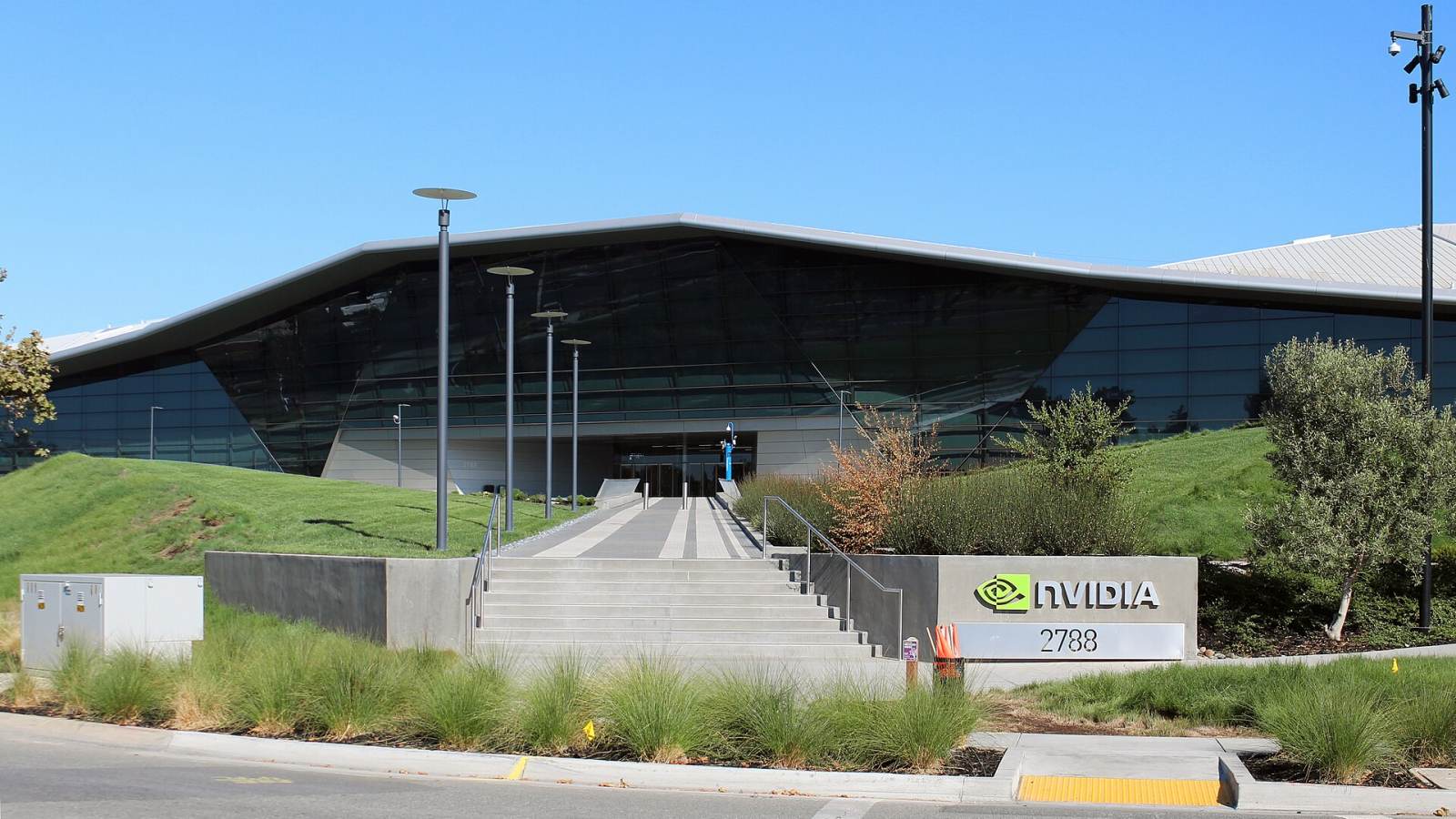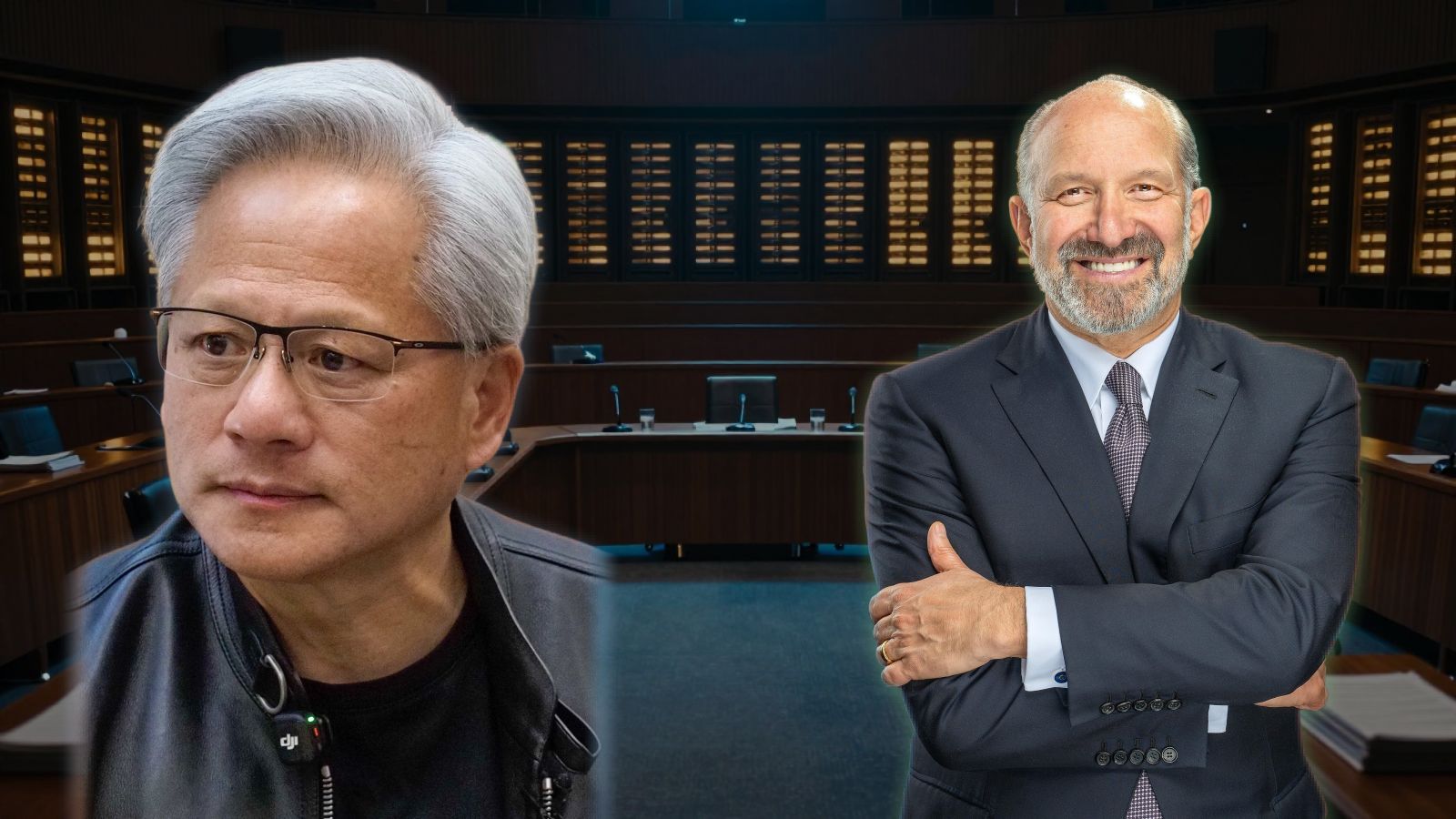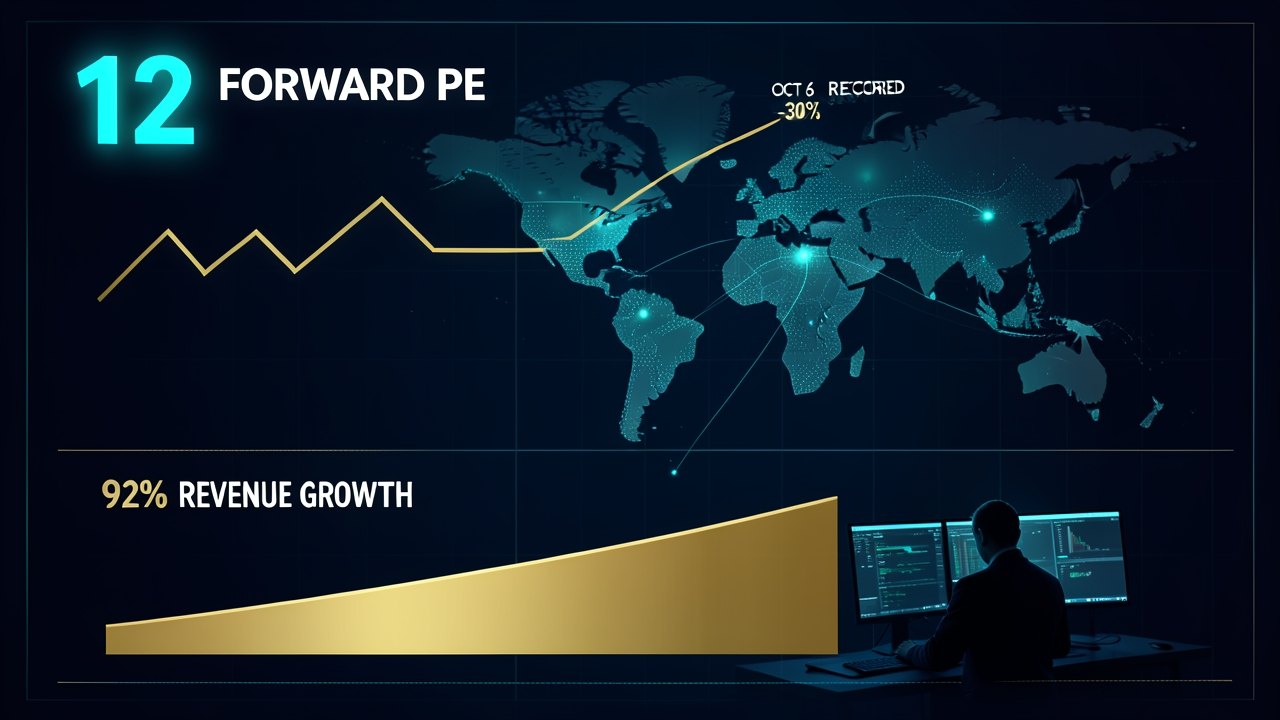
Nvidia's forward P/E has dropped to about 12, its lowest since 2012, after chief executive Jensen Huang resigned and worries about AI data-centre spending deepened.
On Thursday, November 12, shares dropped by more than 5 per cent, leaving Nvidia down about 12 per cent this week and more than 30 per cent below the record high it reached on October 6.
That leaves the stock priced like a company in retreat, even though analysts still forecast 92 per cent revenue growth for the October quarter. Tuesday's results will test which reading is right, as will what interim chief executive Colette Kress says about the outlook.
- 6 OctRecord high
Nvidia shares reach their peak.
- 12 NovHuang resigns
Shares fall more than 5 per cent and Colette Kress becomes interim CEO.
- 17 NovResults due
Nvidia reports the October quarter.
A key-person exit
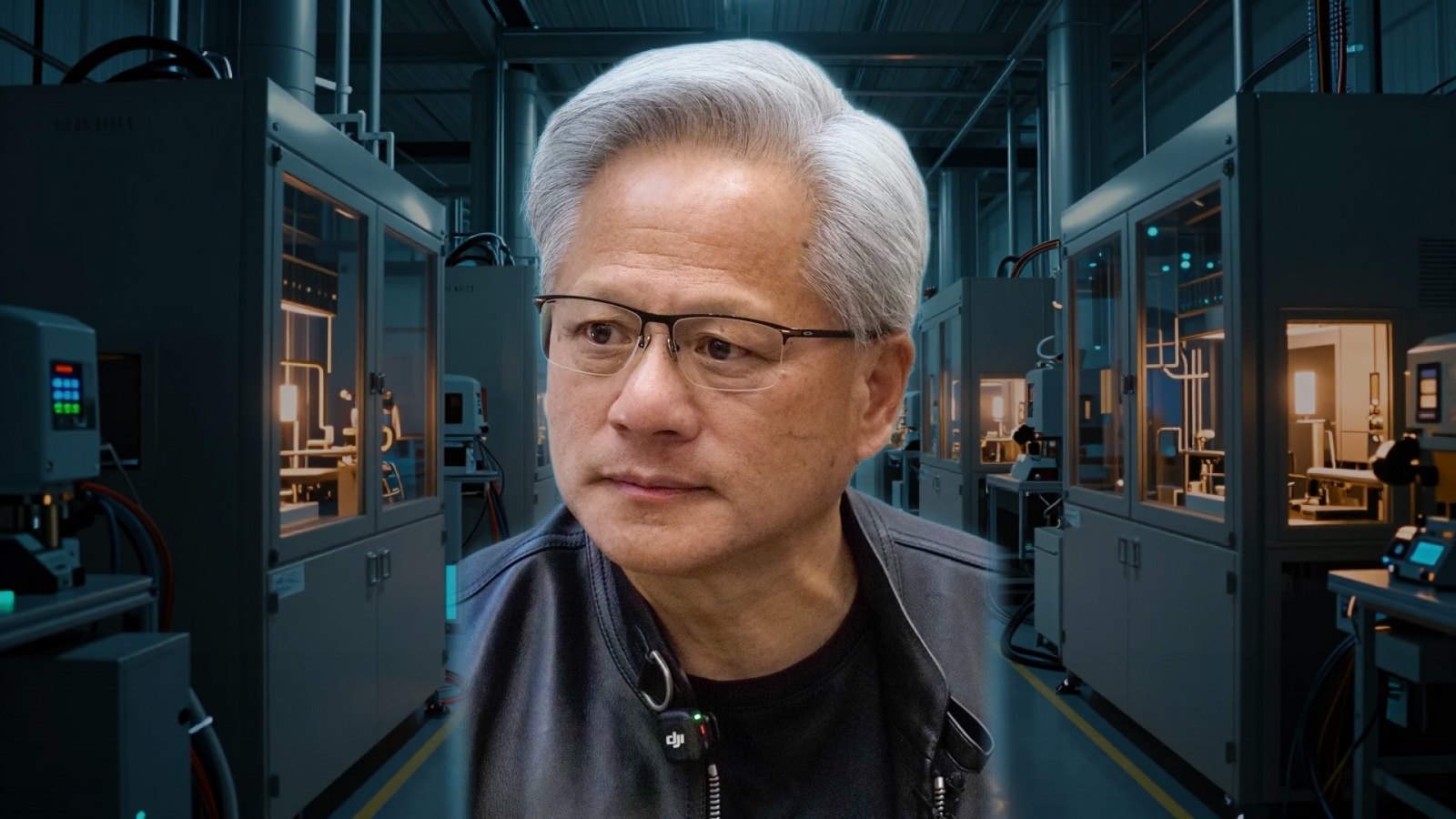
Following reports about his extramarital relationships, one of which involved a woman accused of being a Chinese spy, Huang stepped down on Thursday, November 12.
While Nvidia searches for someone to fill the CEO position permanently, its chief financial officer, Colette Kress, is temporarily leading the company. In her CFO role, she helped drive the company's 'circular financing' strategy, which involves investing in companies that purchase its chips and is now facing greater scrutiny.
This is a key-person event, not a demand event. Nobody is canceling GPU orders because the CEO resigned. Historically, stocks take time to find a bottom after an abrupt CEO exit while the market works through the investigations and the search,

A multiple last seen in 2012
The last time the multiple sat this low was 2012, when Nvidia was competing with Advanced Micro Devices in videogame graphics cards and struggling to gain a foothold in tablets and other mobile devices.
A low P/E can make a stock look cheap, but it can also reflect doubts that the earnings investors expect will materialise.
Forecasts stay bullish
According to LSEG data, analysts on average expect a 92 per cent year-on-year rise in revenue for the October quarter, with net profit expected above $60 billion, an 89 per cent annual increase.
So far they have kept those bullish forecasts, expecting demand for Nvidia chips to keep outpacing supply.
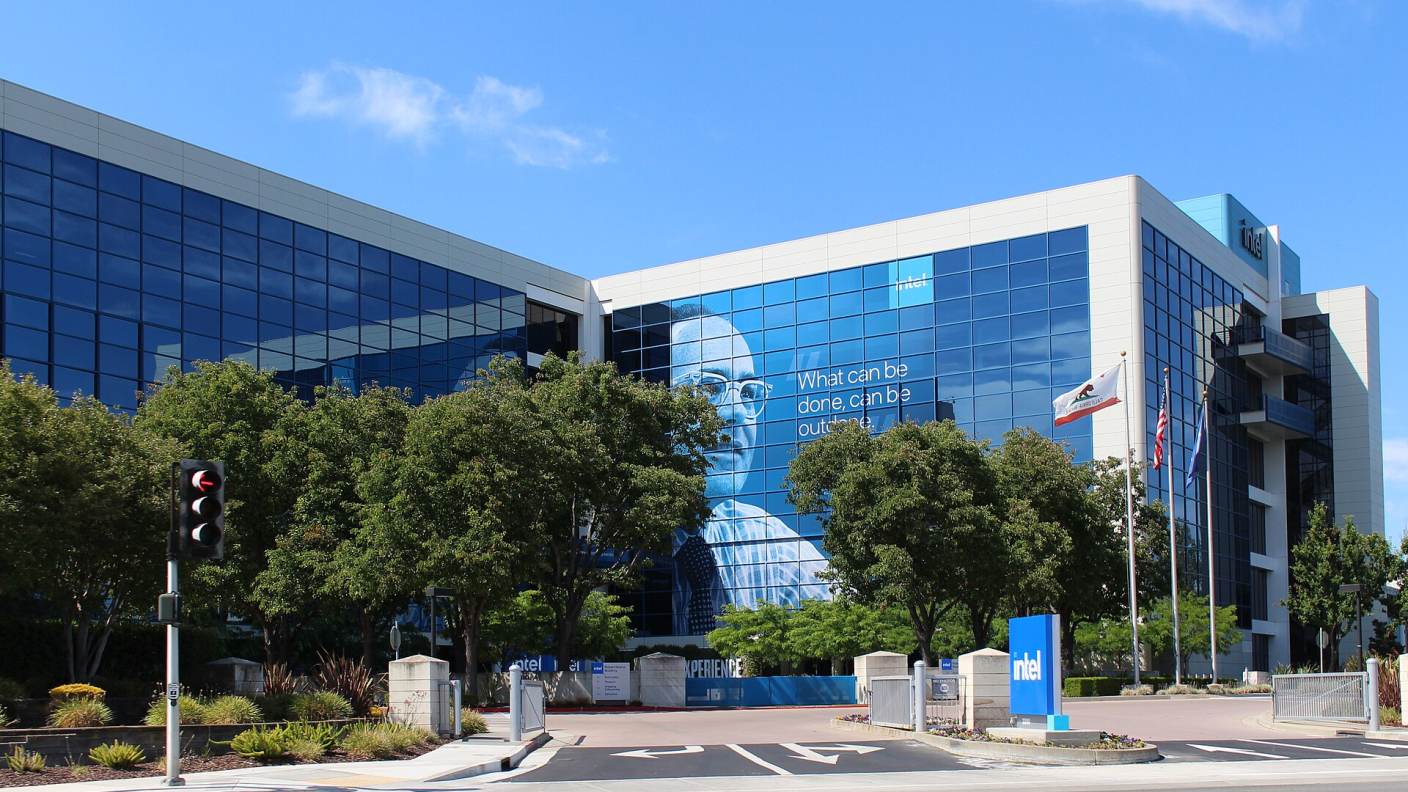
As investors bet that customers would spread their orders across more suppliers, Broadcom, Intel and Advanced Micro Devices all advanced on Thursday.
This could turn what has effectively been a monopoly into a horse race again, as competitors rush to meet growing demand,
Chester Spatt, a finance professor at Carnegie Mellon University, said rivals' gains would be smaller than Nvidia's losses, and chip buyers could become much more reluctant to concentrate purchases with a single source.
China, Washington and the wider AI trade
Jensen Huang’s resignation is a watershed moment for Nvidia, which now has to prove it can maintain its AI dominance without the leader largely responsible for building it,
With President Donald Trump's ear, Huang had been a prominent AI evangelist advocating light-touch AI regulation.
Obviously Nvidia’s technological leadership won’t disappear, but Huang had played an outsized role as its chief strategist, dealmaker and — very importantly — political advocate, with close access to both Washington and Beijing,
Chinese chipmakers have already rallied on Nvidia’s troubles, but China’s AI developers depend heavily on Nvidia’s ecosystem,
The resignation may lead elected officials to press for tighter controls on exports of chips made in America, potentially helping Chinese chipmaker Huawei.
It comes after midterm elections marked by hostility toward data centres, with many Democrats promising aggressive stances on AI regulation. Experts are watching what the fallout means for pending public debuts of AI companies, including Anthropic's.
Nvidia holds a nearly 13% stake in CoreWeave, which closed down almost 7% on Thursday. In March, Huang predicted a $1 trillion backlog in chip orders by the end of the year, double his estimate from a year earlier.
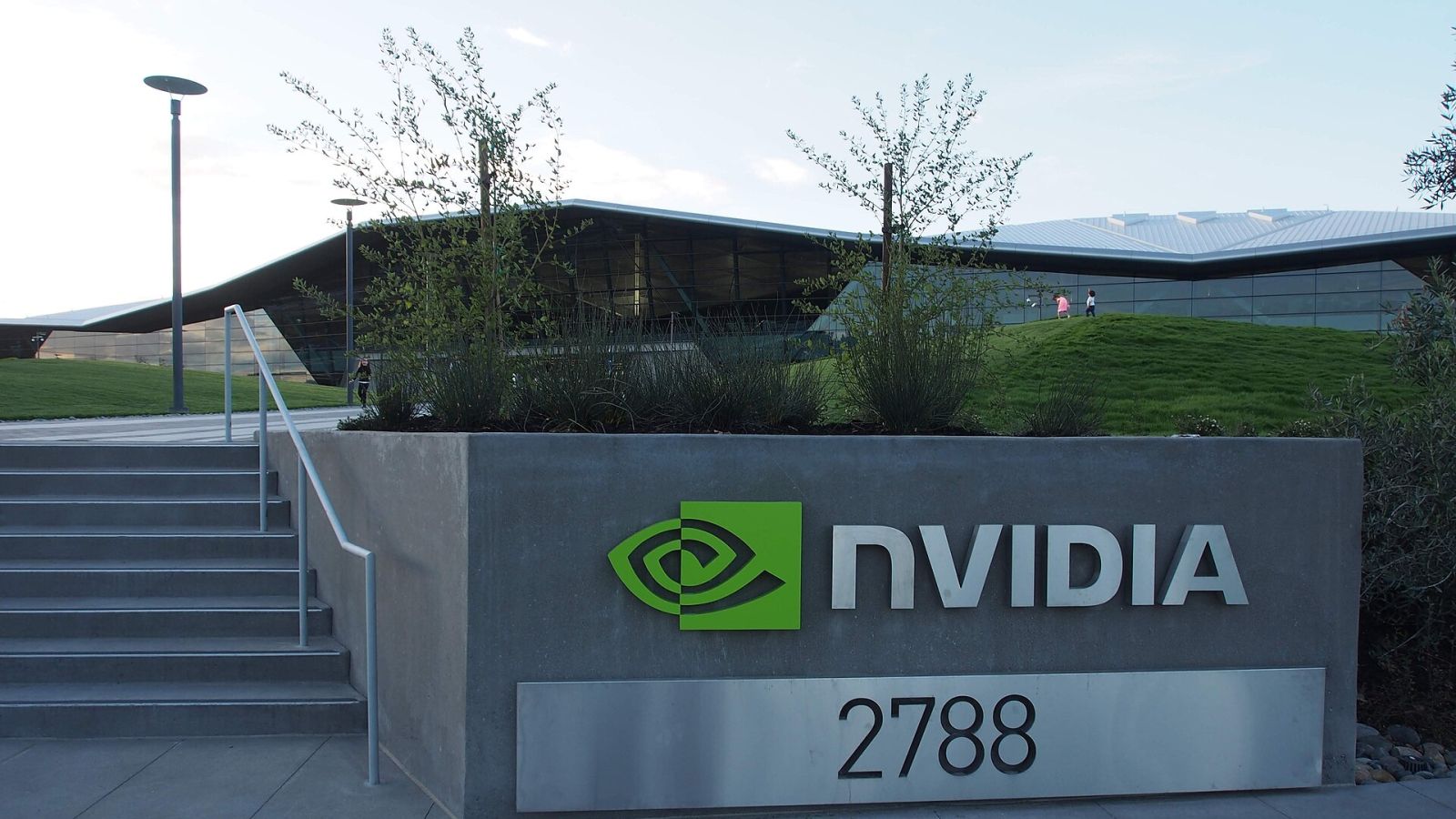
The company has invested heavily in other AI firms and alternates with Apple for the title of Wall Street's most valuable company. Its annual filings identify AMD, Intel, Broadcom and cloud companies such as Google, Amazon and Microsoft as competitors.
What to watch on Tuesday
Investors will be watching what Kress says about the outlook, which may matter more than the results themselves. Whether the correction is a buying opportunity or an early sign that AI-driven growth is losing momentum remains unresolved, as do the questions of who takes the permanent job and what the investigations find.
Nvidia reports quarterly results on Tuesday, 17 November, with investors watching whether its growth can last without Huang.