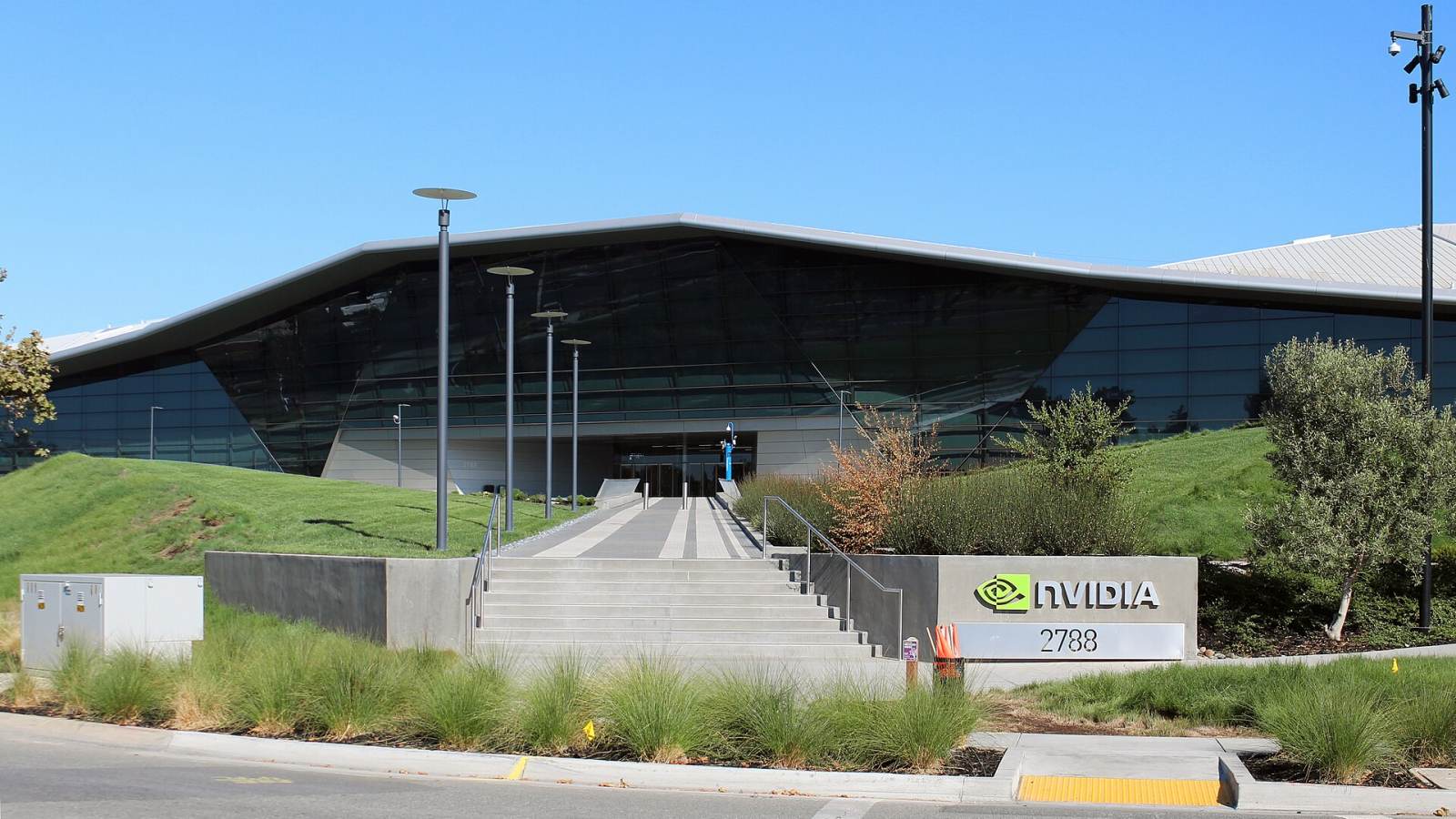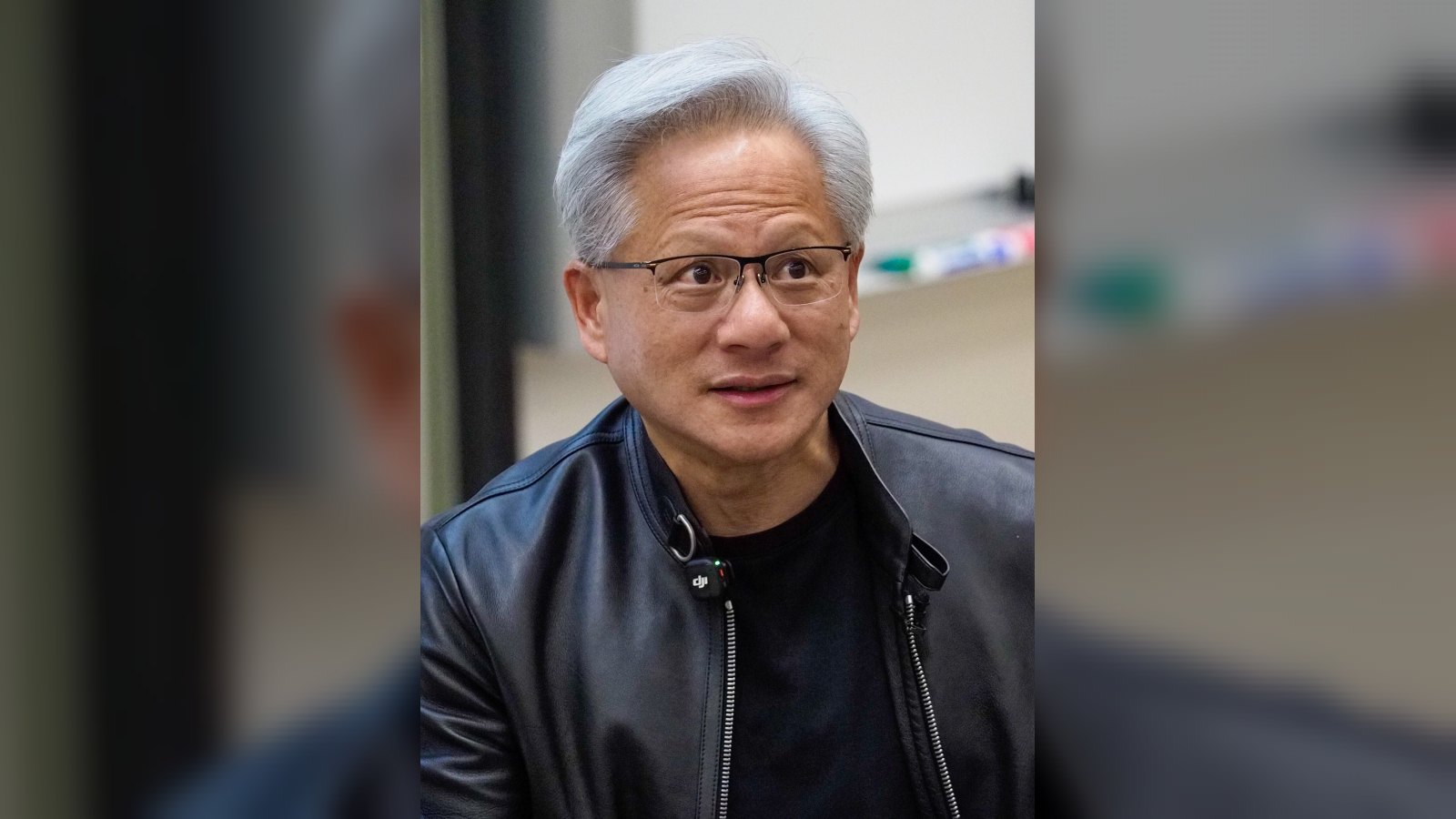
On November 8, Nvidia’s board said it had opened an independent investigation into whether Jensen Huang had been the target of a foreign intelligence effort. Independent directors are overseeing the inquiry, with help from outside counsel.
Directors said they had found nothing so far to suggest any damage and saw no reason to believe national security or Nvidia's secrets had been compromised.
The board said it had confidence in Huang and his leadership team.
In a memo to staff, Huang said he’d had the affair and apologised to his family and colleagues at the company.
I love our country and our company
The woman is Alice Huang, also known as Huang Le. She is a Chinese citizen and a former executive at Megaspeed International, a Singapore-based data centre company. She and Jensen Huang are not related.
US authorities reportedly concluded that she was probably passing information to Chinese intelligence while she and Jensen Huang were close, according to reports citing US intelligence officials.
A California meeting, then a bar in Taipei
- March 2024First meeting
Alice Huang and Jensen Huang meet at an Nvidia event in California.
- June 2024Taipei
They meet again at a cocktail bar in Taipei during an annual computer-industry trade show.
- June 2025Sales cut off
Nvidia bans all sales and shipments to Megaspeed.
- November 8Board inquiry
Nvidia's board opens an independent investigation overseen by independent directors with outside counsel.
She had earlier been a television reporter for Chinese state media and moved to Megaspeed in 2023 after a spell in the financial sector. A Singapore registration listed her as a company director from March to November 2023.
A spinoff of Chinese company 7Road Holdings, Megaspeed marketed itself as a supplier of Nvidia hardware through the cloud to customers in Asia-Pacific. The company has said it’s legitimate and compliant and didn’t take part in illegal activity.
Authorities in Taiwan and Singapore were investigating whether she had links to China and its intelligence services. Separately, the US government was examining whether Megaspeed diverted Nvidia AI chips for use in China.
Over two years, Megaspeed bought more than $4.8 billion of Nvidia chips. Nvidia cut off all sales and shipments to the company in June 2025, and the ban remains, although the Commerce Department gave permission for parts and replacement components sent since then, a spokesman said.
What Nvidia and Washington say
A spokesman said US intelligence officials never gave Huang a defensive briefing warning him that foreign intelligence services might be targeting him.
Trump said Huang told him he had no idea the woman was a spy. He didn’t recall being shown classified material in a spring memo prepared under Secretary of State Marco Rubio that warned about the relationship.
The Commerce Department's Bureau of Industry and Security rejected a report that it had dropped its inquiry into suspected chip diversion at Megaspeed after an Nvidia executive made contact. "BIS conducts all enforcement strictly by the book," a spokesman said.
Huang remains under investigation by the FBI.
What we know
- Nvidia's board announced its inquiry on November 8, overseen by independent directors with outside counsel.
- Huang admitted the affair in a staff memo and apologised to his family and Nvidia colleagues.
- Nvidia banned all sales and shipments to Megaspeed in June 2025 and the ban remains in place.
- Nvidia closed down 4.3 per cent on Monday while Google and Meta rose.
Still unclear
- Whether the relationship created a national security or corporate security risk, and whether any sensitive information was accessed.
- Whether Huang broke company policy or any law.
- Whether the affair influenced US policy on chip sales to China.
- Who could replace Huang, and what happens to the market built on Nvidia hardware if he goes.
- Whether Huang remains CEO.
Shares fell while peers rose
The disclosure hit the market. Nvidia closed 4.3 per cent lower on Monday, wiping out about $230 billion in shareholder value, while Google and Meta saw share price upticks.
A second account of the same session put the fall at more than 4 per cent, with broader stock market indices higher on the day.
Two measures of Nvidia's share of AI chips
All AI and data centre GPUs
North of 80% of the global market
- The wider measure of Nvidia's grip on AI chips
Frontier-training chips
90% of the market
- Chips used to train frontier AI models
The company's market value is $4.3 trillion. As of November 6 it made up just over 7 per cent of the S&P 500.
One man, one company, one chip policy
Huang co-founded Nvidia in 1993 and has run it since, building a graphics chip maker into the leading seller of AI accelerators.
Huang’s position is well paid and thinly protected. He earned $36 million last year and held about 3.5 per cent of the company as of March, according to a corporate filing that also described him as an at-will employee who can be dismissed at any time with no severance.
David Yoffie of Harvard Business School described how decision-making is concentrated inside the company.
He’s the person who decides who gets the chips and who doesn't
Yoffie also said nobody had any idea who would take over from him.
Ryan Fedasiuk of the Foundation for American Innovation said Huang was irreplaceable, but added a condition.
He has to be replaceable as the CEO of the world's largest company, at $4 trillion in capex.
Steven Dickens of HyperFrame Research said Huang’s relationships with senior technology executives, including Dell Technologies chief executive Michael Dell and leaders of the big cloud providers, had been built over decades and would be extremely difficult to reproduce.
Investor Eric Schiffer said Huang’s exit would cut 20 per cent to 30 per cent from the stock, taking the valuation to between $3 trillion and $3.4 trillion. He put the probability of Huang leaving as low and said the affair on its own was unlikely to burst the AI investment bubble.
Garth Sheriff, a Certified Fraud Examiner, said the key question was whether the affair had opened a vulnerability inside Nvidia. For him, it was a matter of security and access, not morality, that might unsettle the chip industry.
Jeffrey Sonnenfeld of Yale School of Management raised whether Nvidia's board had adequately prepared for a day when Huang might no longer be able to lead the company.
Huang had pressed Washington to loosen the limits on selling chips to China. In Trump's second term, controls were eased to give China access to older generations of Nvidia chips.
The affair quickly reached the top of Congress. It came up during an intelligence briefing focused on Iran for senior lawmakers on Monday, and several from both parties said they wanted strict chip-export limits written into a proposed defense-spending package.
Senate Majority Leader John Thune, a Republican from South Dakota, said such questions carried extra weight now.
Clearly in this environment with all the cyber threats and all the world of superintelligence, these types of things take on an added significance
Sam Bresnick of Georgetown's Center for Security and Emerging Technology said he expected the scandal to accelerate efforts to crack down on chip exports and to bring more scrutiny from the Commerce Department.
Nvidia says its chief executive is staying.
Today’s news will not slow Nvidia. Jensen is committed to continuing to lead Nvidia as CEO without interruption
Columnist Allie Garfinkle wrote that her guess was Huang would survive the furor and remain chief executive, given how entrenched he is and how much financial infrastructure depends on him.