IST and UTC always stay visible, so every time can be checked. Choose India or Universal to see only those two. Your choice is kept on this device only.
Tech Shares Rebound, but Nasdaq Extends Weekly Losing Streak
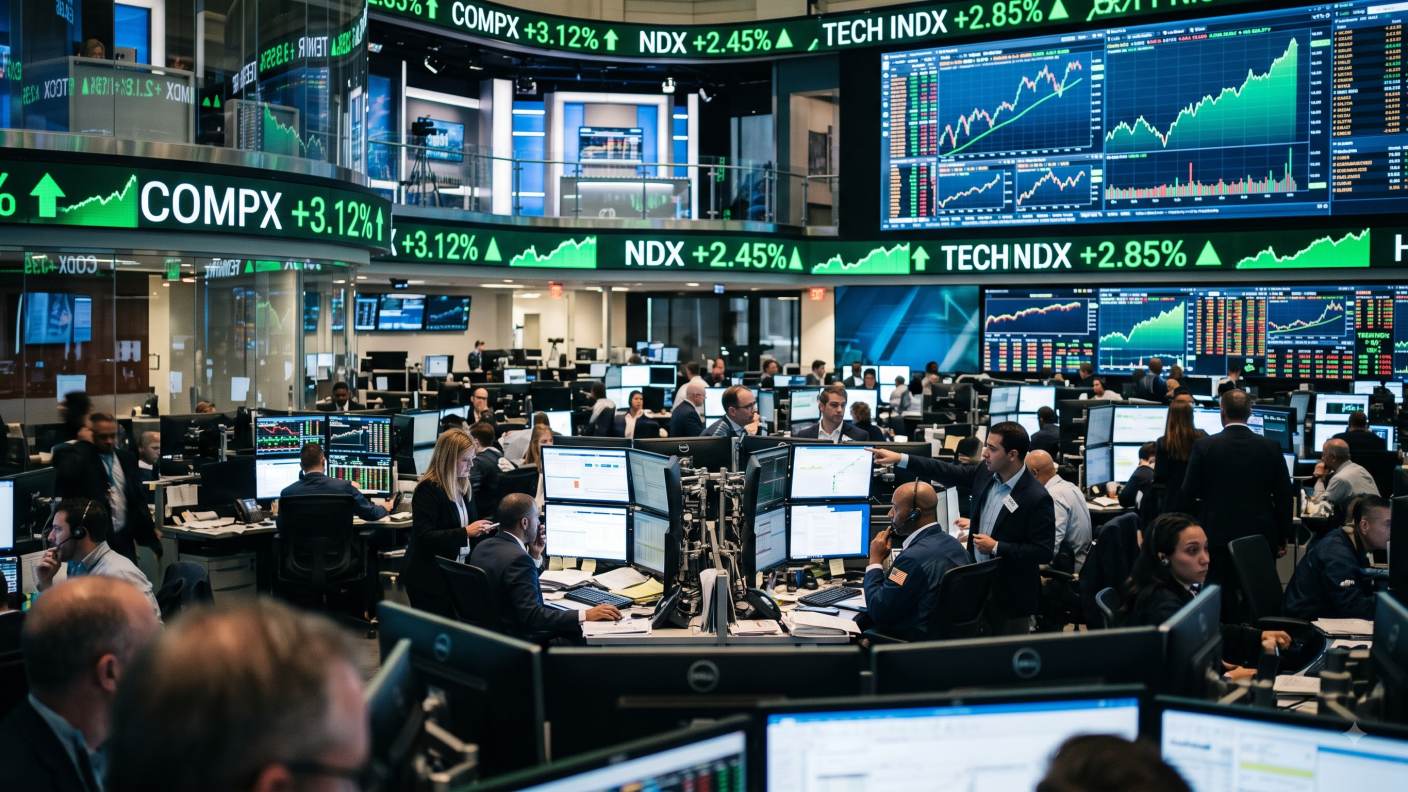
US technology shares rebounded on 6 November 2026, but the Nasdaq Composite recorded its fourth straight weekly decline. Strong October jobs data raised the implied odds of a December Federal Reserve rate move, while reported daily gains for two indexes differed between sources.
US technology shares rebounded Friday, but the Nasdaq Composite still recorded its fourth consecutive weekly decline.
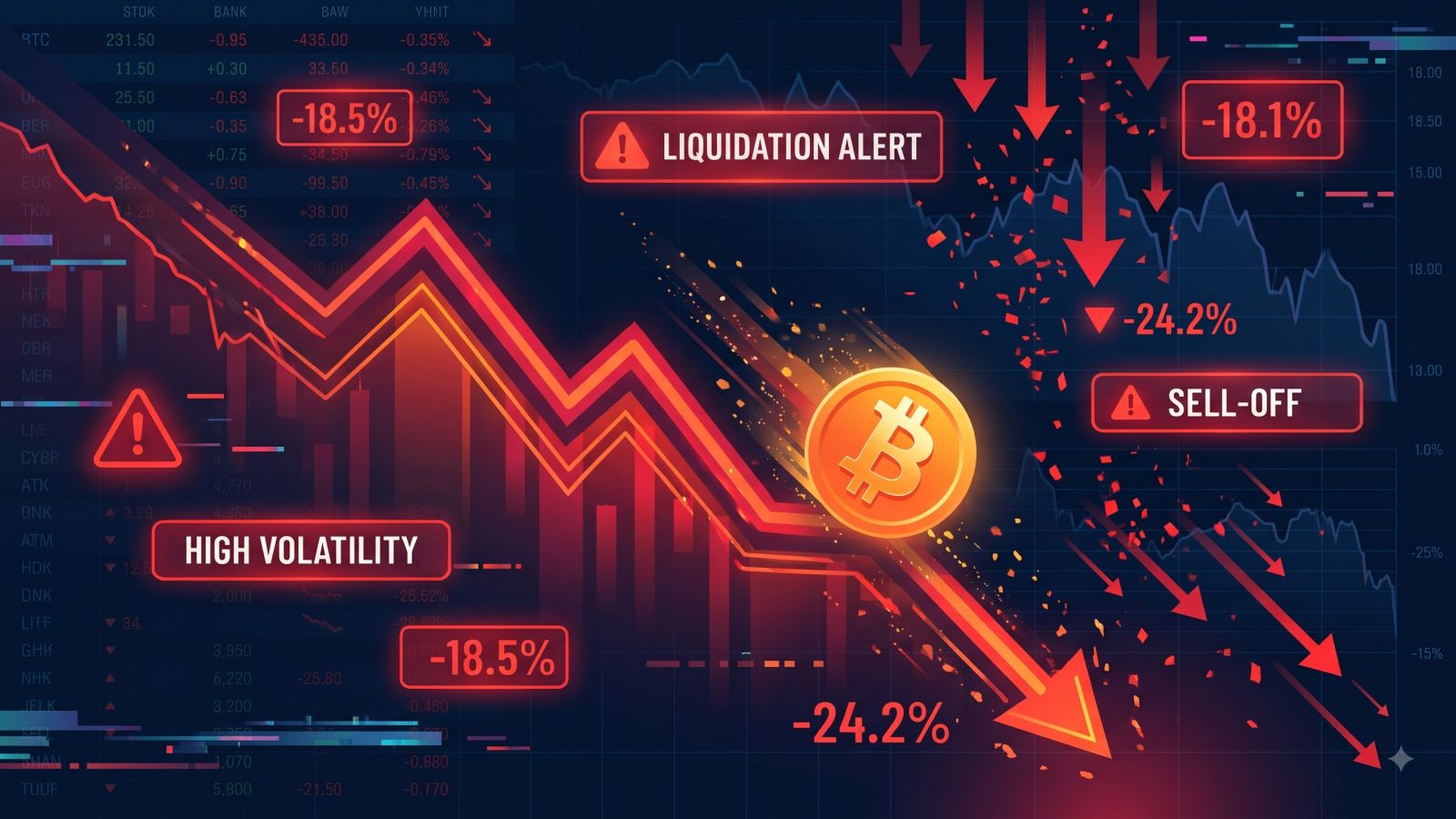
The Nasdaq's losing run followed a selloff that brought the index into correction territory, defined as a 10% decline from its peak a month earlier, as investors weighed the outlook for AI-related shares and the market absorbed stronger October jobs data and changing expectations for Federal Reserve policy.
4Consecutive weekly Nasdaq declines
4.1%US unemployment rate in October
70% to 78%Implied chance of a December Fed rate move
10%Decline from the Nasdaq's peak a month earlier
The S&P 500 rose 0.32% to 7,376.92 points, and the Nasdaq finished 1.09% higher at 24,579.43 points. The Dow Jones Industrial Average slipped 0.46% to 51,286.21 points.
A synopsis from The Economic Times reported daily gains of 1.73% for the Nasdaq and 1% for the S&P 500. These figures differ from the respective gains of 1.09% and 0.32% reported above; the accounts' figures have not been reconciled.
Index
Closing level
Daily gain in one account
Daily gain in another account
Nasdaq
24,579.43 points
1.09%
1.73%
S&P 500
7,376.92 points
0.32%
1%
Semiconductors and information technology led the rebound. Nvidia, Advanced Micro Devices and Sandisk rose, and the semiconductor index rallied; within the S&P 500, consumer staples and healthcare lagged.
October brought a bigger-than-expected rise in US nonfarm payrolls, while unemployment dropped to 4.1%. LSEG said traders lifted the implied odds of a December Fed rate move to 78%, up from 70% earlier.
Will the Fed want to raise interest rates in the face of a market which is teetering?
JSJoe Saluzzico-head of equity trading at Themis Trading in Chatham, New Jersey
The market shakeout began with a spike in long-term US Treasury yields in August and was followed by a month of stock volatility. The selloff brought the Nasdaq into correction territory, while the S&P 500 was headed for its worst week since June.
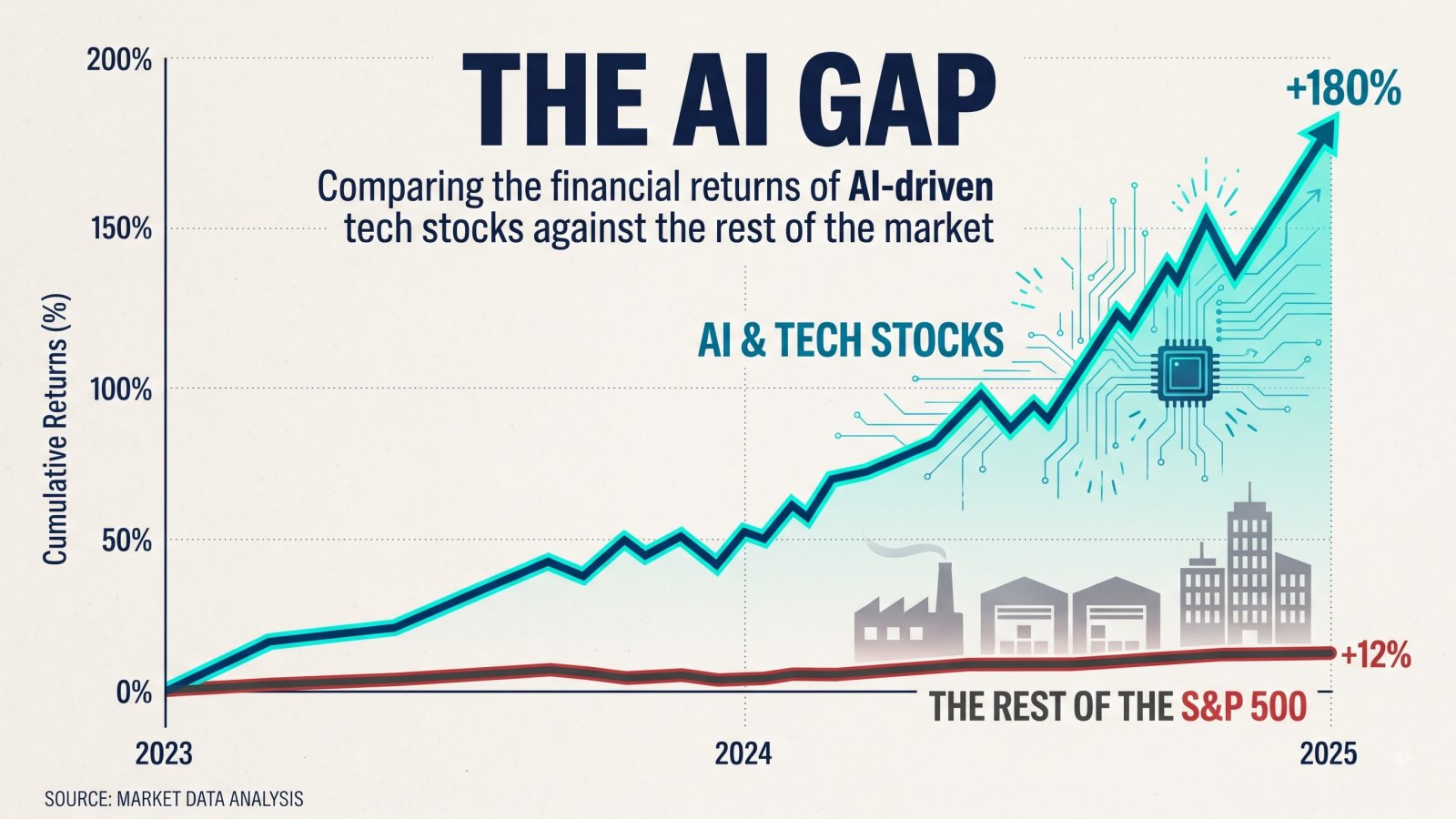
Keith Lerner of Truist Advisory Services said this week's selloff could present many investors with a longer-term buying opportunity. He described AI as the leading theme in the bull market.
We still think AI is the dominant theme in this bull market
KLKeith Lernerchief investment officer at Truist Advisory Services in Atlanta
Copper futures stayed above their 200-day moving average and their September lows. Adam Turnquist of LPL Financial said that resilience was a positive sign for AI infrastructure demand, but cautioned that copper was not a definitive measure.
It’s not a perfect barometer, but I look at it as a reality check.
ATAdam Turnquistchief cross-asset strategist for LPL Financial in Charlotte, North Carolina
The outlook for the AI trade and whether October's jobs strength will persist also remain unresolved.
This article was prepared by the GlobePrism editorial team from the public reporting linked above. How we report
Frequently asked questions
Why did the Nasdaq fall for a fourth straight week?
The index's weekly decline came amid a selloff that took it into correction territory, a 10% fall from its peak a month earlier. Investors were weighing the AI trade and stronger jobs data.
How did US shares perform on 6 November 2026?
One account reported the Nasdaq up 1.09% to 24,579.43 points and the S&P 500 up 0.32% to 7,376.92 points. The Dow fell 0.46% to 51,286.21 points.
Why do reported Nasdaq and S&P 500 gains differ?
The Economic Times synopsis gave gains of 1.73% for the Nasdaq and 1% for the S&P 500. Another account reported 1.09% and 0.32%, respectively; the figures have not been reconciled.
What did market commentators say about AI and copper?
Keith Lerner said he viewed the selloff as a possible longer-term buying opportunity and called AI the dominant theme in the bull market. Adam Turnquist said copper's resilience was a reality check on AI demand, while noting it was not a perfect barometer.