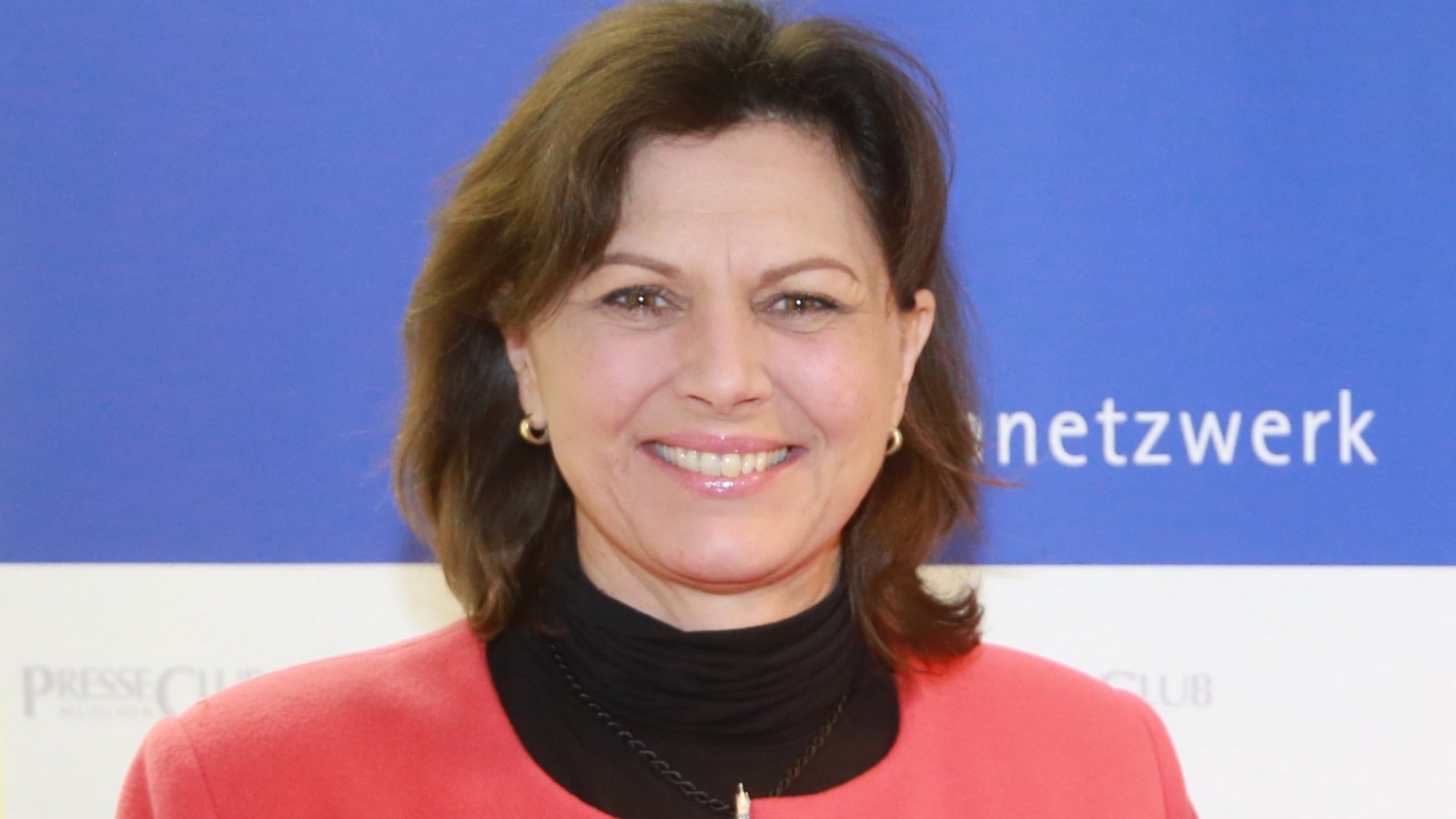
Germany's Christian Democrats have agreed to support Ilse Aigner for president, setting up the Bavarian politician to become the country's first woman head of state.
CDU leader and Chancellor Friedrich Merz's Christian Democrats have agreed to back CSU politician Ilse Aigner for the German presidency, according to German media reports.
DPA said several outlets reported on Friday that the CDU had agreed to back Aigner's nomination, with Merz expected to endorse her candidacy at a CDU leadership meeting in Berlin on Sunday and Monday.
Aigner, 61, is currently the speaker of Bavaria's state parliament.
A CDU spokesperson declined to confirm or deny the reports, referring questions to the committee meetings on Monday.
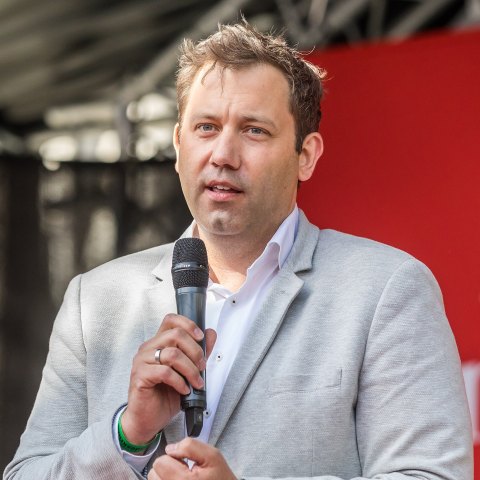
The Social Democrats would welcome and support Aigner's candidacy if the CDU steering committee puts her forward on Monday, SPD chairman Lars Klingbeil said.
If the CDU steering committee does indeed officially assert itself on Monday and put forward Ilse Aigner, then on behalf of the SPD I can only say that we would welcome this and support it
Aigner would be formally elected on 30 January by the Bundesversammlung if confirmed at the CDU/CSU meeting on Monday.
- Sunday-MondayCDU meetings
Merz expected to formally recommend Aigner to CDU steering committee in Berlin.
- 30 January 2027Bundesversammlung vote
Special assembly of Bundestag and state representatives elects president.
- March 2027Transition
Steinmeier's second five-year term ends, new president takes office.
Earlier this year, the CSU proposed Aigner for the role. Merz weighed other options before the CDU agreed to back her, creating tension between the sister parties.
Merz said earlier this week that he wanted a woman to become president. He’s expected to ask the Greens to back Aigner; the party has long advocated greater representation of women in senior political positions.
Ceremonial role with moral weight
Germany's president holds a largely ceremonial, primarily symbolic role, signing legislation into law and formally appointing ministers. Most political and legislative power rests with the chancellor.
What we know
- The president is meant to stand above day-to-day party politics and represent the country at home and abroad.
- The role can act as a moral voice beyond daily politics.
Still unclear
- Whether the Greens will support Aigner's candidacy.
Her supporters regard her ability to find agreement as valuable in a country becoming more divided, where the far-right AfD, which opposes immigration and supports Russia, has reached record popularity.
Aigner has led Bavaria's state parliament since 2018. Her approach to AfD lawmakers there has drawn praise for being both firm and fair.
Aigner recently called for a 'reconciled society', a theme she could pursue as president.
From electrician's daughter to national stage
Born on 7 December 1964 near Rosenheim in Upper Bavaria, Aigner was the youngest of four sisters. Her father was an electrician, and she spent her early adult years working in the family business.
As a young woman, she underwent cancer treatment and surgery to remove a tumour from her back. She studied to become a radio and television technician before qualifying as an electrical engineer, then worked on helicopter electrical systems at Eurocopter from 1990 to 1994.
She's a Roman Catholic, single and has no children.
Aigner began her political career in 1990, serving on municipal and district councils. She joined the Bavarian state parliament in 1994.
She won a seat in the national parliament in Berlin in 1998 and served there for 15 years, holding the agriculture and consumer protection portfolio in Angela Merkel's government when Merkel was chancellor.
At Horst Seehofer's request, she moved back to Bavaria in 2013. She became deputy premier and economy minister under the then state premier, then briefly oversaw housing, construction and transport.
Bavarian warmth and consensus politics
Aigner's approachable Bavarian manner has helped build her political appeal. Wearing a traditional dirndl at beer festivals has also made her well known throughout the state.
Aigner has steered clear of open power struggles and said she’s not someone who cuts others down.
I don't have the killer instinct.
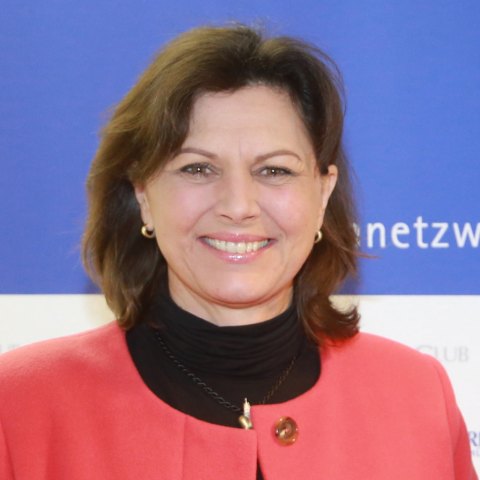
The CDU steering committee is expected to formally confirm Aigner's candidacy at meetings on Sunday and Monday in Berlin.