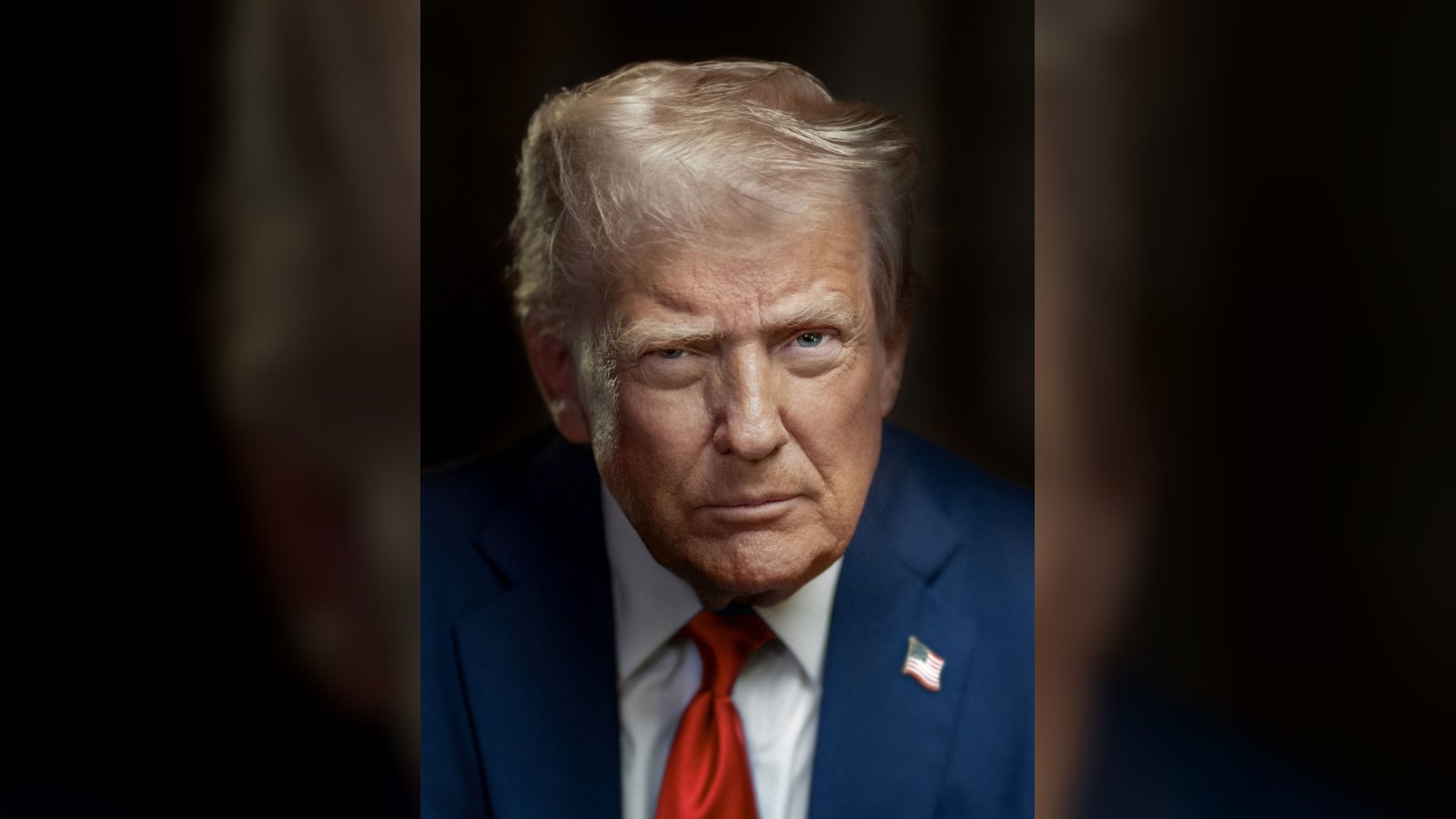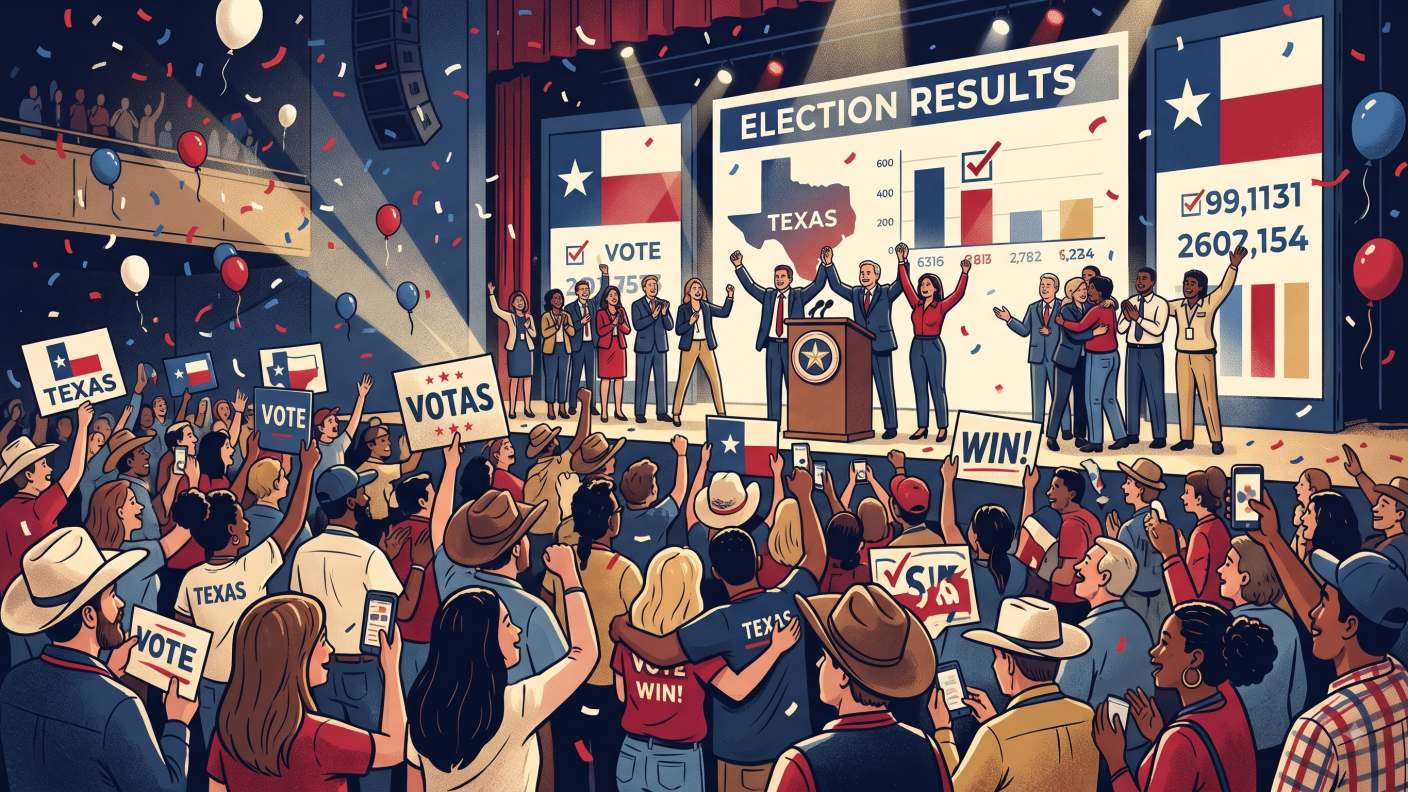
Democrats took the House of Representatives and the Senate in the 3 November midterms, inflicting a heavy defeat on Trump's Republican Party. The new Congress takes office in January 2027. From then, the two chambers and the White House will be in different hands.
Voters gave the confrontation with Tehran as one reason for turning out, and the result landed in its middle. It also arrived as a new Israeli government is being formed, with a promised end to US military aid to Israel two months away.
The conflict with Iran had already crossed into domestic politics in the United States, helping push up household costs for millions of people.
Vice President JD Vance wrote that the war explained the defeat, and Donald Trump Jr. agreed with him. Vance said there was no mystery about why Republicans lost.
everyone knows why we lost
Vance listed four reasons for the loss, at least two of them about the Middle East: a need to end the war, recast the relationship with Israel and put America first.
Trump has acknowledged in public that the war with Iran contributed to his party's defeat.
What Congress can block, and what it cannot
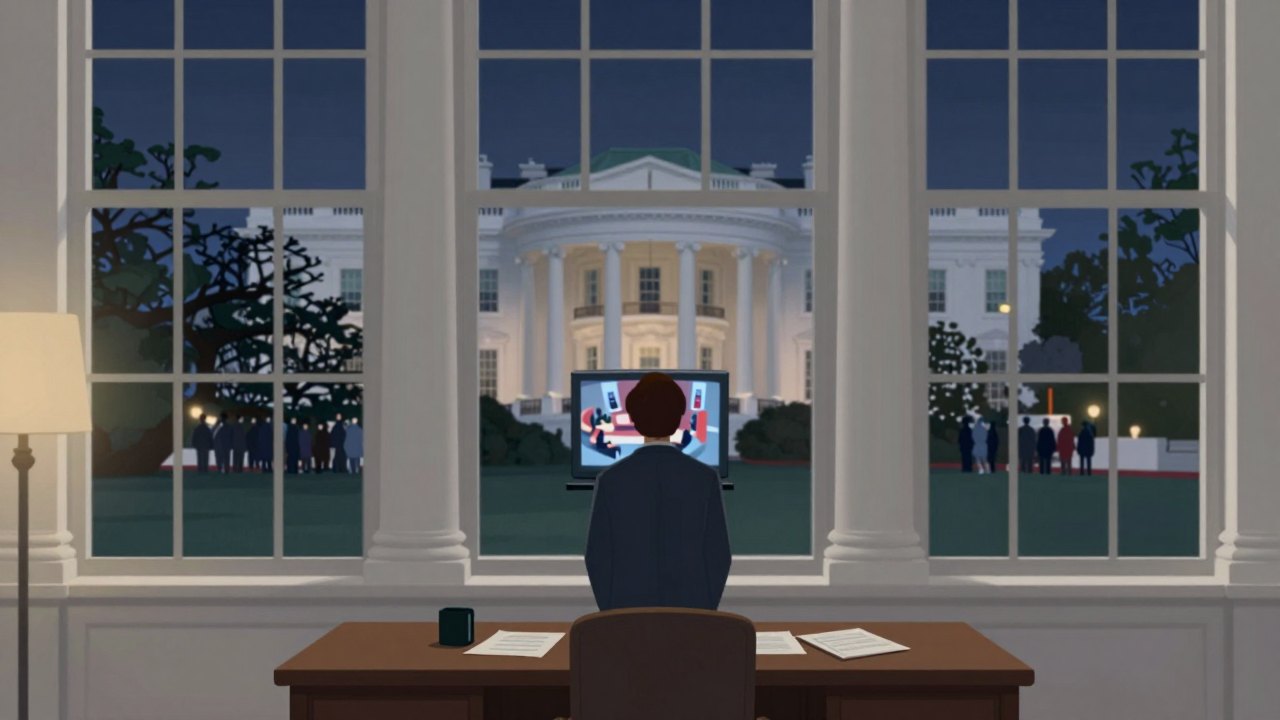
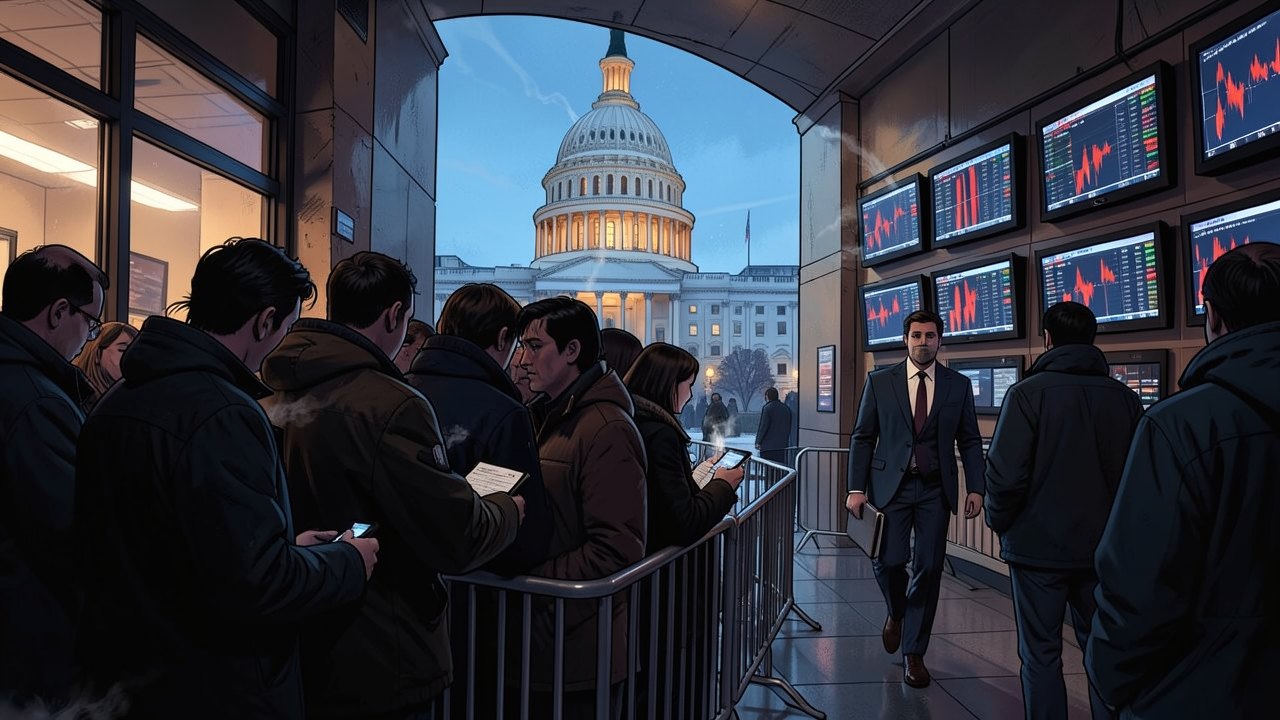
A Democratic majority can stall Trump's domestic legislative programme, but it has far less purchase on a president using his powers as commander in chief.
Where the new majority has leverage on Iran, and where it does not
A Democratic Congress
- Can make funding and political support for a long campaign harder to secure
- Can subject the administration's regional policy to closer scrutiny
- Can stall Trump's domestic legislative agenda
The president
- Keeps wide authority over military decisions
- Keeps wide authority over diplomatic decisions
- Cannot be blocked from acting as commander in chief
On Iran in particular, Democratic control makes money and political backing for a drawn-out campaign harder to obtain, and exposes the administration's regional policy to closer examination.
That is a brake, not a reversal. Trump keeps considerable authority over military and diplomatic decisions, so the election shouldn't be read as an immediate turn in US foreign policy.
The Atlantic Council said Trump's Middle East policies fed both the strong Democratic turnout and the disillusionment of the Republican base.
The immediate danger that Trump would respond to the result by escalating against Iran had receded, though the risk could return once this moment passes.
One US official, quoted anonymously before the vote, put the danger more bluntly.
If he feels embarrassed or disenfranchised he will do something bold.
Before the vote, concern centred on whether Trump would soon restart major military operations against Iran. He had already reviewed war plans and ordered forces sent forward to mount them.
The Atlantic Council said one calculation could pull him back to war: the only exit he may see is to win, if not at once then in the months ahead.
Trump has also made clear he doesn't want two years of deadlock with a chamber he does not control.
I don't want to be just sitting there for two years vetoing everything.
Tehran and the Gulf read the result
In an editorial, The National warned Tehran against treating American divisions as permission to exploit them, intensify confrontation in the region or drag its heels in negotiations.
The same editorial said Iranians have already endured considerable hardship. Their future cannot rest on greater seclusion, proxy conflicts or meddling in Arab neighbours’ affairs.
The editorial concluded that the vote opens room for restraint and fresh diplomacy, and that political upheaval in Washington needn't become a strategic setback for the Middle East.
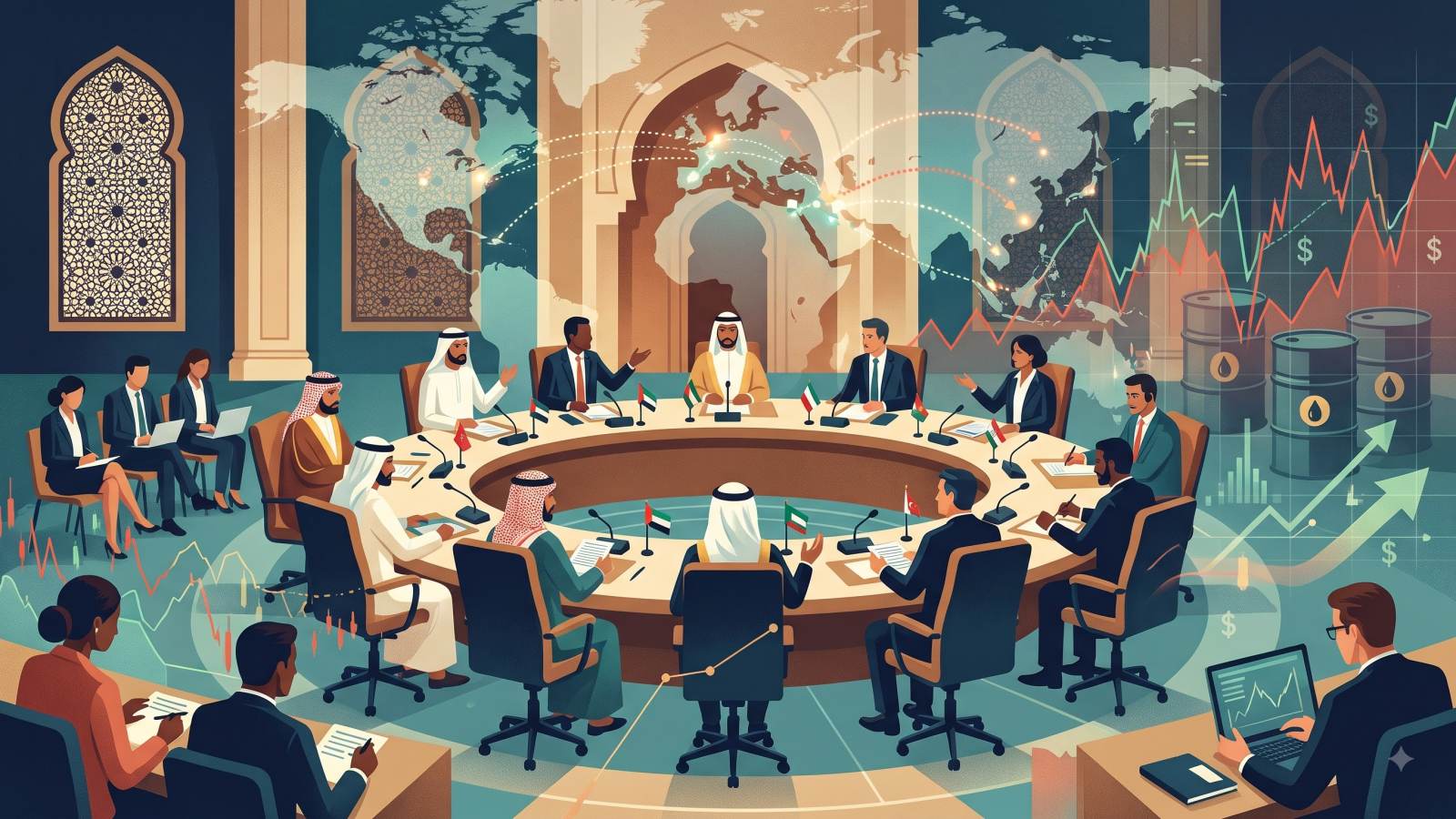
Within days, anxiety was apparent in the Gulf, where several Arab countries held military and civil defence exercises this week. For decades, Gulf states have cultivated ties with politicians across the American political spectrum, expecting administrations and congressional majorities to change while strategic interests remain constant.
Israel, the aid deadline and a new government
On Election Day, Trump chose to announce the end of roughly $4bn a year in US military aid to Israel, to take effect in two months. The declaration startled his political allies in Washington and Jerusalem alike.
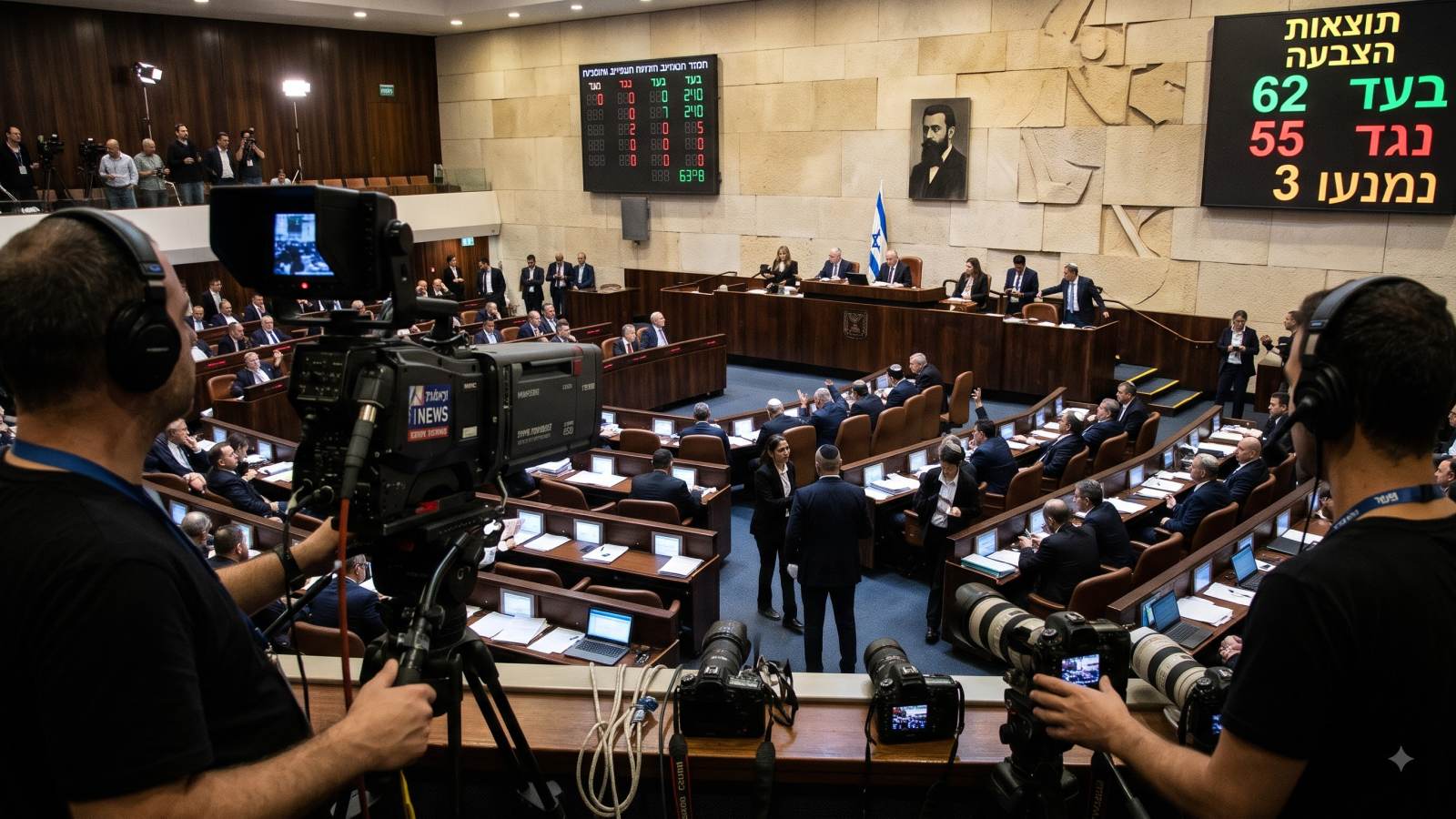
In Israel, Gadi Eisenkot seized on the announcement. After last week's Israeli elections, the opposition leader is expected to get the first chance to form a government.
The Atlantic Council said the Israeli campaign had given little attention to the danger facing US-Israel ties. Making that relationship the next prime minister's first priority will now be necessary.
- 3 NovemberAid announcement
Trump says roughly $4bn a year in military aid to Israel will end in two months.
- Last weekIsraeli elections
Gadi Eisenkot, the opposition leader, is expected to get the first chance to form a government.
- January 2027New Congress
Democrats take control of the House and the Senate.
Further down the ballot, two candidates made history. Adam Hamawy, an Egyptian-American doctor who volunteered in Gaza, won a House seat, and Abdul El-Sayed became the first Muslim elected to the Senate after a campaign in which he faced repeated Islamophobia and anti-Arab prejudice.
Even a large majority leaves the Democrats short of dictating foreign policy. Analyst Troy Stangarone said they can't force Trump to change course without Republican support for the two-thirds votes in both chambers needed to override a veto.
What we know
- Democrats won the House and the Senate.
- The new Congress takes office in January 2027.
Still unclear
- Whether Trump will restart major military operations against Iran, and when.
- Whether a diplomatic agreement with Iran will be reached, and whether it would follow the lines of the previous memorandum of understanding Vance negotiated.
- Whether the next Israeli prime minister will make the US-Israel relationship a priority.
- What the Democratic-controlled Congress will do on Middle East policy once seated.
The new Congress is seated in January 2027. The end of military aid to Israel that Trump announced on Election Day is due within two months.