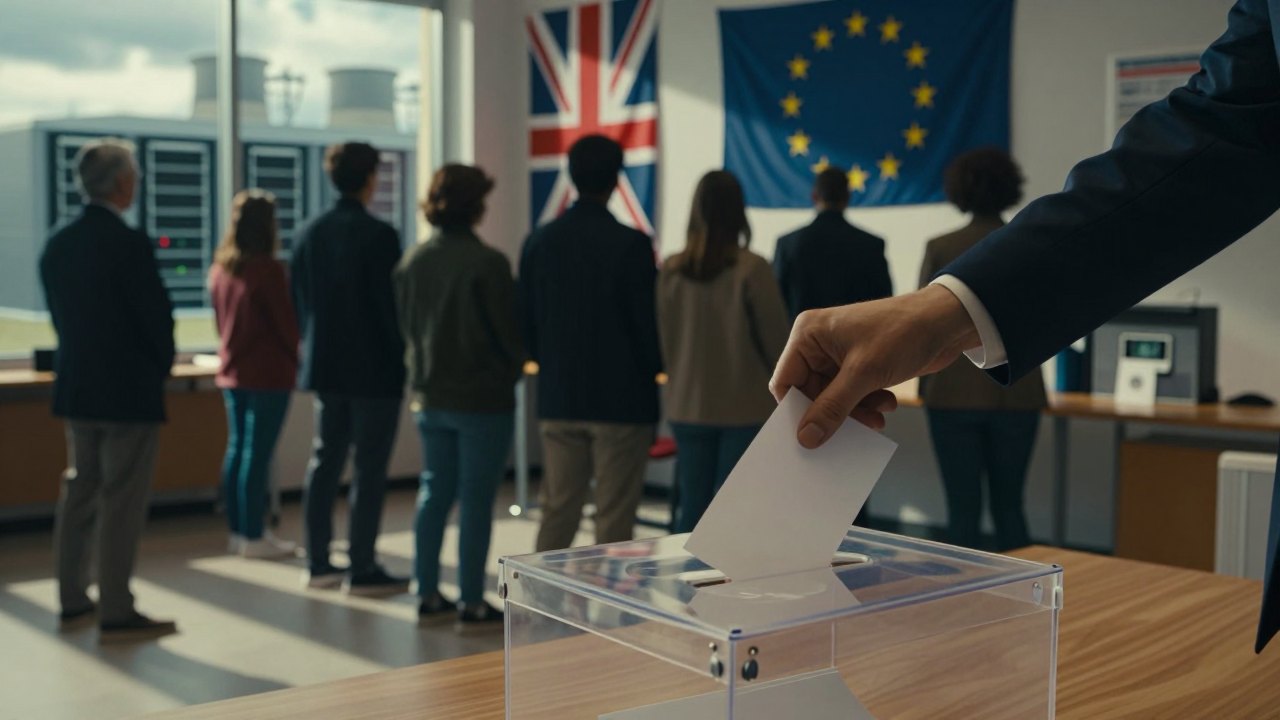
OpenAI unveiled new community trust policies Thursday after voters in ten states decisively rejected data center measures in midterm elections.
Of the 41 data center-related ballot measures voted on this week, all but one went against data centers, according to Ballotpedia. Voters faced the 41 questions in 10 states, and by Wednesday, with most results in, they had sided with the AI boom just once.
| Location | Outcome | Detail |
|---|---|---|
| Harwood, N.D. | Approved | Voters rejected extra review proposal by about three to one |
| Wells, Me. | Rejected | More than 80 percent approved 180-day moratorium |
| Texas, Ga., Ohio | Political Shift | Democrats flipped governorships on regulation promises |
In Harwood, N.D., voters rejected by about a three-to-one margin a measure requiring added review of industrial projects, including data centers. Construction is underway near Harwood, N.D., on Polaris Forge 2, a data center valued at $3 billion.
More than 80 percent of voters in Wells, Me., supported a 180-day moratorium on data center development, which also applied retroactively. The ballot questions covered moratoriums, proposed rezonings and advisory votes for local officials, many of them in Ohio; six other data center questions came before this year's 41, and three more are still to come.
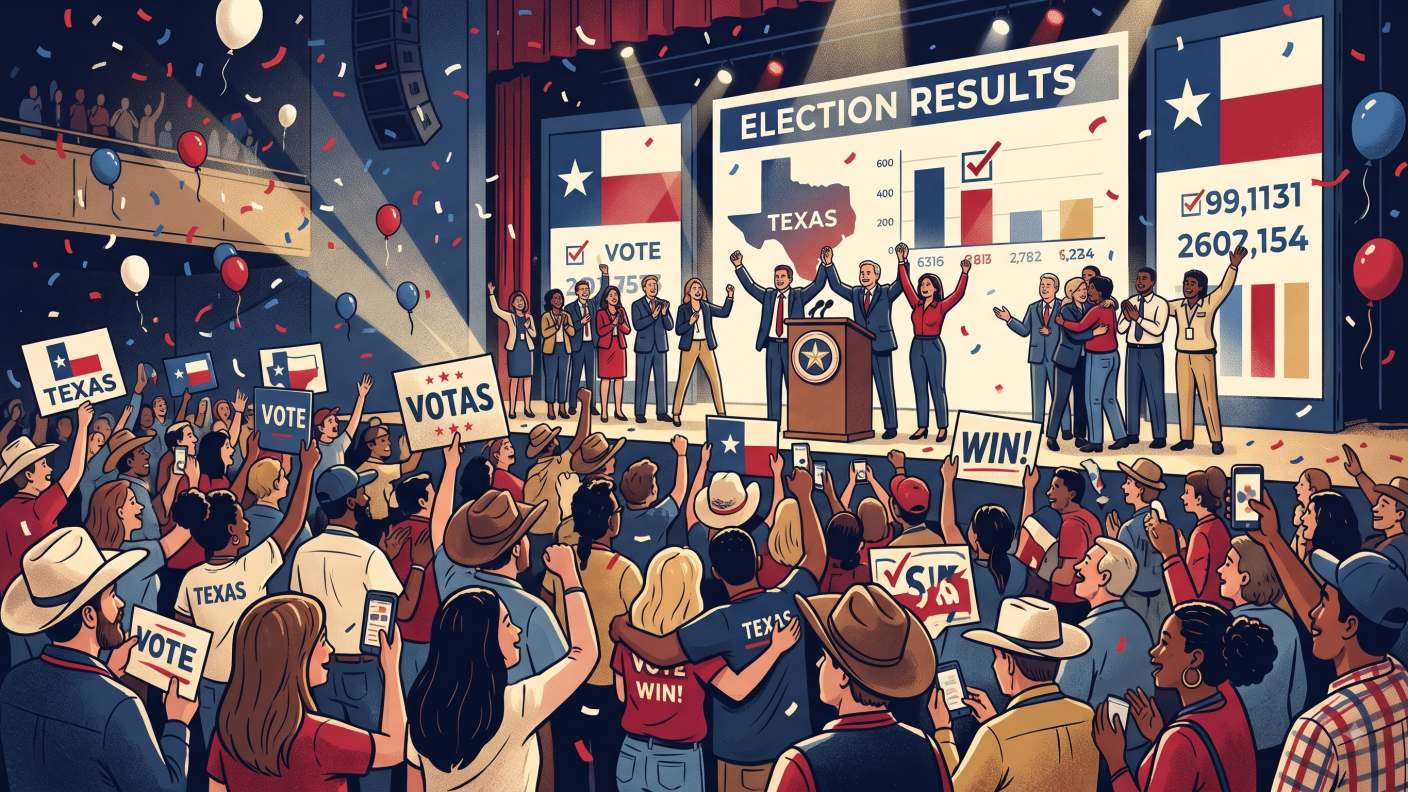
In some of the elections' biggest upsets, Democrats who promised to halt new data center permits and strengthen construction rules won the governorships in Texas, Georgia and Ohio. Oversight was a prominent campaign issue for the three winners: Texas's Gina Hinojosa, Georgia's Keisha Lance Bottoms and Ohio's Amy Acton.
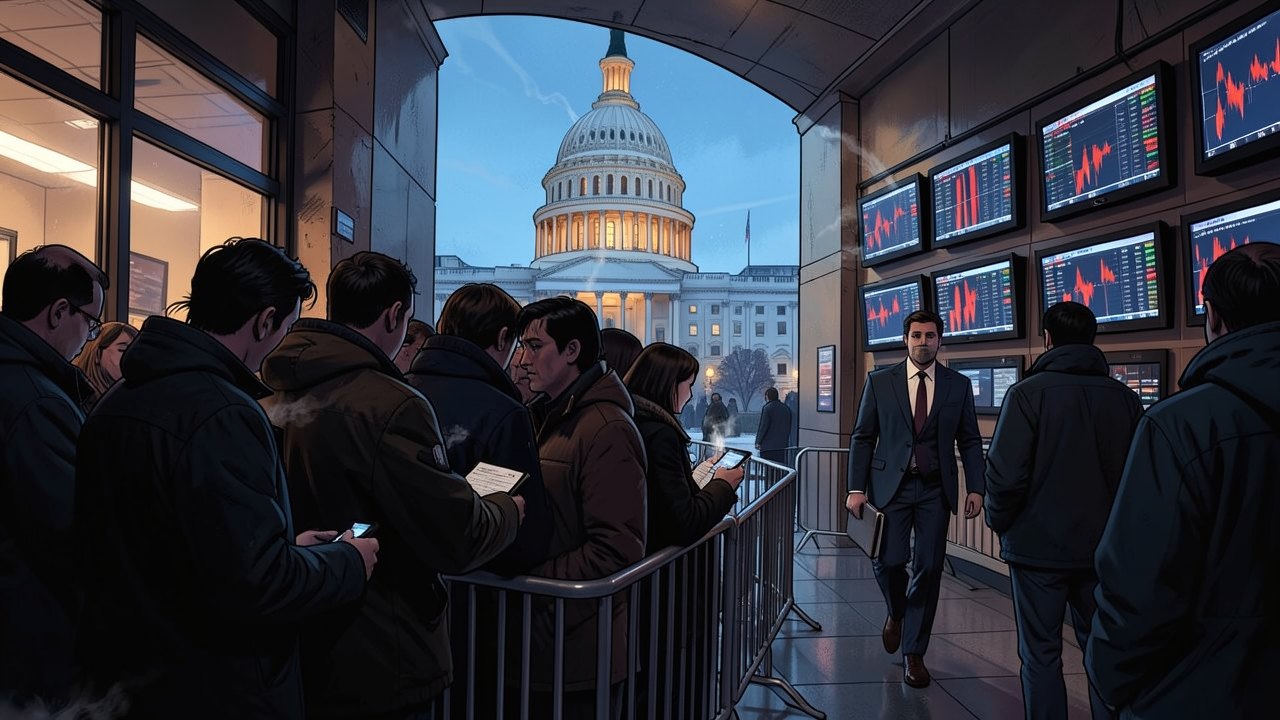
Texas accounts for about a quarter of U.S. data center capacity under development, according to one recent analysis, meaning stricter rules there could slow expansion nationwide. Investors reassessed the outlook for data center operators and power companies on Wednesday, as they considered whether the Democratic sweep would bring tougher permitting, higher costs and slower construction. Many have profited substantially from the AI construction surge. AI data center stocks slid Wednesday as investors grew nervous in the near term.
- 2,500Projected jobs at one Ohio facility
- $80,000Average annual salary
OpenAI said Thursday it would take steps to earn local communities' trust and show them how data centers could benefit them. The policies had been in development since August. The company will stop using non-disclosure agreements with public officials in talks about future data center sites, while still keeping proprietary information confidential. It also plans to let residents review construction plans and possible effects on traffic, noise and lighting.
"These projects are not the types of data centers that people have historically thought about, which are some version of a black box in a pasture that did very little in terms of the economic utility for the communities they were in,"
"We need to do a better job of really communicating to people, to local communities, about why data centers can be beneficial to them,"
OpenAI chief global affairs officer Chris Lehane said the centers would provide continuing employment, as their hardware needs replacing every three to five years. An OpenAI facility in southern Ohio is projected to provide 2,500 long-term jobs, paying an average annual salary of $80,000. Oracle and other partners are constructing and own a large part of the data center infrastructure for OpenAI, with capacity reserved for the startup.
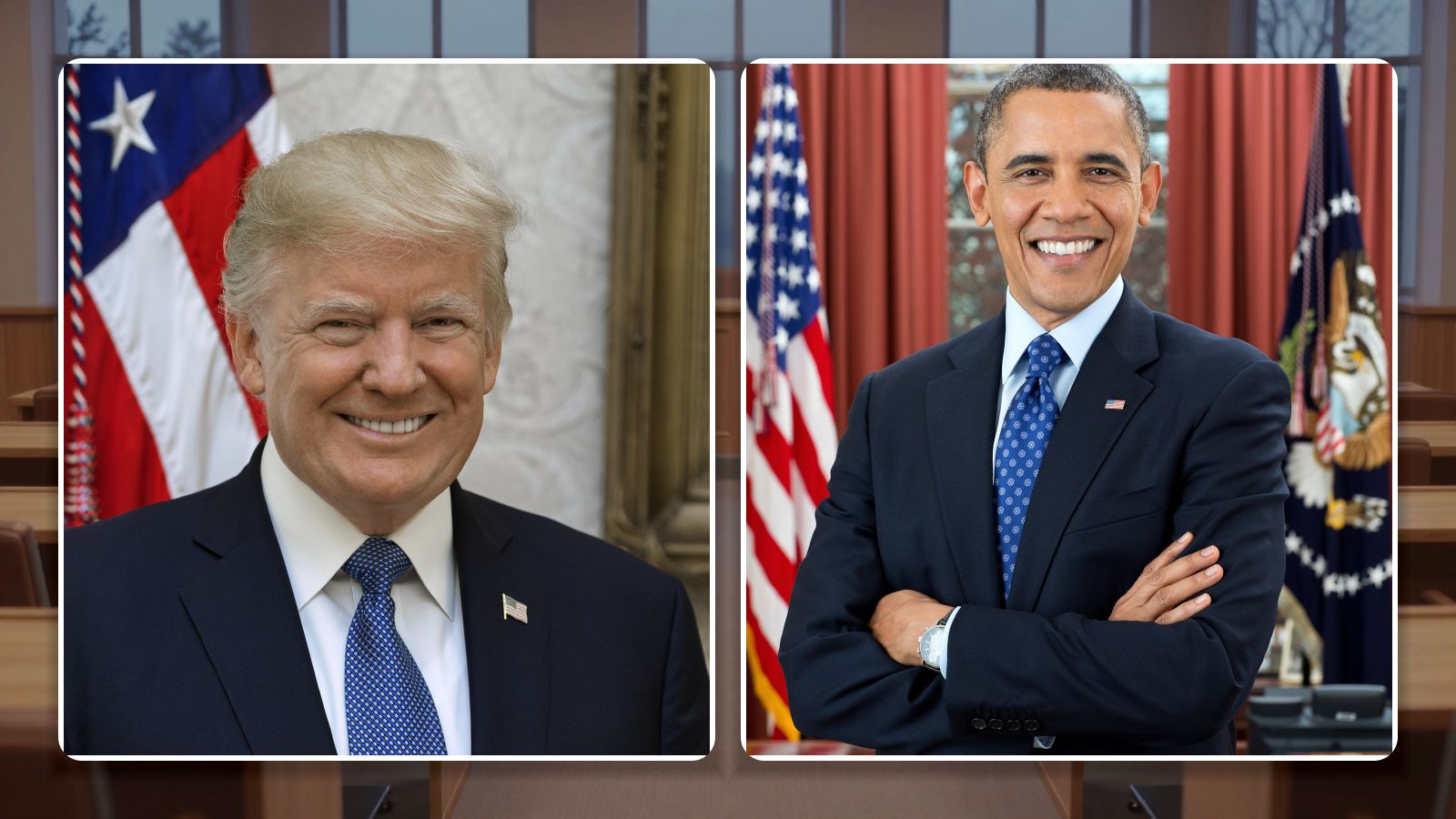
For the past two years, OpenAI officials and other tech leaders have worked to build relationships with the administration of US President Donald Trump, seeking to influence federal AI policy. Sam Altman, OpenAI's CEO, contributed $1 million to the committee for Trump's inauguration and was present at his second inauguration. Last year, OpenAI President Greg Brockman personally donated $25 million to a super PAC supporting Trump.
Asked how the company would respond to skepticism from some Democrats, Lehane cited his long record in the party, including work as a top lawyer and spokesperson during the Clinton administration and as press secretary for Vice President Al Gore during his presidential campaign. He predicted that AI would define the 2028 presidential election, a forecast the results lend weight to.