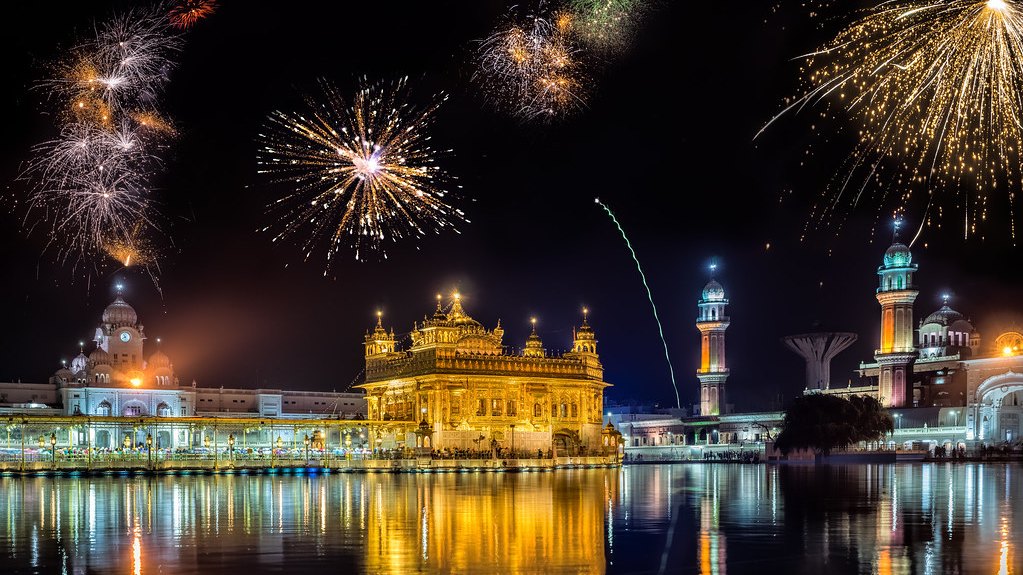
Diwali falls on Nov. 8, with more than a billion people in India and abroad marking the festival of lights through lamps, feasts and prayer.
The night caps a festive run that gathers momentum in October with Navratri and Durga Puja, before moving through Dhanteras into the main celebration. What fireworks do to the air will travel alongside the celebrations again.
- OctoberNavratri and Durga Puja
The festive calendar gathers momentum.
- Nov. 8Diwali
Lamps, feasts and prayer.
India's most important festival, Diwali is celebrated by more than a billion people, among them Hindus, Sikhs, Jains and Buddhists. For all of them, it symbolises the victory of good over evil.
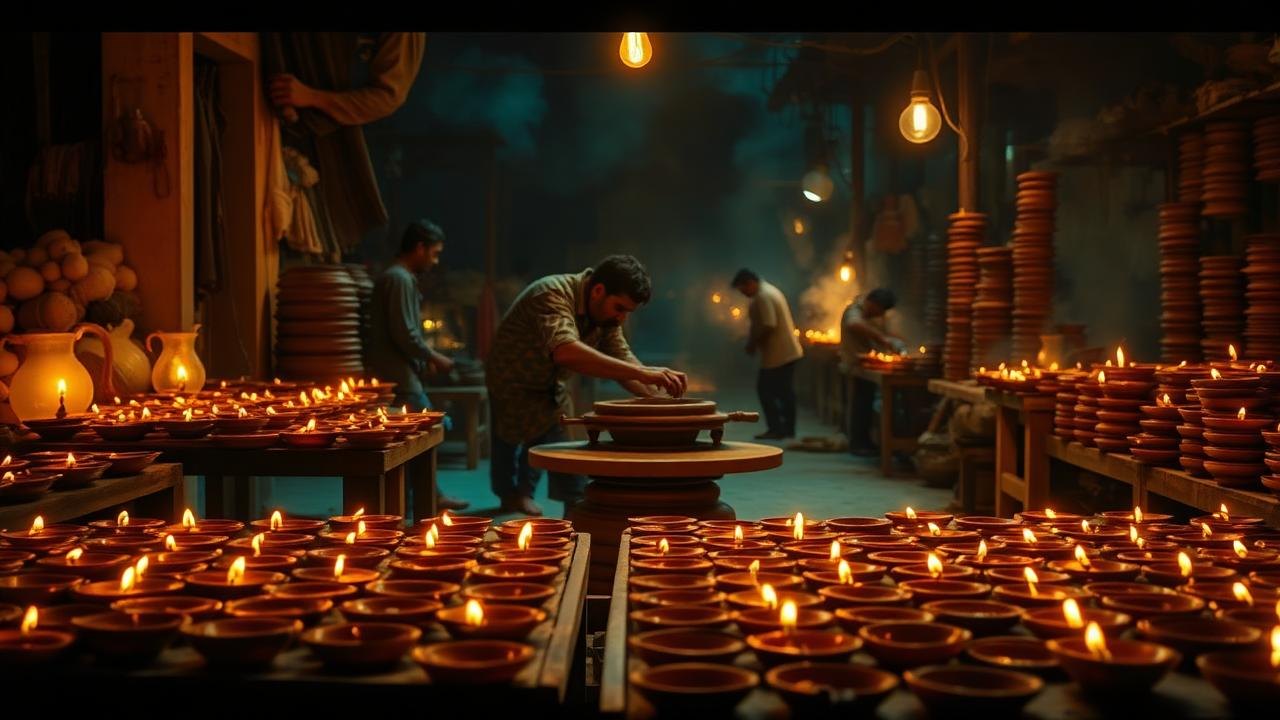
The name comes from Deepavali, meaning a row of lights. Celebrants put rows of traditional clay oil lamps outside their homes, a display that stands for the victory of light over darkness and knowledge over ignorance.
It follows the Hindu lunar calendar, so the festival usually falls in late October or early November.
One festival, several stories
In southern India, Diwali marks Krishna's defeat of Naraka, a demon said to have imprisoned women and tormented his subjects. Across regions, the festival's origin stories share a theme: good triumphing over evil.
The festival in northern India marks the homecoming of Rama, Sita and Lakshmana, his brother, after they spent 14 years in forest exile.
The rituals at the two ends of the country are not the same.
The same night, two traditions
North India
Lakshmi and prosperity
- Worship centres on the goddess Lakshmi
- Lakshmi symbolises wealth and prosperity
South India
An early morning bath
- Many people take an early morning bath with warm oil
- The bath symbolises bathing in the holy River Ganges
- It stands for physical and spiritual purification
Though customs vary by region, lights, fireworks, feasting, new clothes and prayers are common to the celebrations. Households draw rangoli, the geometric and floral floor patterns made with colourful powders, set off firecrackers and exchange sweets and gifts.
Diyas from the kumhaar
A chef and food author, Sadaf Hussain said he loves lighting diyas, meaning earthen lamps rather than decorative Chinese lights, and visits a local kumhaar, or potter, in his area for them.
I light diyas even today. In fact, there is a local kumhaar (potter) I visit for diyas for Diwali.
Hussain put the appeal plainly: "I love lighting diyas."
Sweets at work, gold at home
People of different cultures and religious backgrounds commonly dress in colour-coordinated outfits, exchange sweets and join in the celebrations together at Indian workplaces. They take part, too.
Shagufta Parveen, a celebrant, said her family decorates the entrance to the house with lights on Diwali evening.
We also like decorating our house entrance with lights on Diwali evening,
Well in advance of the festival, her mother buys something new on Dhanteras and starts preparing, Parveen said.
The first day of the festival is Dhanteras. Many people buy gold then, believing it brings good luck.
Diwali is a major religious festival for Hindus. Sikhs, Jains and Buddhists observe it as well, each community for its own reason.
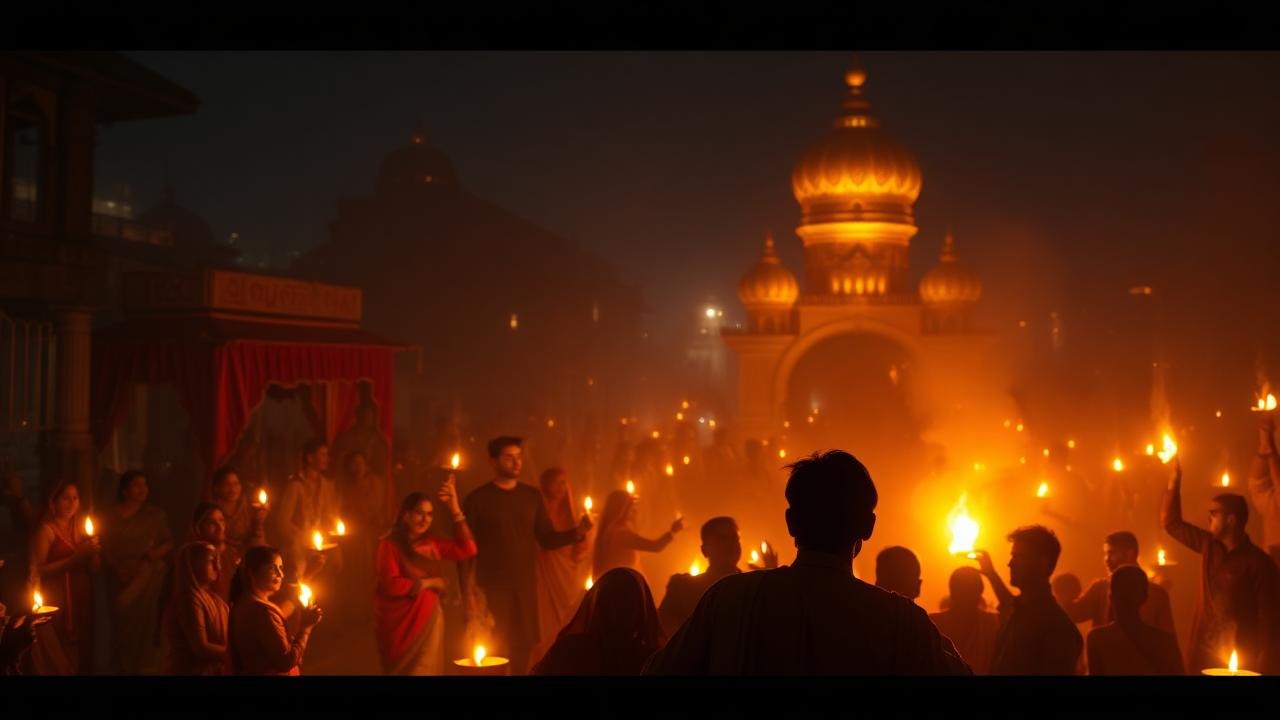
- Jains The day is when Lord Mahavira, the last of their great teachers, attained nirvana.
- Sikhs Bandi Chhor Divas overlaps with Diwali and marks the release of Guru Hargobind from imprisonment under the Mughal emperor Jahangir.
- Buddhists Some mark the anniversary of Emperor Ashoka's conversion to Buddhism in the third century B.C.
The occasion is for hosting friends, sharing a favourite mithai and enjoying a meal together at home.
On Diwali night, many people gamble. They believe that gambling then will bring prosperity throughout the year.
Pollution has become an inseparable part of Diwali conversations today, though it doesn't take away from the festive spirit.
Still unclear
- Whether any city or state has firecracker restrictions or air-quality advisories in force for this year's Diwali.
- How much gold and other goods are expected to be sold on Dhanteras this year.
- Official holiday notifications and crowd or traffic arrangements for Nov. 8.