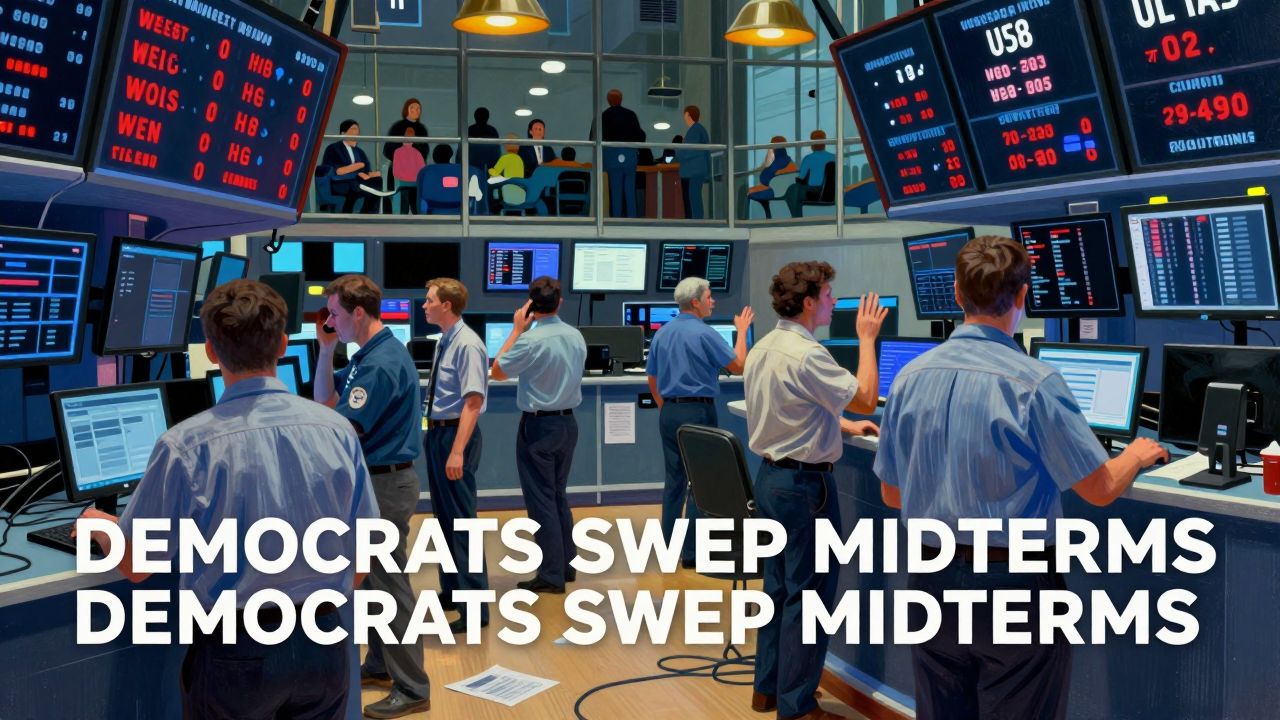
Democrats took control of Congress on a wave of anger over data centres and AI regulation. More than $2 trillion left US stock markets in the 50 minutes after Wednesday's opening bell, among the fastest wipeouts on record.
With unusual force, voters turned against tech expansion, redrawing both chambers. Democrats flipped seven Senate seats and stood to gain as many as 51 in the House, ending two years in which Republicans in Washington deferred to big tech.
Trillions gone in under an hour
Losses ran across every major index. As of publishing, the Nasdaq was down 5.20 percent, the S&P 500 4.07 percent and the Dow Jones Industrial Average 3.28 percent.
| Index or company | Move |
|---|---|
| Nasdaq | down 5.20 percent |
| S&P 500 | down 4.07 percent |
| Dow Jones Industrial Average | down 3.28 percent |
| Anthropic | down nearly 18 percent to $1.738 trillion |
| OpenAI | down over 18 percent to $1.370 trillion |
| Nvidia | all gains for the year erased |
A second reading quoted in the same report put the S&P 500 down 2.7 percent, with every gain since the midterm results given back. The session followed a month in which AI stocks lost $3.46 trillion of market value in October.
In the past month, Anthropic and OpenAI have surrendered more than $700 billion in combined implied valuation. Anthropic fell nearly 18 percent to $1.738 trillion and OpenAI more than 18 percent to $1.370 trillion.
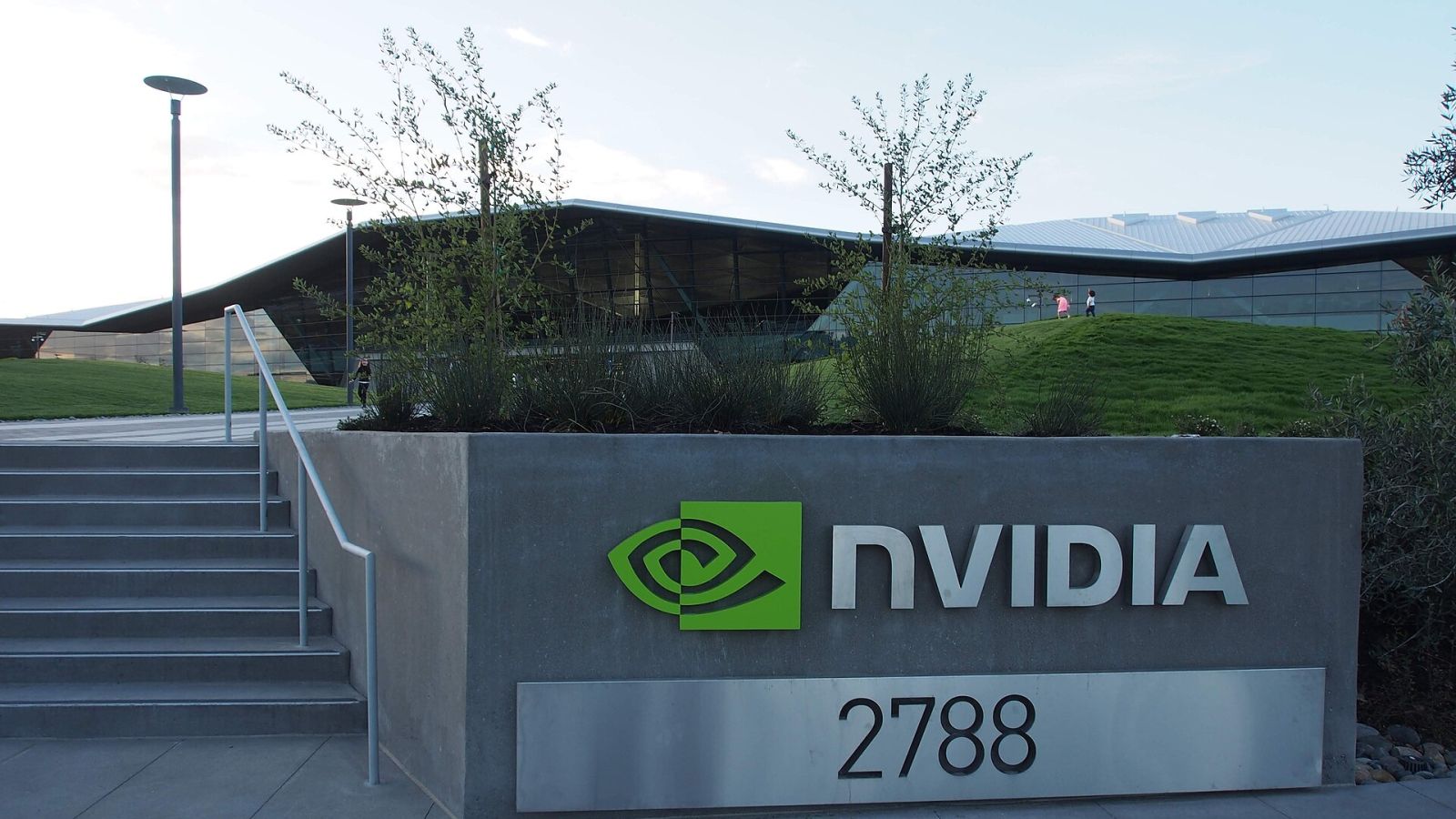
Nvidia lost all of its gains for the year. The chipmaker had sold the bulk of its processors to data centres built to run generative AI programs.
A wave that carried data centres
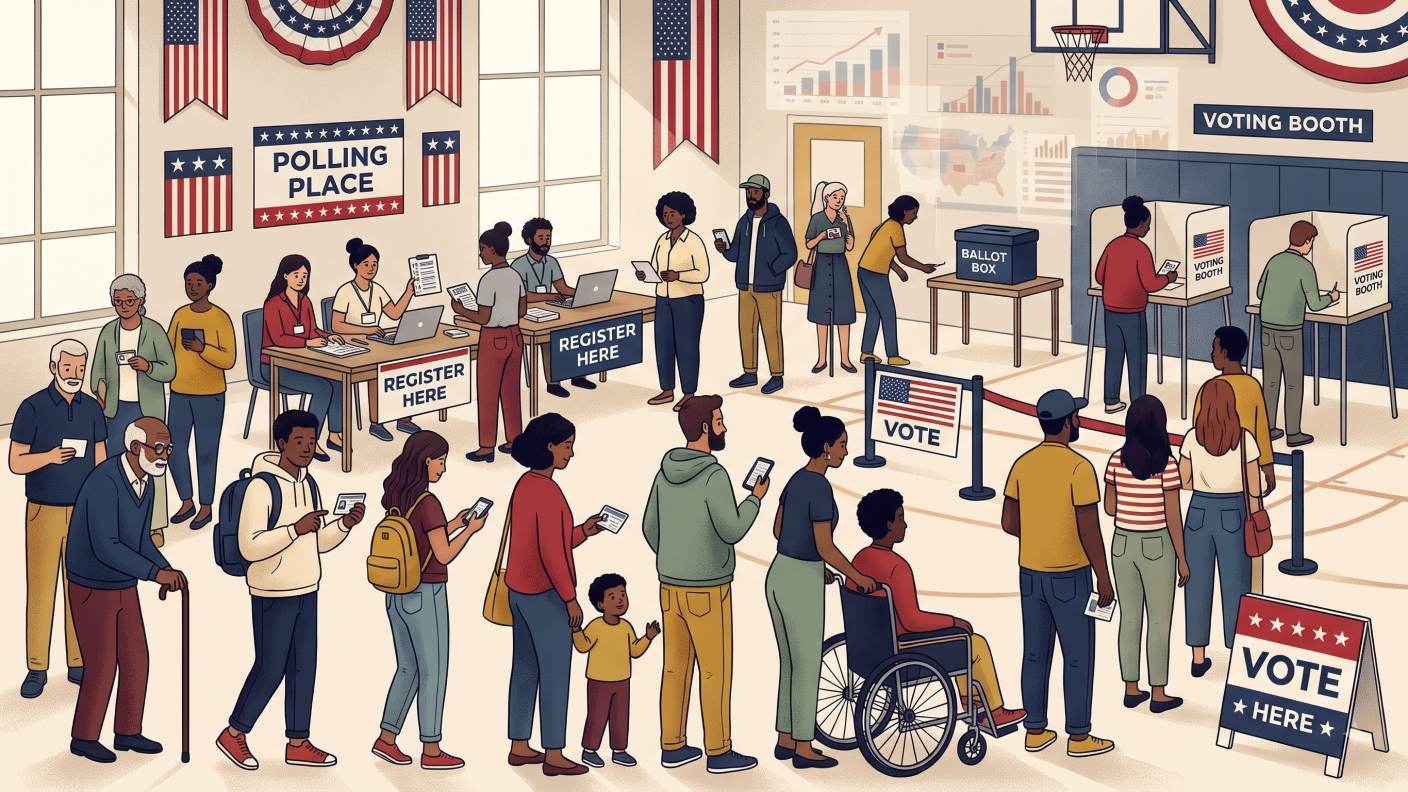
Democrats won the House and the Senate. Georgia elected the country's first Black woman governor, New Mexico the first Native American woman governor, and a Maine senator yielded to a Democrat after 30 years in the seat.
Seven Senate seats changed hands, with nine still possible, a swing that comes to either party roughly once in 50 years. Twenty-eight House seats had flipped by the count so far, and another 23 were leaning Democratic.
One of the night's widest margins came in Texas. James Talarico took 55 percent against Ken Paxton, and Gina Hinojosa became the first Democrat elected governor of the state in more than 30 years by defeating Greg Abbott.
The ballot also covered data centres. Moratoria passed in almost every community where they were put to a vote, and a majority of voters told pollsters they opposed the facilities near their homes.
The data centre vote
Voters polled
NBC News, Tuesday
76%
- Opposed data centres in their communities
Local moratoria
Tuesday's ballots
43 of 44
- Passed
Her state accounts for nearly 30 percent of the US data centre capacity due to come online in 2028, the largest share of any state, research firm SemiAnalysis found. Hinojosa said she'll issue a moratorium, a ban, on all data centre approvals until the legislature passes laws to protect Texans.
Analysts read the results as a verdict on the industry itself.
Data centers were clearly on the ballot
The data center backlash is one of the most bipartisan political issues I've ever seen
Voters had traced their rising bills back to the companies, said Kyle Jacobs-Morse, deputy executive director of The Tech Oversight Project. Democratic campaigns in the Texas, Georgia and Ohio governor races put local costs from data centres, including spillover costs, near the front of their pitch.
Data centers are an entry point to looking at this broader corporate accountability lens of, 'My bill is going up, why?'
State AI laws become politically untouchable
Guru Sethupathy, the general manager of AI governance at Optro, said data centres had clearly been on the ballot.
Now working with the nonprofit Future of Life Institute, Wes McEnany put the outcome in blunter terms. He previously served as deputy labor policy director for the Senate Committee on Health, Education, Labor, & Pensions.
total repudiation
any member who votes to wipe out state AI laws is going to be looking for a job in the next [election]
Many of the incoming leaders campaigned on bringing chief executives to testify.
Companies rethink the buildout
Since Tuesday's results, chief executives have privately discussed significant constraints on computing capacity, particularly at OpenAI, The Wall Street Journal reported. Meta's platforms president Dina Powell McCormick said many companies were weighing moving data centre construction abroad.
World Liberty Financial's WLFI tokens lost about 6 percent in 24 hours and his namesake memecoin about 19 percent, according to CoinGecko.com. Trump-linked holdings fell with the market. Trump Media & Technology Group shares dropped 25 percent, and the DJTU exchange-traded fund declined almost 50 percent.
Crypto miners and data centre operators were hit harder still. Galaxy Digital lost nearly 17 percent, Hut 8 fell 23 percent, MARA Holdings about 4 percent, and Cipher Digital, Core Scientific and IREN at least 10 percent each.
The company had complied with all applicable US laws and regulations since it began, said David Wachsman, a spokesman for World Liberty Financial, calling it troubling that Congress might target a compliant company.
It's a reflection of both the drop in cachet and the likely investigations/prosecutions in the pipeline
Acheson also said mining stocks were taking a hit from the changed outlook for data centre construction.
Any slowdown in the buildout could put significant stress on AI-linked neoclouds, as financing costs will mount even as revenues are pushed back
Brian Dobson of Clear Street, where he leads disruptive technology equity research, said a shift in political control in Texas could bring more data centre regulations. He expected established incumbents with strong records as good corporate citizens to benefit.
The selloff looked like an overreaction, said Adam McCarthy, head of research at trading firm LO:TECH, because Bitcoin mining firms were better placed than before.
They already have the infrastructure built and have been repurposing it, if the Dems are stricter on the AI build out that could potentially make existing infra more valuable.
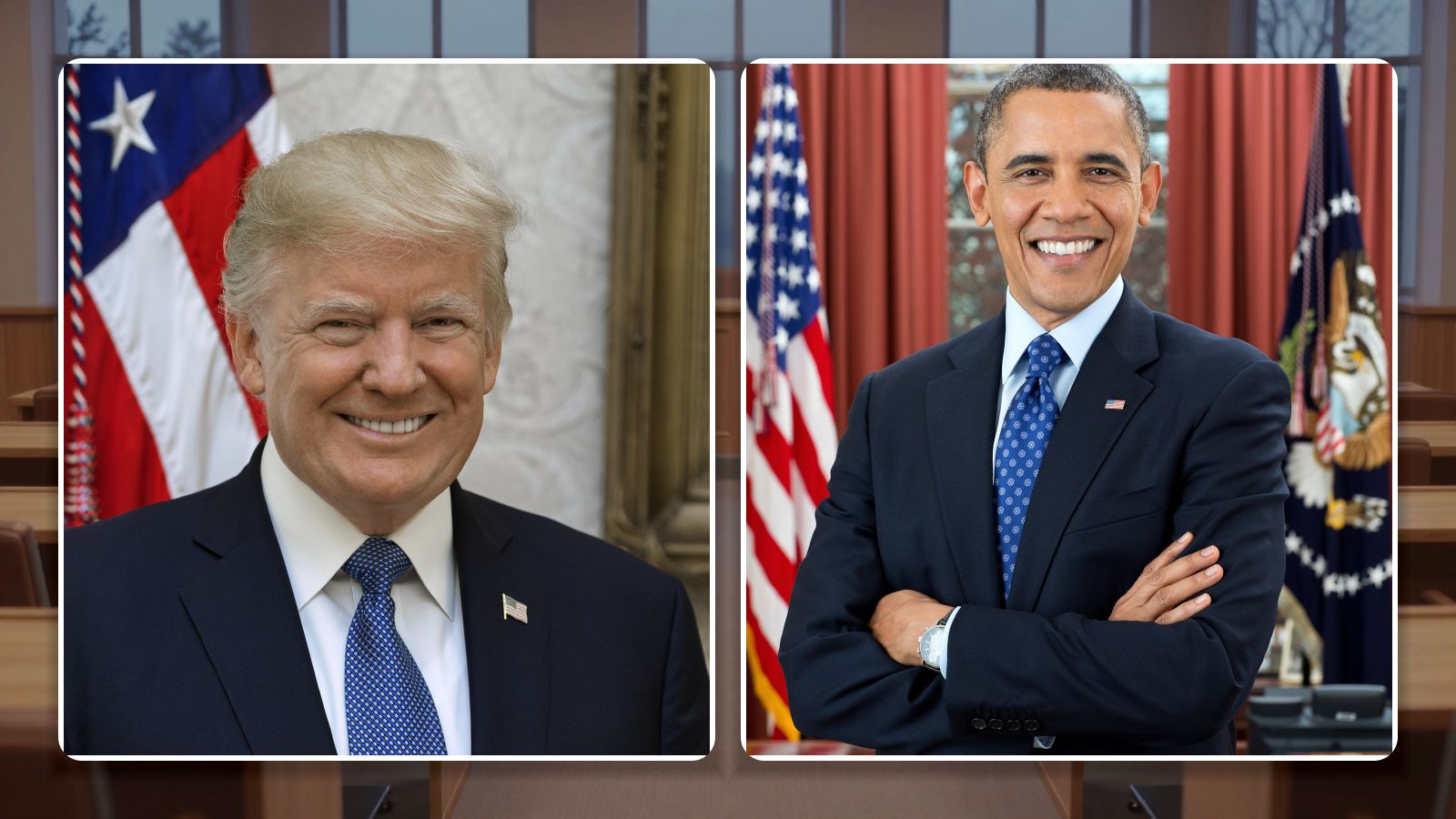
Trump accepted the results quickly, and his comments that he was eager to work with Democrats suggested he'd to some degree accepted his lame-duck status. The outcome sets up a two-year contest for power between his White House and the incoming Congress.
Counting continued in Alaska, where the margin was 65 votes, and in Mississippi, where the two sides were virtually tied. Those results will settle the final size of the Democratic majorities.
What we know
- Democrats won control of the House and the Senate.
- 43 of 44 local data centre moratoria passed on Tuesday.
- As of publishing, the Nasdaq was down 5.20 percent.
Still unclear
- Whether the drop is a correction or a sign that the AI bubble is close to popping.
- How the selloff will affect the wider US and world economies.
- Whether the new Congress will put AI regulation ahead of other priorities.
- The final size of the Democratic majorities, with results awaited in Alaska and Mississippi.