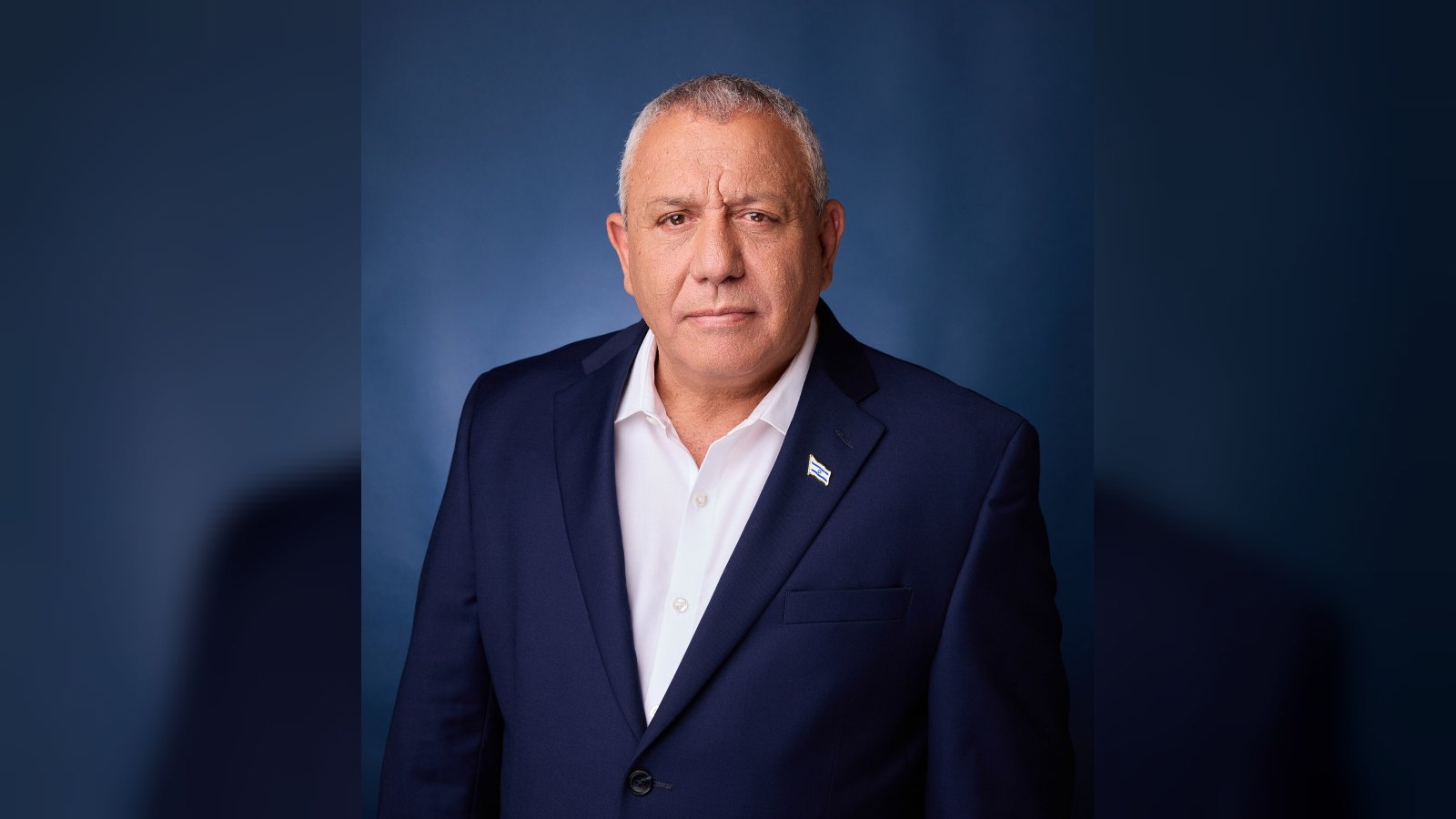
President Isaac Herzog formally gave Yashar leader Gadi Eisenkot the mandate to form a government on Sunday, betting a retired military chief can navigate Israel's fractured Knesset.
At the President's Residence, Herzog held the formal ceremony. Eisenkot now has 28 days to form a government, and the president may add up to 14 more days if needed.
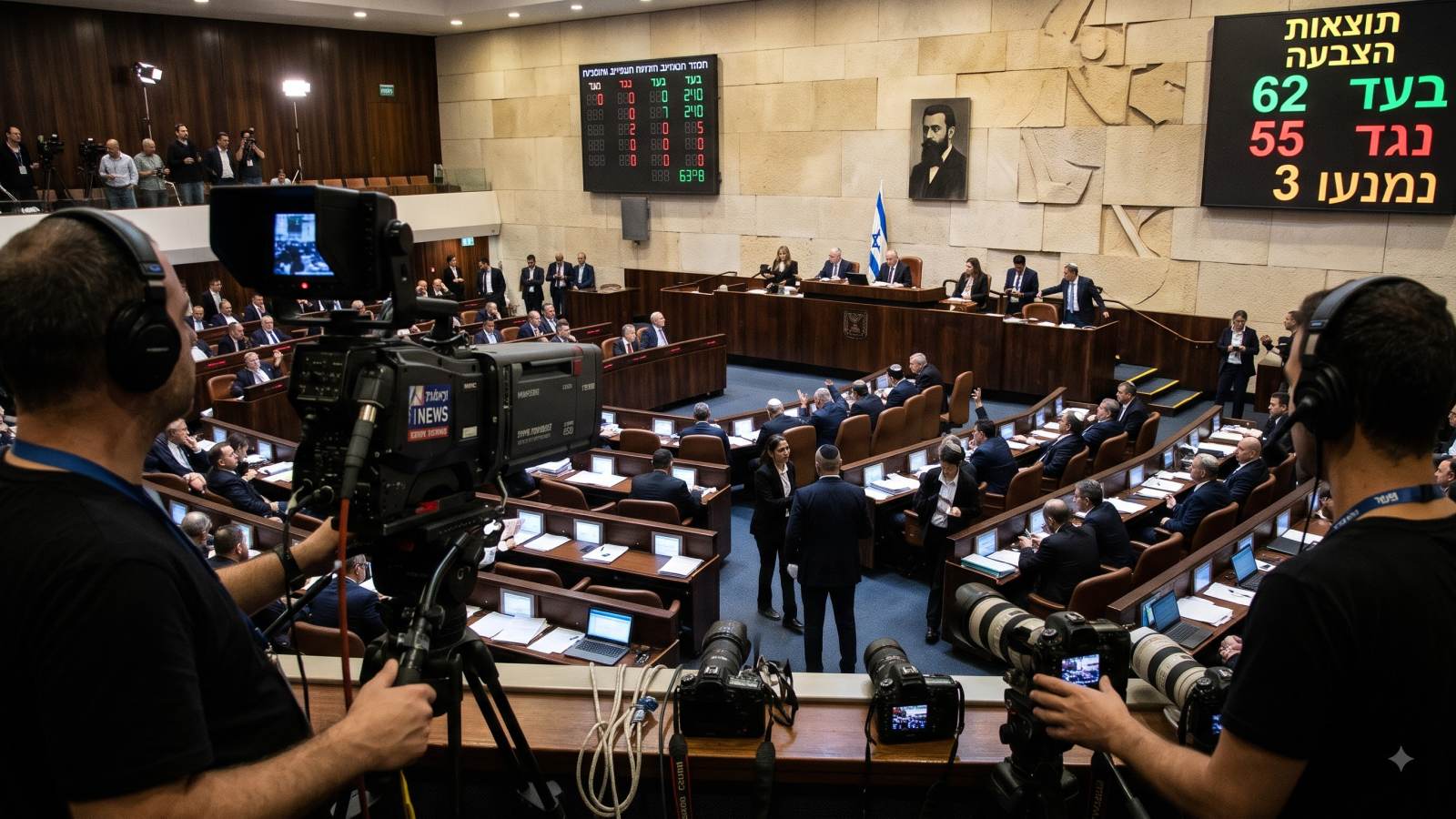
The 27 October election delivered no majority to either political bloc, with Netanyahu's bloc winning 53 seats and the opposition 48 of the 120 Knesset seats. Both fell short of the 61 needed to govern.
During consultations with all parties, Eisenkot received 67 recommendations and Netanyahu received 46. Herzog said more Knesset members clearly and unequivocally believed Eisenkot was better placed to form a government.
The Arab parties Ra'am and the Joint List, which together won 19 seats described by the Jerusalem Post as record-breaking, both backed Eisenkot's candidacy. Netanyahu's Likud remained the largest single faction with 27 seats.
In Netanyahu's bloc, Likud, Otzma Yehudit, Religious Zionist Party, Zehut and Shas recommended Netanyahu. United Torah Judaism, a longtime Netanyahu coalition partner, declined to recommend any candidate for prime minister.
I expect you to do everything in your power to establish a government that will serve the entire people.
At the ceremony, Eisenkot outlined the scale of the challenge, saying Israel faced an emergency and was nearing a point beyond which the state couldn't recover. He told assembled lawmakers: "We must establish a national emergency government. Creative and unconventional political steps will be required."
The coalition puzzle
Eisenkot laid out four principles as conditions for joining his coalition, and said his door was open to all Knesset parties that accepted them. For Arab parties, he set specific conditions: recognition of Israel as a Jewish state and declaring Hamas a terrorist organisation.
On the military draft question, Eisenkot proposed requiring national service for all Israelis while allowing a civilian option instead of military service, which could open the door to integrating the ultra-Orthodox. Avigdor Liberman of Yisrael Beiteinu, one of Eisenkot's potential partners, reversed a previous position on Friday, saying he was open to discussions on a law enshrining an exemption for ultra-Orthodox Jews from mandatory military service.
Yet obstacles remain. Yisrael Beiteinu said it would refuse to enter a coalition that includes Arab-led parties, and Liberman made clear he won't sit with Eisenkot if Eisenkot relies on Israeli-Arab votes. Opposition party leaders have recently opened negotiations with the haredi parties after previously ruling out partnering with them, signalling a possible shift in coalition politics.
Netanyahu's path
On Saturday night, Netanyahu called for a national unity government with Eisenkot, but whether the two rivals can reach a power-sharing deal is uncertain. He said a potential coalition between opposition parties and Arab lists would dismantle the state from within and urged a unity government of all Zionist parties that want to safeguard the state.
dismantle the State of Israel from within
The Central Elections Committee and Herzog said the vote was valid, and that any wrongdoing didn't significantly affect the result. Netanyahu has said Arab parties rallied supporters to vote in large numbers and that the election was stolen, but has offered little to no evidence. The Shin Bet, Israel's security agency, is investigating possible foreign interference in the vote.
Eisenkot on Friday called Netanyahu a threat to the very existence of Israeli democracy, heightening the animosity between the two potential partners.
Who is Eisenkot
Eisenkot, 66, was military chief of staff from 2015 to 2019 and commanded the military during the 2006 war with Hezbollah, when he devised the so-called Dahiya doctrine. His Yashar party urged Netanyahu's allies and Likud members to publicly end their alliance with what the party called extremists, and back a unity government under Eisenkot.
The constitutional timeline
- 8 Nov 202628 days begin
Eisenkot starts his mandate to form a government.
- Within 28 daysFirst attempt
Eisenkot must present a government to Herzog for a confidence vote.
- If neededExtension
President may add up to 14 more days to the first mandate.
- If first failsSecond candidate
Another Knesset member gets 28 days with no possibility of extension.
- If second failsMK nomination
At least 61 MKs can ask the president to assign task to a lawmaker for 14 days.
- If all failNew election
The Knesset is dissolved and another election is held.
Israel held five elections between 2019 and 2022 because of repeated deadlocks. Netanyahu faces corruption charges and potentially jail if he leaves office. The International Criminal Court has issued an arrest warrant against him over the Gaza war; he rejects the court's authority.
What we know
- Eisenkot received 67 recommendations versus Netanyahu's 46.
- The Arab parties Ra'am and the Joint List won 19 combined seats.
- No bloc achieved a 61-seat majority.
Still unclear
- Whether Eisenkot can secure 61 Knesset votes and which coalition path he will pursue.
- Outcome of the Shin Bet investigation into alleged foreign interference in the election.
- Whether deadlock will force a sixth Israeli election in seven years.