A magnitude 5.7 earthquake struck central Japan early Friday, injuring at least 22 people and slowing bullet trains.
The quake centred in Shizuoka Prefecture hit a densely populated corridor between Tokyo and Osaka. Authorities warned residents to prepare for possible stronger tremors over the next week, though no tsunami threat emerged.
| Source | Magnitude | Injuries |
|---|---|---|
| Japan Meteorological Agency | 5.7 | — |
| US Geological Survey | 5.5 | — |
| Local media | — | At least 22 |
| Kyodo (citing authorities) | — | More than 20 |
| Chunichi Shimbun / Tokai TV | — | At least 24 |
| Aichi emergency official | — | 16 reports |
Japan's Meteorological Agency put the quake at magnitude 5.7, whilst the US Geological Survey reported it at magnitude 5.5.
At least 22 people were injured, according to local media. Some of the injured fell on stairs whilst trying to flee buildings.
No deaths were reported, authorities said.
The shaking was felt over a wide area near Aichi Prefecture, including Hamamatsu, Kyoto, Nara, Yamanashi, where Mount Fuji is located, and Gifu. Tokyo, far from the epicentre, wasn't affected.
Japanese TV footage showed glass strewn across streets and shop windows broken. Books had spilled from the shelves in large piles at one bookstore, and windows at a car dealership in Toyohashi city in Aichi were also shattered.
Shizuoka authorities said three or more women received emergency medical care. One was a woman in her nineties who fell from her bed during the shaking and hurt her shoulder.
An emergency official in Aichi told AFP that authorities had received 16 reports of mostly minor injuries.
Transport disruption
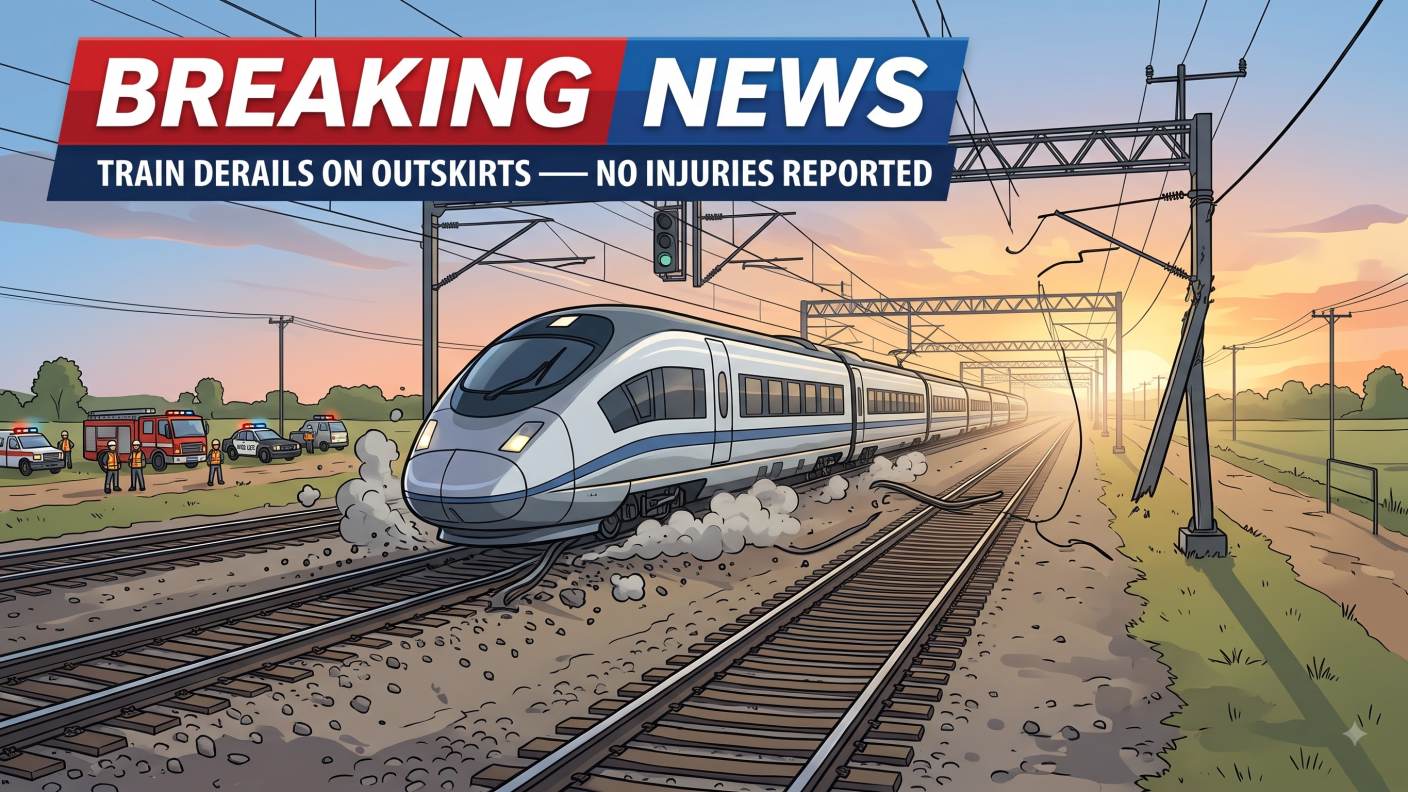
As a safety measure, Shinkansen bullet trains reduced their speed in areas affected by the quake, while some local train services were suspended.
JR Central said safety inspections led to delays for trains traveling on the Tokaido Shinkansen between Shizuoka and Gifu-Hashima stations. The line links Tokyo and Osaka.
Aftershock warning
The Meteorological Agency advised people to prepare for strong earthquakes over the next week. Particular caution was advised for the next two to three days.
Please be on the lookout for mudslides, falling rocks and the possible effects from rainfall
Agency official Ayataka Ebita said officials had found no sign of a change in the Nankai Trough plate, the site where scientists say a megaquake could occur.
What we know
- The Meteorological Agency warned people to be ready for possible strong quakes in the coming week, especially the next two to three days.
- No apparent change has been detected to the Nankai Trough plate.
- Authorities frequently advise residents to stock bottled water, food and batteries, plan to shelter under tables and keep comfortable walking shoes at hand.
Still unclear
- Whether stronger quakes will follow as warned.
- The final injury count across all affected areas.
Seismic context
Japan lies along the Pacific Ring of Fire and records hundreds of earthquakes each year. Authorities often tell residents to keep bottled water, food and batteries in stock, prepare to shelter under tables and have comfortable walking shoes nearby.
A 9.0-magnitude earthquake beneath the sea in 2011 remains a defining event for the country. The resulting tsunami killed or left missing around 18,500 people and destroyed the Fukushima nuclear plant.
A 7.1-magnitude tremor struck the southwestern region in July, killing 38 people. It also levelled homes and left tens of thousands without electricity.
A separate 4.3-magnitude quake struck the Kumamoto region at 10.53am on Sunday, the Meteorological Agency said, with no immediate reports of serious damage or injuries.
Local media reported that a foreign resident in Osaka was taken to hospital after the shaking startled them and they fell from a second-floor apartment. The quake was felt as far west as the city.
Smaller aftershocks followed the main quake.