After barrelling through Andhra Pradesh on Wednesday, Cyclone Arnab left power disrupted across India's eastern coast and at least six dead, one day before officials confirmed the toll.
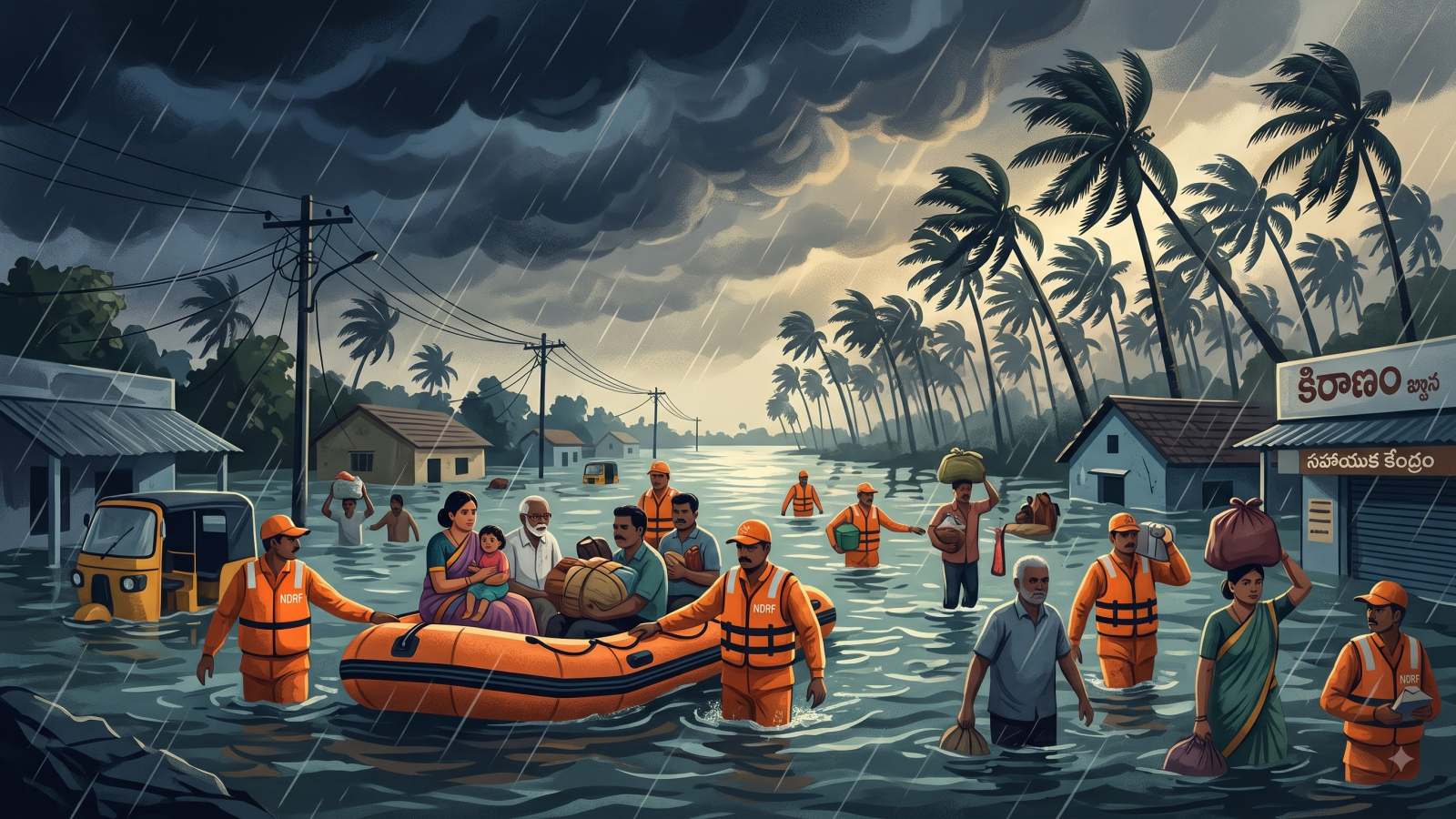
The very severe cyclonic storm, the third-highest category on India's scale, made landfall with 135 kph winds and heavy rain. Early evacuation of 180,000 people from 14 coastal districts limited casualties, state officials said, though damage to crops, homes and infrastructure was widespread across the fertile farming region.
The India Meteorological Department classified Arnab as a very severe cyclonic storm when it made landfall early Wednesday. Wind speeds reached 135 kph, according to state disaster management officials.
Deaths were caused by electrocution and falling trees and houses, officials said. In Visakhapatnam, two women died in separate electrocution incidents. Another person was killed by a falling tree in East Godavari district. The Times of India, citing local officials, put the death toll at nine.
A tropical cyclone developed in the Bay of Bengal, which has brought deadly storms to India's east coast. Cyclone Arnab moved inland early Wednesday and weakened to a severe cyclonic storm. Officials said winds were expected to ease further as it continued inland.
Scale of destruction across the region
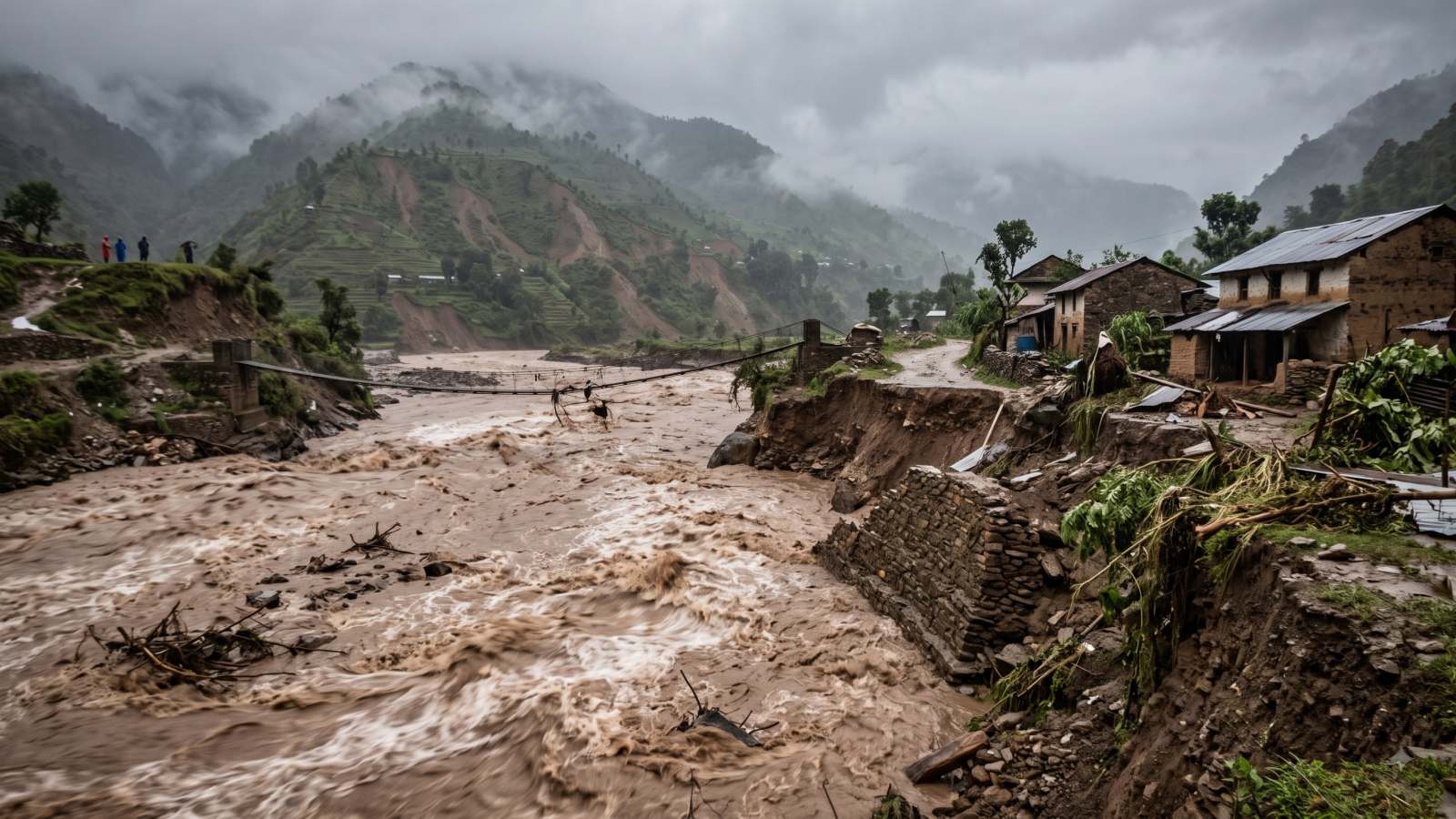
Fourteen coastal districts of Andhra Pradesh suffered severe impacts. Heavy rain and strong winds damaged homes, roads, electrical poles and power supply infrastructure across the area.
The worst impact was in Konaseema district, the state's fertile farming area. Banana and coconut plantations sustained extensive damage, while many trees and electricity poles were uprooted, interrupting power across the district. The cyclone damaged crops covering 79,000 acres and dozens of homes.
Officials said rough seas kept a cargo vessel flying the Marshall Island flag grounded off Andhra Pradesh on Thursday; 20 crew members were aboard. Some schools closed, and some train and flight services were cancelled.
Evacuation and preparedness prevented greater loss
Before the cyclone arrived, more than 180,000 people left their homes in Andhra Pradesh. Officials opened more than 2,000 shelters for cyclones in 20 districts and sent emergency alerts to millions of residents' mobile phones, state disaster management authority head Prakhar Jain said.
Along the coast, crews secured more than 30,000 fishing boats. Nearly 1,100 medical teams provided emergency assistance in affected areas.
Advances in technology enabled the government to identify the areas likely to face the greatest impact and limit loss of life and property
State Chief Minister N Chandrababu Naidu requested urgent assistance from India's central government.
What we know
- At least six people were killed; The Times of India reported nine deaths.
- 15,000 electricity poles were damaged.
- 79,000 acres of crops were damaged.
- 180,000 people were evacuated from Andhra Pradesh.
- Wind speeds reached 135 kph at landfall.
Still unclear
- The final death toll, with official sources reporting six and The Times of India reporting nine.