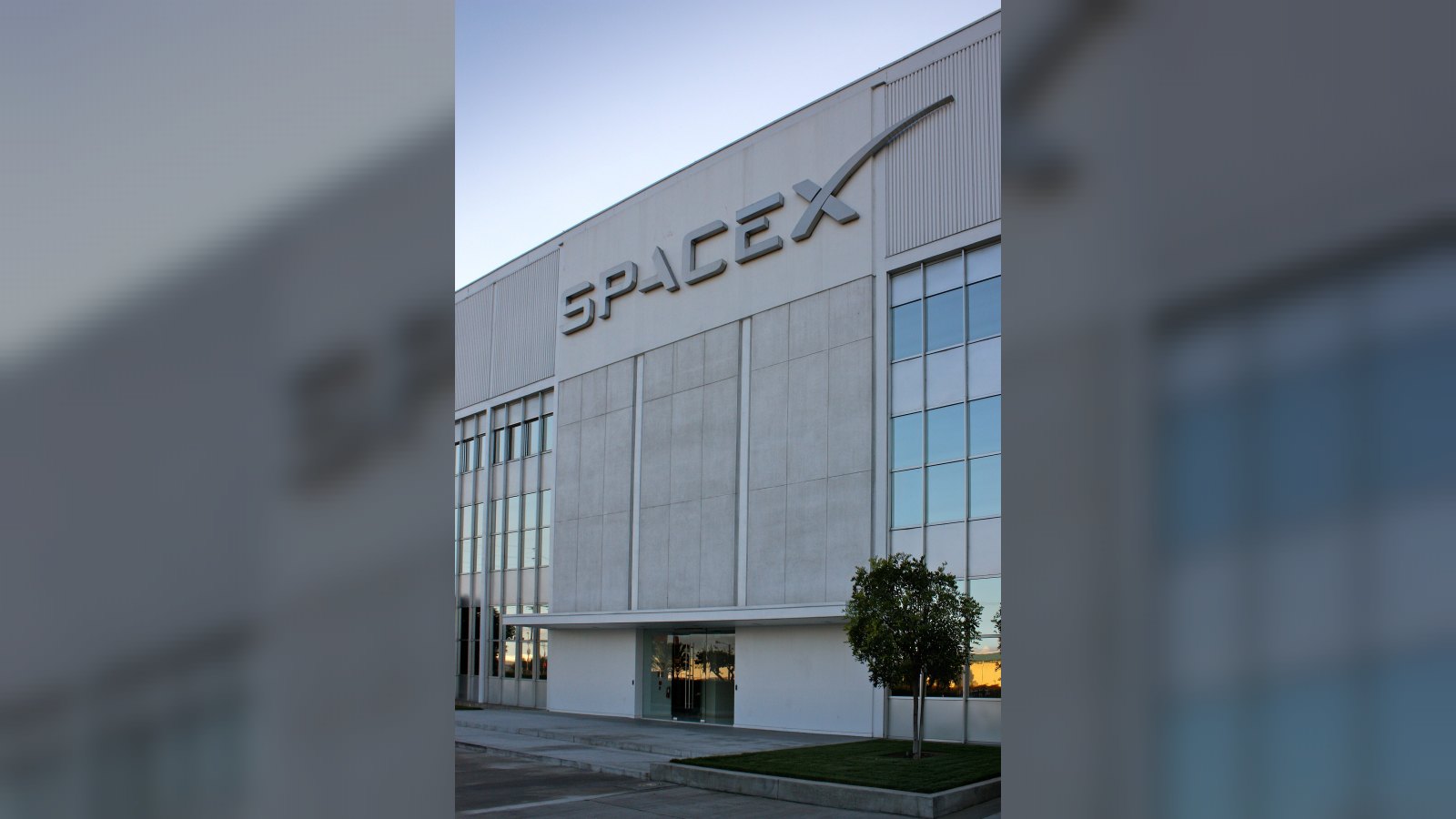
Special committees at Tesla and SpaceX are exploring a merger, Elon Musk said, but no deal terms have been agreed.
The combination would unite an electric-car maker with businesses spanning space, satellites and artificial intelligence. Reports have put the value of the possible company at about $3.5 trillion, which would make it the largest corporate deal in history.
That scale does not mean a transaction is close to completion. The companies have not agreed terms, and any proposal would need a vote by Tesla shareholders as well as regulatory reviews in several jurisdictions.
Board discussions are only the first step
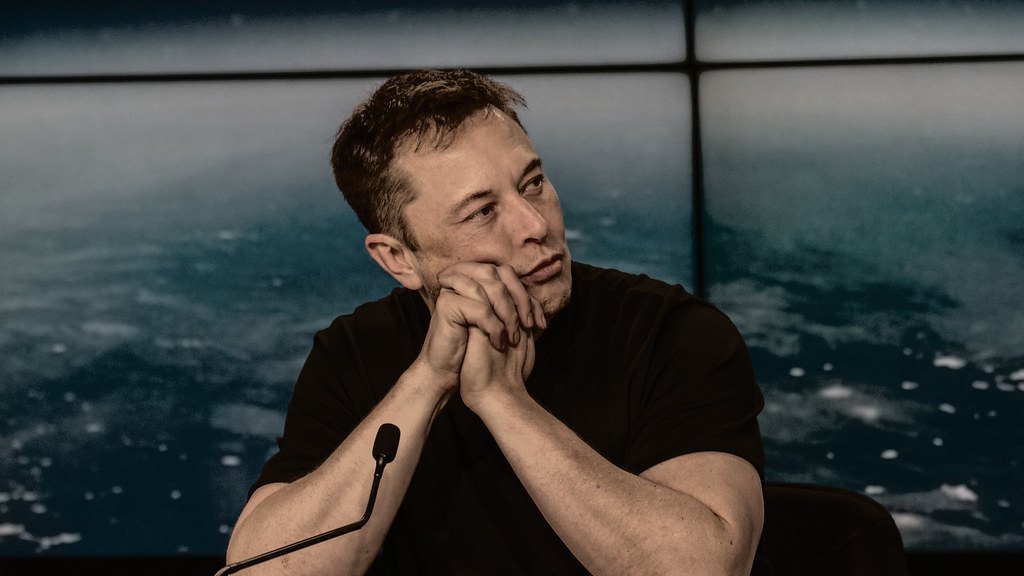
Musk said on Tuesday that independent-director committees at both companies had been established to examine a merger and that no terms had been agreed.
Asked if bringing the two businesses together was a good idea, Musk said: "Do I think it would be a good idea? Yes. But at the end of the day, the shareholders have to be supportive of this."
Any transaction would require approval from holders of at least 50% of Tesla's outstanding shares. Musk described that threshold as difficult to meet.
What we know
- Independent-director committees at both companies are exploring a merger.
- No merger terms have been agreed.
- Tesla shareholder approval would require support from holders of at least 50% of outstanding shares.
Still unclear
- Whether the merger will happen.
- What terms any agreement would contain.
- When shareholders would vote.
The approval requirement means the board discussions cannot by themselves deliver the deal. Tesla shareholders would have to decide whether to back the proposed combination, but no vote has been scheduled.
The reported valuations do not match
The Hindu and City A.M. said the combined company could be worth about $3.5 trillion and described the transaction as the largest corporate deal in history. The BBC valued Tesla at roughly $1.5 trillion and SpaceX at $2 trillion separately. NPR put their combined market capitalisation at about $3.7 trillion.
| Measure | Reported figure | Source |
|---|---|---|
| Tesla valuation | roughly $1.5 trillion | BBC |
| SpaceX valuation | $2 trillion | BBC |
| Combined company | about $3.5 trillion | The Hindu and City A.M. |
| Combined market capitalisation | about $3.7 trillion | NPR |
The different combined estimates reflect the figures reported by the sources. They do not establish a transaction price or show how ownership would be divided between Tesla and SpaceX shareholders.
Tesla is weaker in cars while SpaceX is expanding
Tesla reported third-quarter net profit of $787m, down 43 per cent, while revenue was broadly flat at $28bn. Automotive revenue fell 3 per cent to $20.6bn.
SpaceX posted a quarterly profit of $4.4bn as revenue rose 161 per cent to $14.6bn. Its artificial-intelligence computing division became its largest revenue source, overtaking Starlink and producing $7.6bn in the quarter.
Tesla reported revenue of $28.05bn, compared with Wall Street projections of $27.9bn, and earnings per share of $0.48, against a projection of $0.43.
The figures show different pressures and sources of growth in the two businesses. Tesla's automotive revenue declined, while SpaceX's revenue rose sharply and its AI-computing division led its business lines.
The financing would involve cash and debt
Tesla holds around $45bn in cash. Steven Wahrhaftig of Wedbush said that cash would strengthen the finances of a combined group, while Jonathan Pitkanen of Bloomberg Intelligence said a valuation of around $3.5 trillion would provide substantial backing for projects requiring tens or hundreds of billions of dollars in additional funding.
The size of the proposed group could therefore support expensive projects, but a high valuation would not remove the need for financing. Steven Wahrhaftig said: "The debt markets will definitely be tapped into".
Wahrhaftig said the deal had better-than-even odds, although regulatory hurdles might postpone completion. Another analyst, David Nicholson of The Futurum Group, put the likelihood of a merger at 100% and called timing the only question.
The assessments are not a guarantee that a transaction will be completed. The proposal could concentrate Musk's control and leave Tesla shareholders with a smaller interest in a larger and more complex business.
Dan Sheehan of Telos Wealth Advisors said: "The deal itself doesn't add to Musk's wealth, but it concentrates it further in one stock".
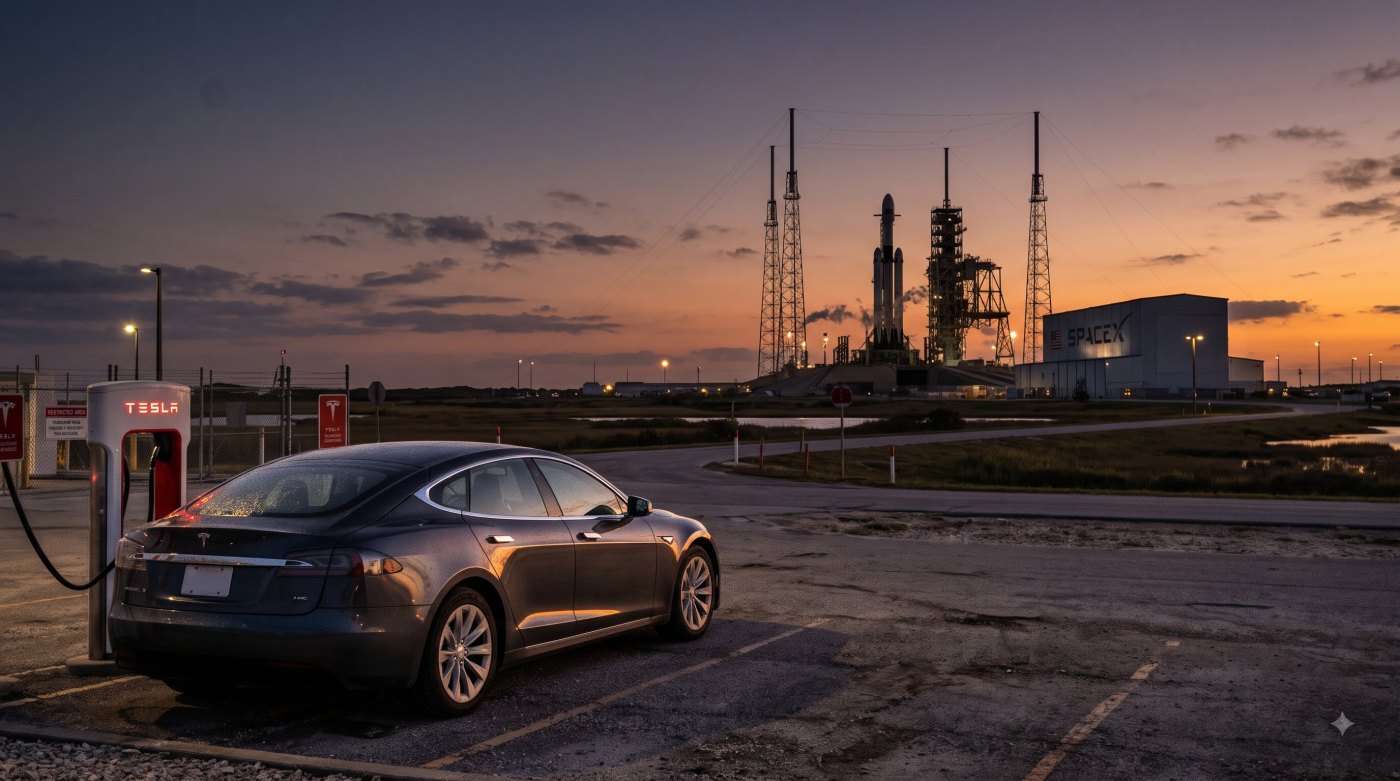
Musk's control creates a governance problem
Musk said he was excluded from the merger discussions because he is chief executive of both companies and has conflicting interests. He holds nearly half of SpaceX's shares and more than 80% of its shareholder voting power, but has much less voting power at Tesla.
That difference matters because Musk would have substantial influence at SpaceX while needing support from Tesla shareholders for the proposed combination. The independent-director committees are examining the transaction without him taking part in those discussions.
Musk has also cautioned against treating the proposal as certain. On Tesla's earnings call, he said he had already said everything he should say about the plan the previous day and added: "I feel like I’m tap dancing through a minefield."
The companies already have commercial and corporate links. Over the past year, Musk consolidated his companies, with SpaceX acquiring his artificial-intelligence startup xAI and the social-media platform X before its stock-market debut this year.
Tesla and SpaceX also collaborate on Terafab, Musk's chip-manufacturing project. Tesla makes solar panels and batteries used in SpaceX satellites, while SpaceX's Starlink system is used by Tesla's self-driving cars.
Regulators could impose conditions
The proposed combination would be examined beyond the companies' boards. US Senator Cory Booker, a New Jersey Democrat, said: "If Elon Musk moves forward with the merger of Tesla and SpaceX, the deal would carry real risks that antitrust enforcers across the world would scrutinize".
Booker said he was prepared to conduct oversight of any deal, while a South Korean antitrust official, speaking to Reuters, described a merger if pursued as something that could trigger an in-depth assessment of its effects on South Korea's industries.
Possible safeguards could affect how the companies work together. Derek Scissors of the American Enterprise Institute said an agreement would include pledges limiting connections between SpaceX and Tesla, and identified the biggest risk as the deal being unwound in 2029.
Ioannis Kokkoris of Queen Mary University of London said regulators could require the combined company to license key technologies to competitors as a condition of approval.
China would face a different conflict
A merger would place Tesla's Shanghai manufacturing hub under the same corporate umbrella as SpaceX, which does work for the Pentagon and operates Starlink. That could complicate how Chinese authorities treat Tesla.
Alicia Garcia-Herrero of Bruegel said Chinese authorities would have more difficulty treating Tesla as a purely commercial actor after a formal merger, which could increase risks for factory expansions, data approvals or market access.
Seth Goldstein of Morningstar said: "The U.S. government may not like having a U.S. defense contractor that's relying on the Chinese government for its key manufacturing operations."
The China question is separate from the Tesla shareholder vote, but it adds another layer of review. The companies do not yet know what restrictions on their links might appear in any agreement or what treatment the combined group would receive.
The outcome and timetable remain open
Analysts have described the merger as possible or inevitable, but they also warned of regulatory delays, greater concentration and a smaller Tesla shareholder stake in a more complex business.
The companies have not agreed terms, so the proposed ownership structure, safeguards and financing plan remain unknown. It is also not known whether holders of at least 50% of Tesla's outstanding shares would approve the deal.
The next meaningful steps are an agreement on terms and a Tesla shareholder vote. Neither has been scheduled.