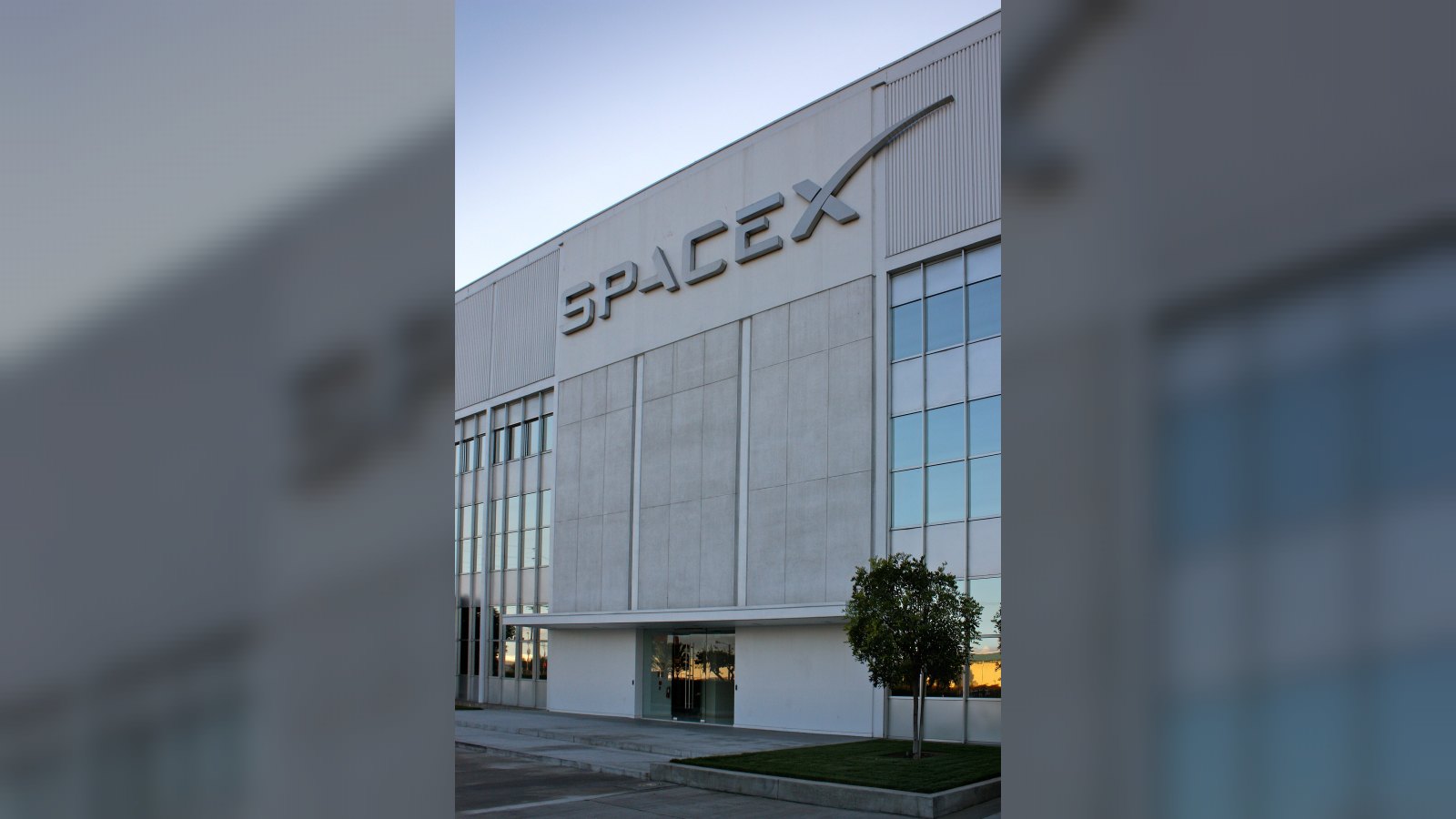
SpaceX is in advanced talks to secure access to at least 80,000 US cell sites, aiming to launch a fourth nationwide wireless carrier.
SpaceX is in discussions with at least one major cellular infrastructure company to secure these sites. Sources familiar with the matter confirmed the talks are underway. One of the companies involved is Crown Castle. It is one of the largest owners of cellular towers in the US.
Tower access scale
SpaceX target
Negotiated sites
80,000
- Part of fourth carrier plan
- Combined with satellite network
US total
Operational towers
158,500
- Current national inventory
- Shared by existing carriers
Access to 80,000 cell sites would provide SpaceX with roughly half of the 158,500 towers currently active in the US. This volume represents a significant portion of the national infrastructure. The agreements would help SpaceX build a fourth nationwide wireless carrier. It aims to challenge AT&T, Verizon and T-Mobile.
Chris Hillabrant is the CEO of Crown Castle. He addressed questions about potential leases on an earnings call. He declined to discuss specific customer details. He confirmed the company engages with various potential partners.
I don’t think I want to get into customer-specific detail, but you can assume that we’re talking to all parties.
American Tower declined to comment on the matter. Requests for comment sent to SpaceX and Vertical Bridge went unanswered immediately. Sources familiar with the discussions said the agreements with SpaceX might be worth billions.
Spectrum and satellite approvals
SpaceX recently acquired a portfolio of low-band spectrum licenses. The company bought 2GHz spectrum from EchoStar for $17 billion last year. This acquisition is a key component of its wireless strategy. The FCC also granted permission for SpaceX to launch 15,000 enhanced V2 Starlink Mobile satellites.
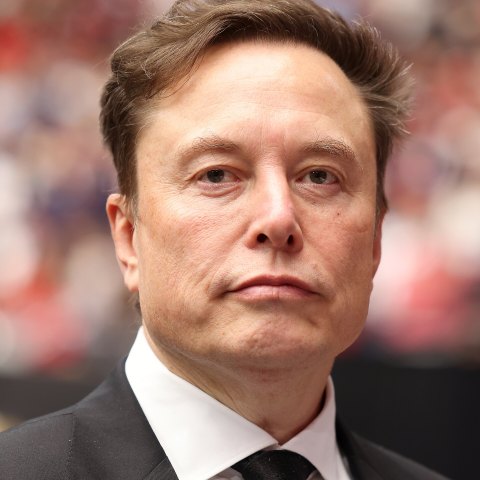
SpaceX said the spectrum acquisition and satellite approval will help Starlink Mobile grow into a leading US carrier. Elon Musk is the CEO of SpaceX. He has stated his intention to create a standalone wireless carrier. He plans to build out terrestrial networks to support this goal.
We will be building out our terrestrial networks so there’s broad-based connectivity anywhere that SpaceX and Starlink are allowed to operate.
- Last yearSpectrum deal SpaceX acquired 2GHz spectrum from EchoStar for $17 billion.
- RecentFCC approval Approval granted for 15,000 upgraded V2 Starlink Mobile satellites.
- Oct 23, 2026Report published The Verge published its report on the tower talks.
Hybrid network challenges
SpaceX intends to combine its direct-to-cell satellite constellation with a network of cell towers. SpaceX still needs ground sites to establish reliable links with users on the ground. To send wireless signals, carriers like AT&T, Verizon Communications and T-Mobile US usually place antennas on towers across the country. They typically lease room for their equipment at tower sites. It is more cost-effective than owning and maintaining them.
SpaceX said it intends to broadcast mobile signals using home internet hardware located near customer installations. Research firm MoffettNathanson raised concerns about this approach. The firm says those customer sites are where subscribers are. They are not necessarily where they are needed for consistent network coverage.
Tower companies' share prices rose on news of SpaceX's latest spectrum purchase earlier in October. The report suggests the market expects major business from SpaceX. Chris Hillabrant called the spectrum acquisition a huge milestone for providing broad mobile coverage.
The prospect requires significant investment. Musk is proceeding with the plan despite the costs. The Verge published its report on Oct 23, 2026, at 3:16 PM UTC.