ISRO's countdown for GSLV-F18 began at 11.51 p.m. on Thursday, ahead of a scheduled 11.51 p.m. Friday liftoff carrying NVS-03.
The agency announced on Wednesday that the navigation satellite would launch from Sriharikota on October 30. Its 24-hour countdown started at 11.51 p.m. on Thursday (October 29, 2026) and continued, ISRO said.
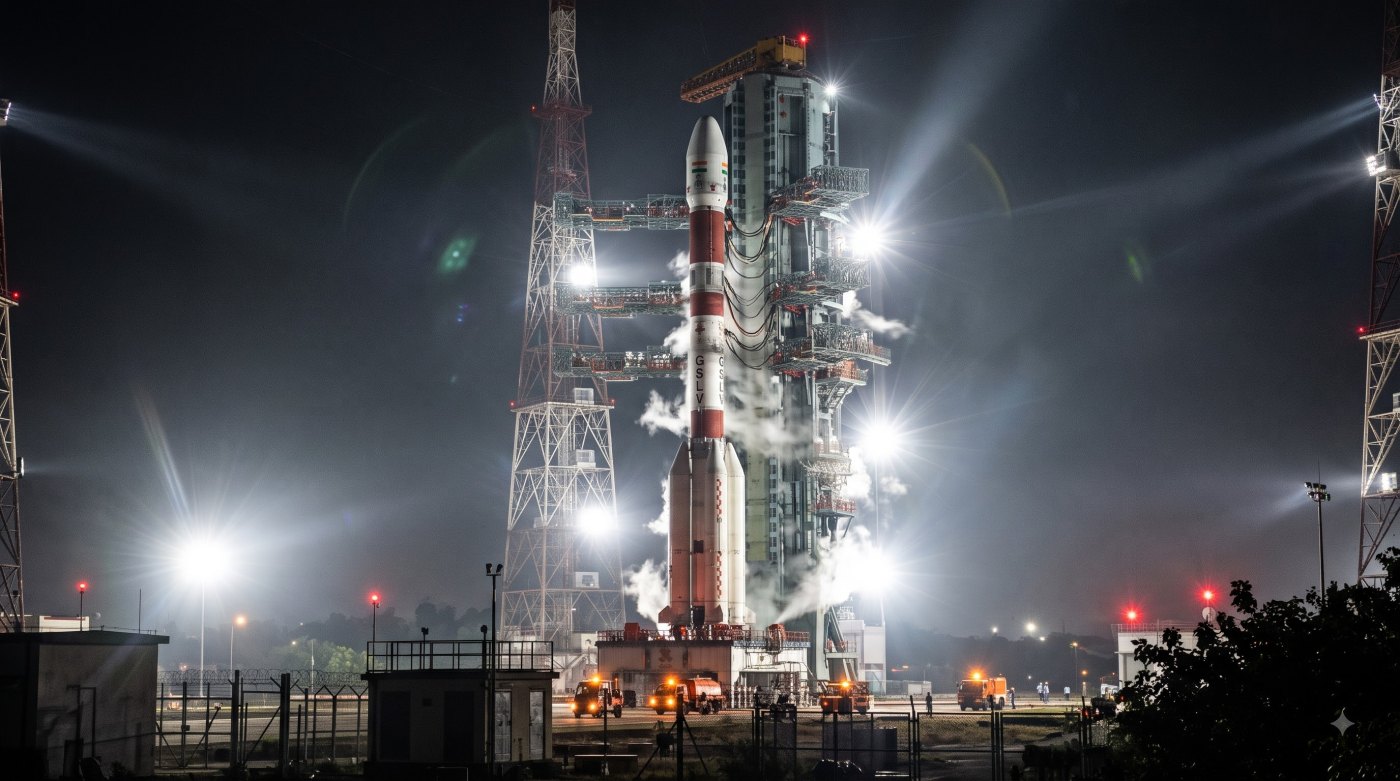
The Indian Express reported that the vehicle had been mounted and prepared for liftoff. GSLV-F18 is scheduled to lift off from Sriharikota’s Satish Dhawan Space Centre (SDSC-SHAR) at 11.51 p.m. on Friday (October 30, 2026).
What the rocket carries and where it goes
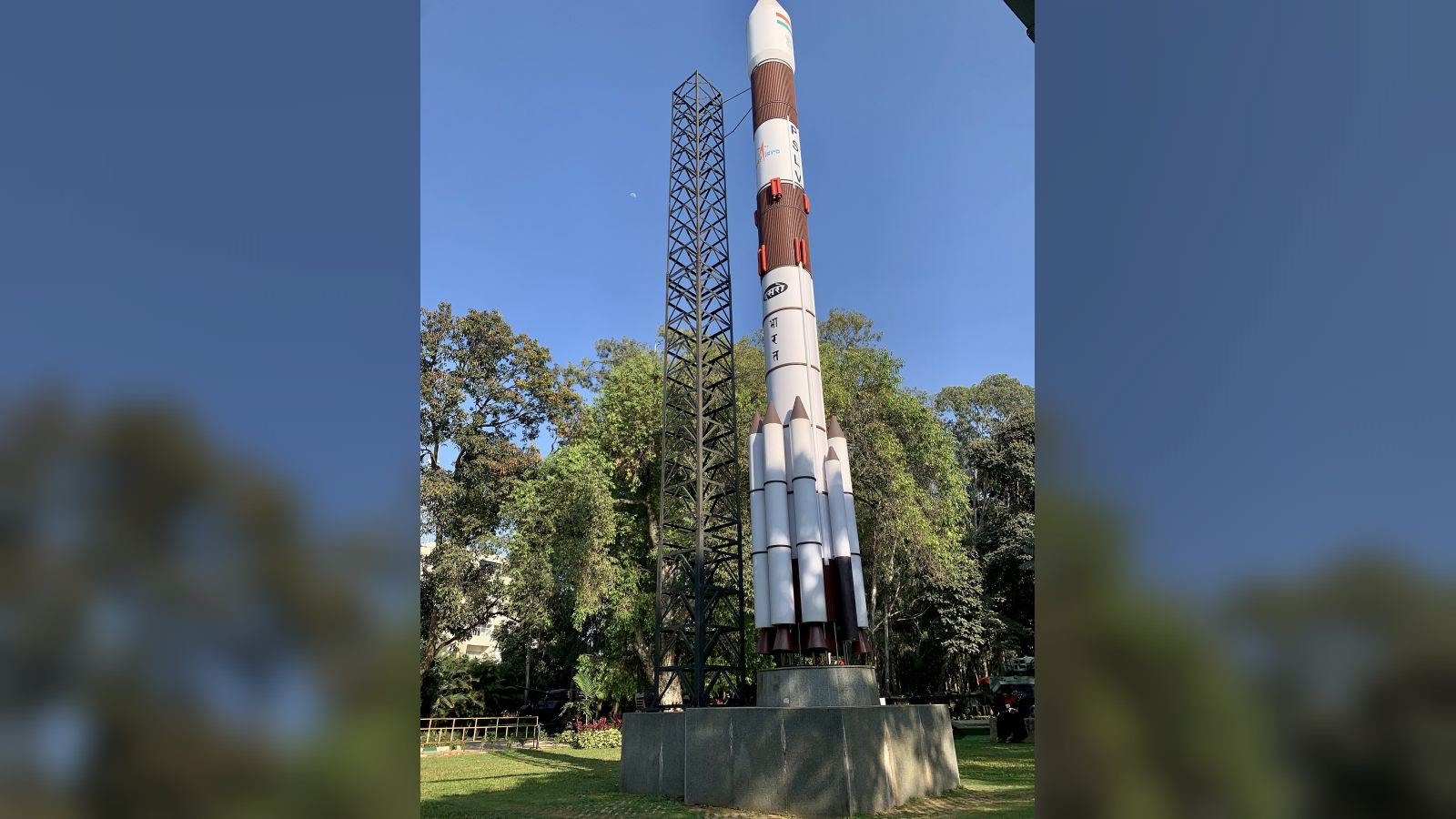
In its mission brochure, ISRO describes the rocket as 50 metres tall, with three stages and a lift-off mass of 420 tonne. Its mission is to place the 2,232 kg NVS-03 satellite in a Geosynchronous Transfer Orbit, or GTO.
The brochure gives the target orbit a perigee of 170 km, an apogee of 37,023 km and an inclination of 20.75 degrees. After reaching GTO, the satellite will raise its orbit through manoeuvres until it reaches the geosynchronous position at 32.5 degrees East.
An open valve, and why it is open
NVS-03 will fly with its pyrotechnic valves already open, a configuration ISRO cleared during the Mission Readiness Review and describes as unprecedented. Standard safety protocols usually isolate spacecraft propellant during liftoff vibrations. The open valves are designed to bypass the connector failure that stranded the NVS-02 mission in January 2025.
For the flight, that failure is the reference point. In January 2025, ISRO's attempt to launch NVS-02 on GSLV-F15 failed during the orbit raising operations stage, the Indian Express reported. Analysis found that the engine's oxidiser-line pyro valve didn't receive the drive signal needed to move the satellite from an elliptical orbit to a circular one.
A high-level committee recommended changes to improve redundancy and pyro system operations, sources said. All those measures have been incorporated into this flight.
- Jan 2025NVS-02 lost at orbit raising
The GSLV-F15 attempt failed at the orbit raising operations stage.
- After Jan 2025Signal fault traced
Analysis concluded the drive signal was not delivered to the pyro valve of the oxidiser line on the engine meant to raise the orbit from elliptical to circular.
- Before 30 Oct 2026Corrective measures integrated
Fixes from a high-level committee to enhance redundancy and improve pyro system operations were fully integrated into this flight, sources said.
- 30 Oct 2026Open valves cleared
The Mission Readiness Review cleared flying NVS-03 with its pyro valves already open, an unprecedented configuration.
- 30 Oct 2026Liftoff planned
GSLV-F18 is scheduled to lift off at 11.51 p.m. from the second launch pad at SDSC-SHAR.
What we know
- The 24-hour countdown began at 11.51 p.m. on Thursday (October 29, 2026).
- Liftoff is scheduled for 11.51 p.m. on Friday (October 30, 2026) from the second launch pad at SDSC-SHAR.
- NVS-03 will fly with its pyro valves already open, a configuration cleared at the Mission Readiness Review.
- Corrective measures from a high-level committee to enhance redundancy and improve pyro system operations are fully integrated into the flight, sources said.
Still unclear
- Whether the launch takes place at 11.51 p.m. on 30 October 2026 or slips.
- Whether the open pyro valve configuration works as intended and avoids the NVS-02 connector failure.
- Whether the orbit-raising phase after injection proceeds cleanly.
- What redundancy the high-level committee's measures add, beyond the sources' general description.
The satellite and the L1 band
The third satellite in the second-generation NVS series, NVS-03 is intended to augment the NavIC constellation and maintain navigation services. It uses an indigenous Rubidium atomic clock created by the Space Applications Centre and broadcasts on the L1, L5 and S bands.
The L1 band works with current civilian smartphone chipsets and wearable devices, ISRO said. Its coverage includes all of the Indian landmass and reaches up to 1500 km.
A rocket ISRO watches closely
ISRO will closely monitor the performance of the GSLV Mk II, looking for a flawless flight and hoping to shake off the launch vehicle's historical "naughty boy" moniker, stemming from the complexities of its cryogenic third stage.
Still, the NavIC constellation needs significant expansion to achieve its full operational potential and provide continuous reliability across the grid.
Where the two reports differ
The two outlets give different figures for the satellite. The Hindu puts NVS-03 at 2,232 kg; the Indian Express describes it as around 2,250 kg. The Indian Express also describes the flight as the 20th flight of the GSLV-F18, worded as printed; The Hindu gives no flight number.
NVS-03: what each outlet reports
The Hindu
Report of 30 October 2026
- NVS-03 mass: 2,232 kg
- No flight number given
- Lift-off mass 420 tonne, three-stage, 50 metres tall
- Target orbit 170 x 37,023 km at 20.75 degrees
- Pyro valves flown open, cleared at Mission Readiness Review
The Indian Express
Report of 28 October 2026
- NVS-03 mass: around 2,250 kg
- Described as the 20th flight of the GSLV-F18
- Vehicle mounted and readied at the second launchpad
- NVS-02 on GSLV-F15 failed in January 2025 at orbit raising
- Coverage up to 1500 km
Whether GSLV-F18 flies at 11.51 p.m. on 30 October 2026 or slips, whether the open valve configuration does what ISRO intends, and whether the orbit-raising manoeuvres after injection run cleanly are all open until the mission unfolds. These unknowns stand outside both accounts.