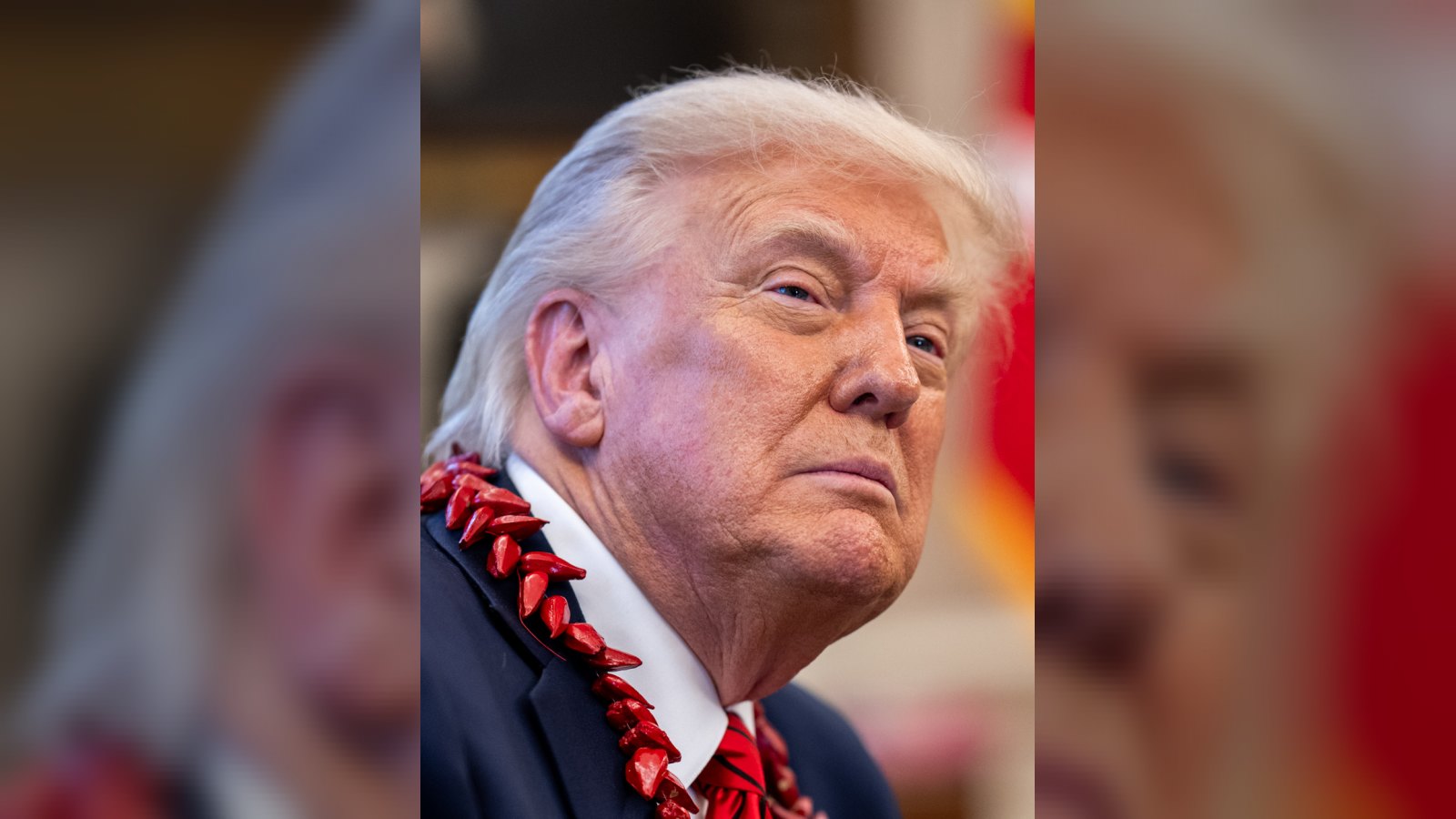
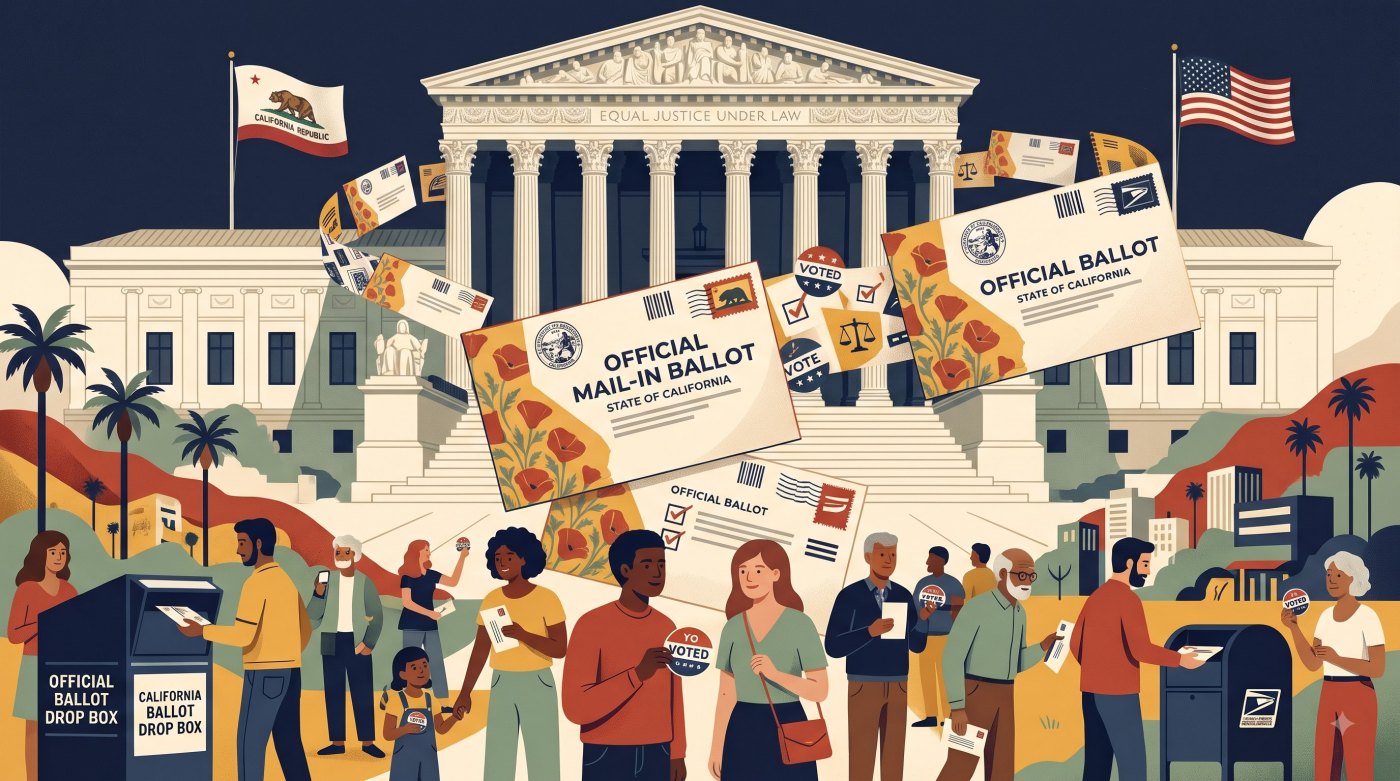
In a one-line order issued hours after the filing, the Supreme Court turned down the Trump administration's emergency bid to prevent California from counting mail-in ballots cast by more than 20,000 registered voters alleged to be noncitizens.
The court's order said: "The application for injunction pending appeal presented to Justice Kagan and by her referred to the Court is denied." No justice publicly dissented, and the court did not seek a reply from California to the administration's bid.
The administration has now suffered a third straight courtroom defeat in its effort to disqualify the ballots. On Friday, a federal appeals court rejected the bid, following US District Judge David Carter in Los Angeles, who'd turned it down on 28 October.
On Friday, the San Francisco-based 9th US Circuit Court of Appeals refused to block the ballots, saying the state had authority over election procedures. The Supreme Court's swift denial means the lower courts' rulings will stand.
How the dispute began
The Justice Department filed suit in federal court on 15 October, arguing that California was unlawfully obstructing enforcement of a 1996 US law that criminalises voting in federal elections by noncitizens. It said California's actions breached the Constitution's Supremacy Clause, which generally gives federal law precedence over state law.
Last month, court documents show, the Justice Department asked California's secretary of state and the Los Angeles County Registrar to remove ballots cast by 20,000 registered voters the Trump administration
The administration told California to keep ballots it alleges are unlawful apart from the rest and refrain from counting them until the voters' US citizenship is established. In its Supreme Court filing, the Justice Department said: "Once California commingles the challenged ballots with lawful ones, there is no way to get the challenged ballots back."
The data falls short
California election officials disputed the government's assertions, saying the method for identifying alleged non-citizens was unreliable and the resulting list contained many errors. In court papers, California said the administration's review of voter lists to find noncitizens was defective and probably included numerous mistakes.
After a court order required the government to provide the list of more than 20,000 alleged noncitizens, data scientists working with a human rights group examined it. They reported that roughly 9,000 listed people don't appear on the state's voter rolls and identified dozens of cases in which listed people are likely citizens.
Never before in American history has the federal government, on the eve of an election, sought to coerce a state and local government to abandon their own constitutional elections procedures and bend to the will of the executive branch.
Carter described the government's California action as part of an "ongoing pattern of attempted election interference" by the Trump administration. He questioned the quality of its data, pointing out that people whom federal officials had recently identified as noncitizens on voter rolls in other states had repeatedly proved to be naturalised US citizens.
If the executive can discount votes and threaten an ongoing election due to unproven allegations, then our democracy is in danger.
Another federal judge on Friday night blocked administration officials — including "high-ranking" Justice Department and Homeland Security officials — from a "campaign to intimidate, threaten, and coerce state and local officials and employees who are engaged in administering the ongoing midterm 2026 election."
Judge Trina Thompson wrote: "Although Defendants claim that their actions are designed to halt unlawful voting by noncitizens, their actions are likely to have the effect of interfering with election administration and disenfranchising lawful voters."
Reactions and what comes next
California Governor Gavin Newsom welcomed the decision, calling it "a welcome sight for all Americans given the disgusting and dangerous attacks on our democracy by the federal government."
Tomorrow (Tuesday), Californians can feel secure in knowing the state will carry out a free and fair election — just as we've always done.
California Attorney General Rob Bonta said the request "reeks of desperation" and is merely "another attempt to undermine our elections and trample on the rule of law."
Acting US Deputy Attorney General Trent McCotter said: "We will continue pursuing every available legal avenue to protect the integrity of our elections and ensure federal law is enforced."
Why California matters
California has about 23 million people on its voting register, making it America's most populous state. Its 52 House of Representatives seats exceed those of every other state. Democrats must gain four seats net to take control of the chamber.
More than six million mail-in ballots had arrived by Sunday night, the California secretary of state's office reported. The midterms will decide which party holds control of the US Congress during the final two years of President Donald Trump's second term.
The Supreme Court rebuffed the administration's earlier attempt to limit voting by mail in September. On Sunday, a federal judge threw out its case over the US Senate race in Alaska.
Trump has repeatedly made untrue statements alleging widespread voting fraud in the US, including in the 2020 election. Multiple studies and state audits indicate that ineligible voting, including voting by noncitizens, is rare.