Russia and Ukraine began a second and final scheduled day of US-mediated talks in Abu Dhabi, with a reported exchange of 1,000 prisoners for 1,000 in view.
The first face-to-face session between the delegations since February produced a humanitarian deal rather than a ceasefire. More than four and a half years after Russia's full-scale invasion, the two sides still disagree on whether Ukraine's security guarantees come before the fighting stops or after it.
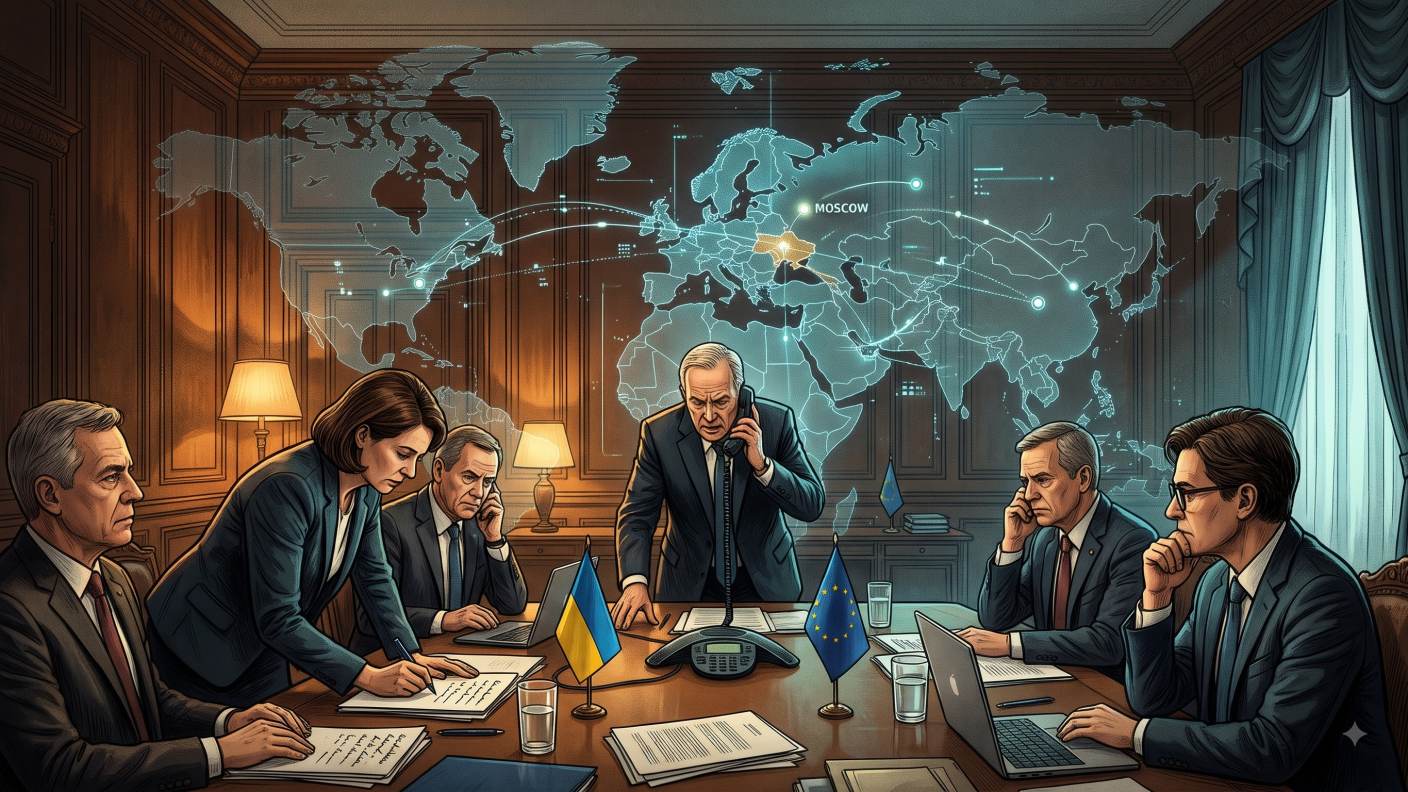
Rustem Umerov, Ukraine's top negotiator, said the day would open in a trilateral format with the United States and Russia, then move to a separate meeting with European partners, announcing the start of the session on Telegram.
The two sides hadn't met since February. The opening day ran about four hours and ended early, and accounts of the weekday differ: one places the session on Tuesday, others on Monday 10 November.
- FebruaryLast meeting
The two sides last sat down together.
- OctoberRefinery strikes
Ukrainian attacks on Russian refineries begin, later reported to have cut refining capacity by 30 per cent.
- 10 NovemberFirst day
Delegations meet in Abu Dhabi for about four hours.
- 11 NovemberSecond day
The last scheduled session, opening in trilateral format.
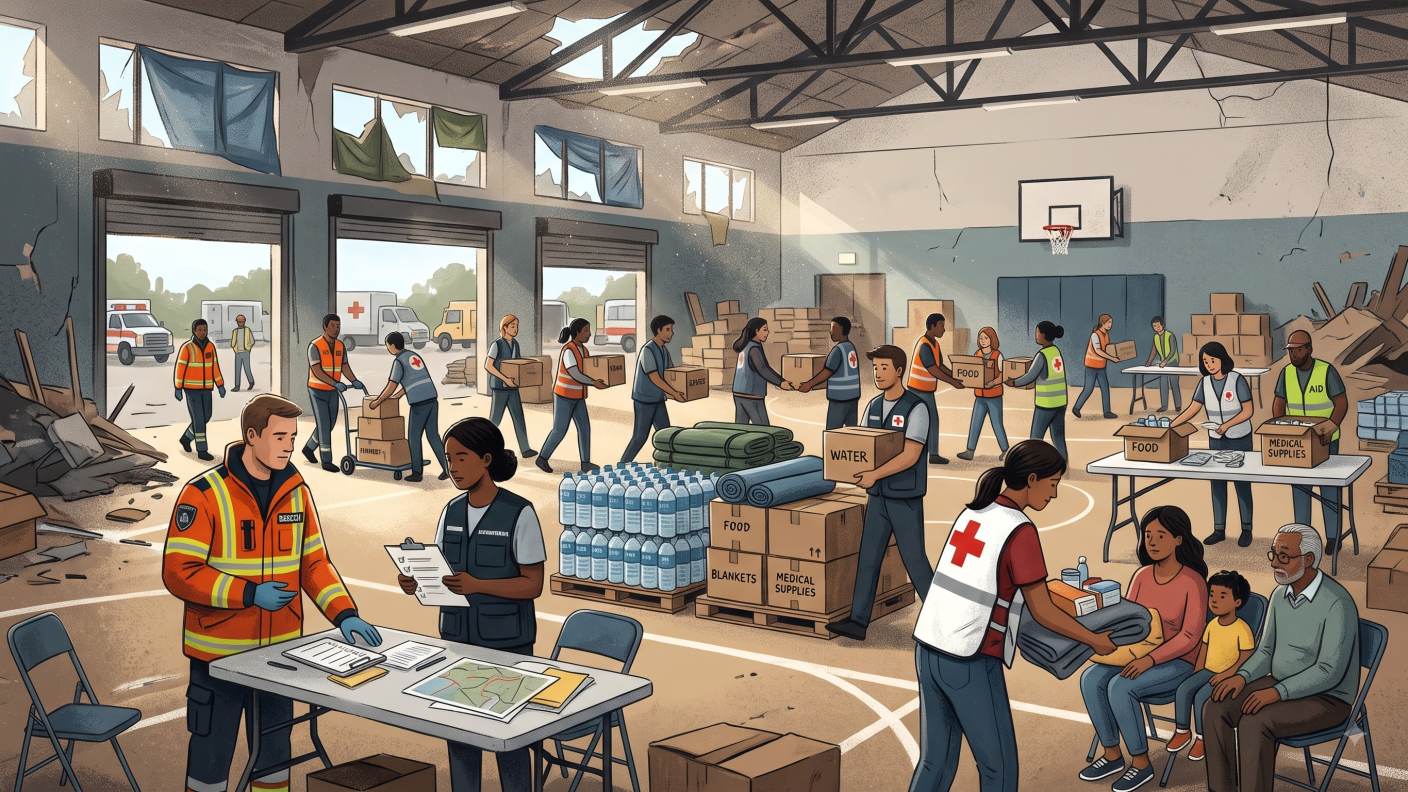
Word came after the first day of a large-scale prisoner exchange, 1,000 for 1,000 or more, to be carried out in the near future.
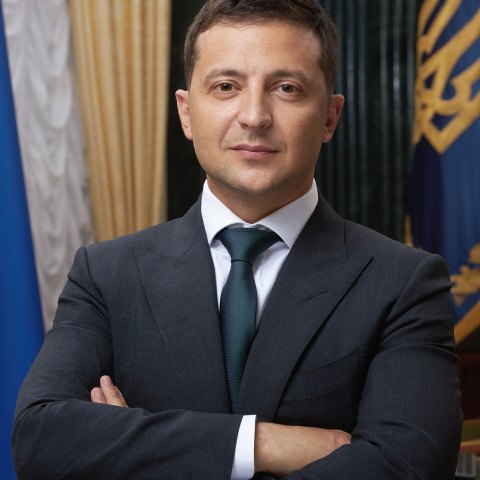
Volodymyr Zelensky, Ukraine's president, called the talks constructive and quite substantive, and said they covered humanitarian and security questions.
I see changes. I am very happy about what I hear
Marco Rubio, the US Secretary of State, described the US-brokered meeting as very productive. He didn't give details.
Jared Kushner, a US presidential envoy, wrote on X that Washington was working to establish security arrangements for a sovereign, secure and prosperous Ukraine and for lasting peace across Europe, and that contacts with both sides in recent weeks had narrowed the gaps between their positions.
We are encouraged by the constructive discussions today
Sergei Ryabkov, Russia's deputy foreign minister, said any judgment of the meeting would be premature before the second day.
A possible summit of the Russian, Ukrainian and US leaders could be discussed on Tuesday, Zelensky said. Neither he nor Vladimir Putin is in Abu Dhabi for the talks.
Each side wants a different order of business
The release of prisoners of war was a priority, Zelensky said. The delegations had gone into detail on the substance of security guarantees for Ukraine and how to keep them working over the long term.
Russian forces hold about a fifth of Ukraine. Beyond land, the issues on the table include the security guarantees both sides say they want and Moscow's demand that Ukraine adopt neutral status and stay out of NATO.
Sergey Lavrov, Russia's foreign minister, put the ordering question plainly: fix the architecture of security first, then deal with the conflict itself.
The idea of defining clear parameters for a future security architecture, and only then moving on to resolving the actual Russia-Ukraine conflict, is absolutely reasonable
The proposals for a new security architecture raised serious misgivings for him, Zelensky said.
We are all very cautious with this topic because nobody really understands 100% what they want
Who wants what, and in what order
Russia
Lavrov, foreign minister
- Security architecture defined first
- Ukraine to adopt neutral status and stay out of NATO
- Rejects a truce as breathing space for Ukraine
Ukraine and Europe
Zelensky and von der Leyen
- Prisoner release first
- Security guarantees worked out in detail
- Wider security talks only after a ceasefire
Ursula von der Leyen, the European Commission president, said on Monday that broader security talks should wait until a ceasefire is in place. Lavrov dismissed the idea of a truce, arguing the Europeans wanted breathing space for Ukraine.
Dmitry Peskov, the Kremlin spokesman, said no contacts had taken place in Abu Dhabi between the Russian delegation and European representatives, none were planned, and the delegation was briefing Putin constantly.
Before the main meeting, the Ukrainians held separate talks with the two American envoys and with representatives of Europe, NATO and the European Union. Rubio, speaking in Paris, said the US wanted at some point to widen the trilateral talks to include Europe.
Fighting continued through the talks
No public sign has appeared that Putin will drop his demand for the whole of Donbas before a peace deal, and Zelensky has refused to hand over land his forces have died defending. Trump said last week that the war was close to being settled, though he has frequently predicted breakthroughs that didn't materialise.
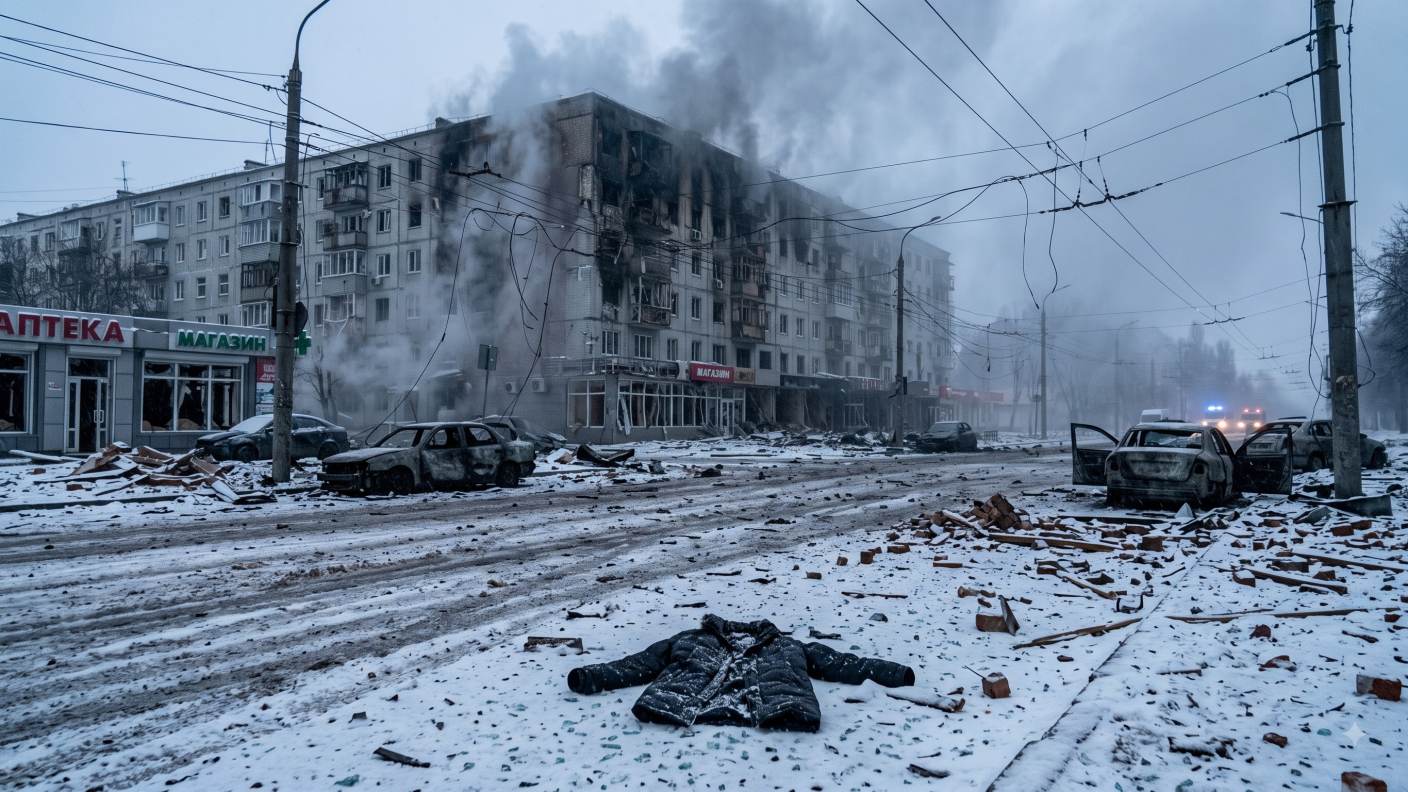
Sergii Koretskyi, the Ukrainian prime minister, said Russia struck six large electricity substations in four central regions of Ukraine. The defence ministry said Russian forces hit a cargo vessel in the Black Sea southwest of Odesa carrying weapons and military equipment for Ukraine's armed forces.
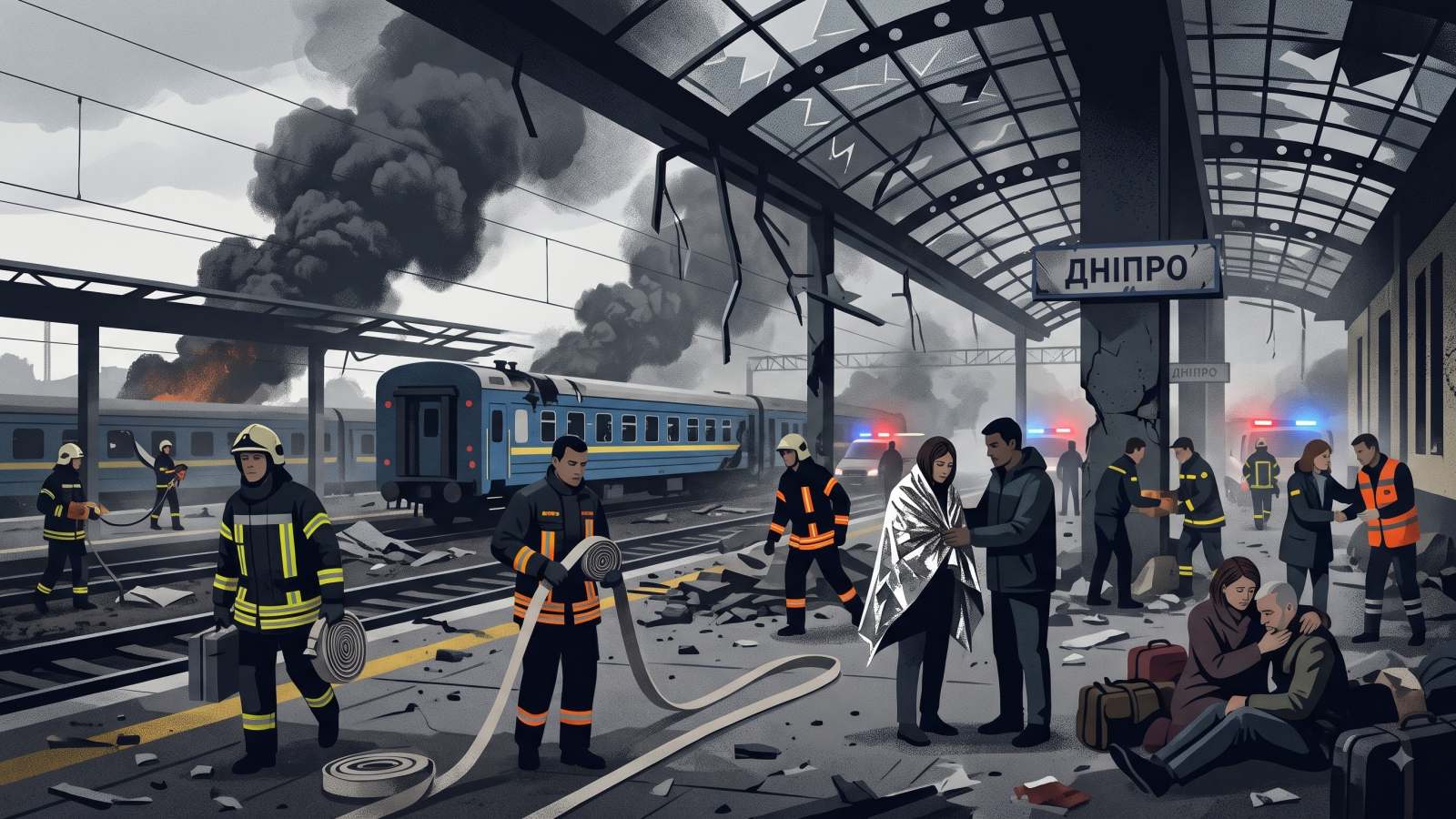
Drone debris struck an apartment building in Russia's Smolensk region, killing two people, its governor told TASS. Naftogaz said Russian jet drones hit a facility it operates in the eastern part of the Dnipropetrovsk region, starting a fire and damaging equipment.
Russia had said at the talks it held half of the Donbas region, Zelensky said.
Putin lives in a different reality
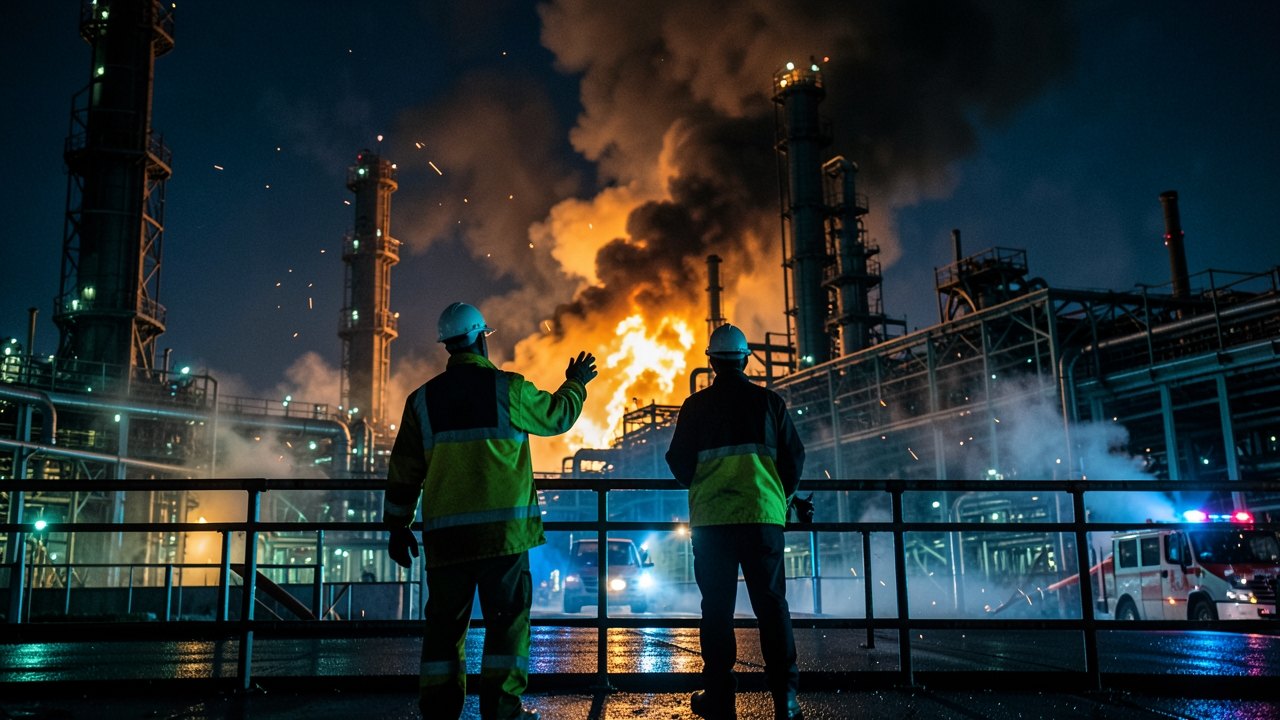
Aleksandr Drozdenko, the regional governor, said Ukrainian drones struck Ust-Luga in Russia's northwest, causing a fire and cutting off a power station. Russia had lost 30 per cent of its oil refining capacity to strikes on refineries since October, and in the past week those attacks disrupted operations at nine of the country's 35 major refineries.
Andrii Sybiha, Ukraine's foreign minister, told Reuters he'd urged Rubio to accelerate deliveries of interceptors as Russia steps up attacks on energy targets.
What remains unsettled
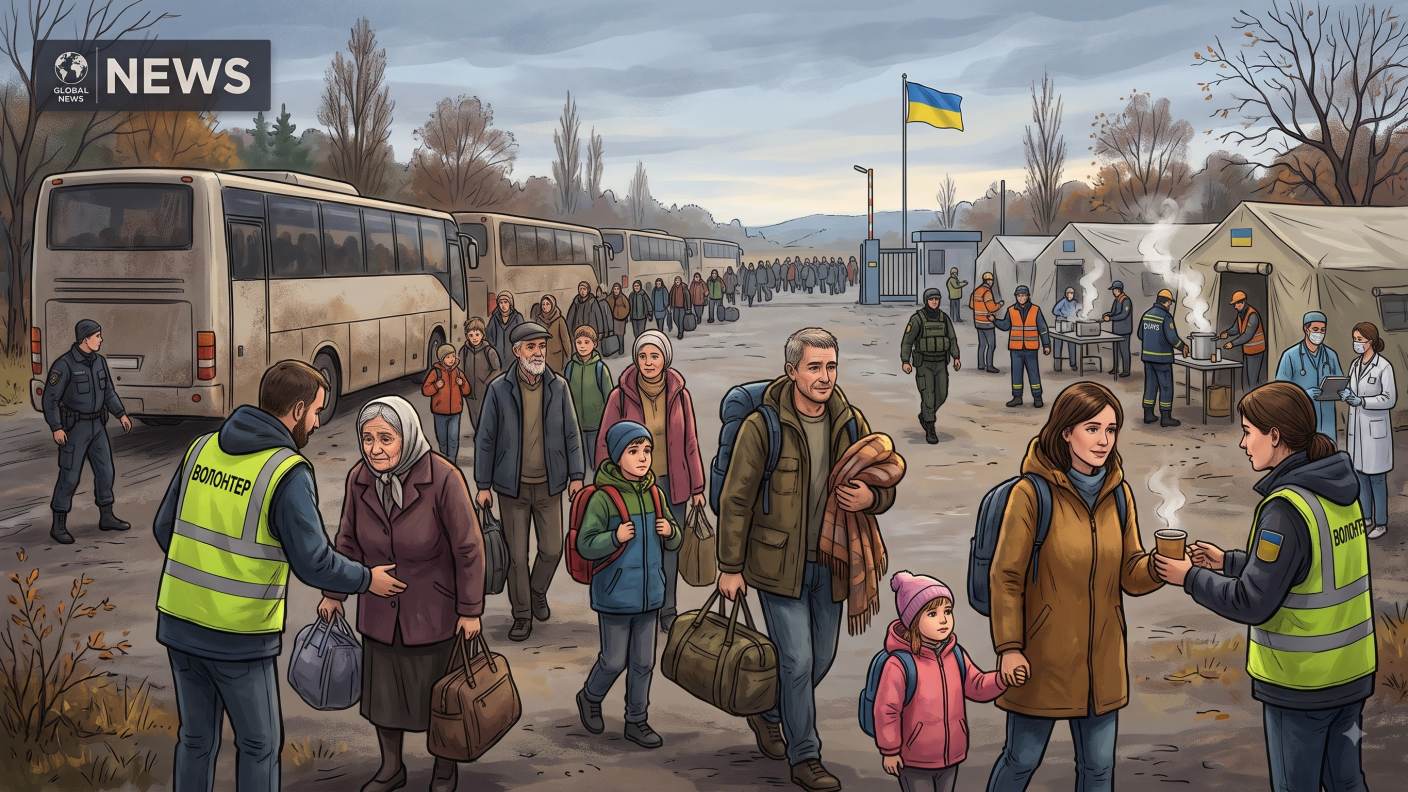
The talks followed a humanitarian operation in Oleshky, a southern Ukrainian town occupied since 2022, where a local ceasefire allowed hundreds of people to be evacuated, mostly to Ukraine.
What we know
- The first day of talks lasted about four hours.
- The second day is the last one scheduled.
- Neither Zelensky nor Putin is attending.
- Russia's delegation is headed by Vladimir Medinsky, a Putin aide.
Still unclear
- Whether the second day produced a breakthrough or a concrete outcome.
- Whether the reported 1,000-for-1,000 prisoner exchange will happen, and when.
- Whether a summit of the three leaders will be held, and on what date.
- Whether and when European representatives join the trilateral format.
- Whether Putin will drop his demand for the whole of Donbas.
The second day, on Wednesday 11 November, is the last session on the schedule. No further meetings have been announced.