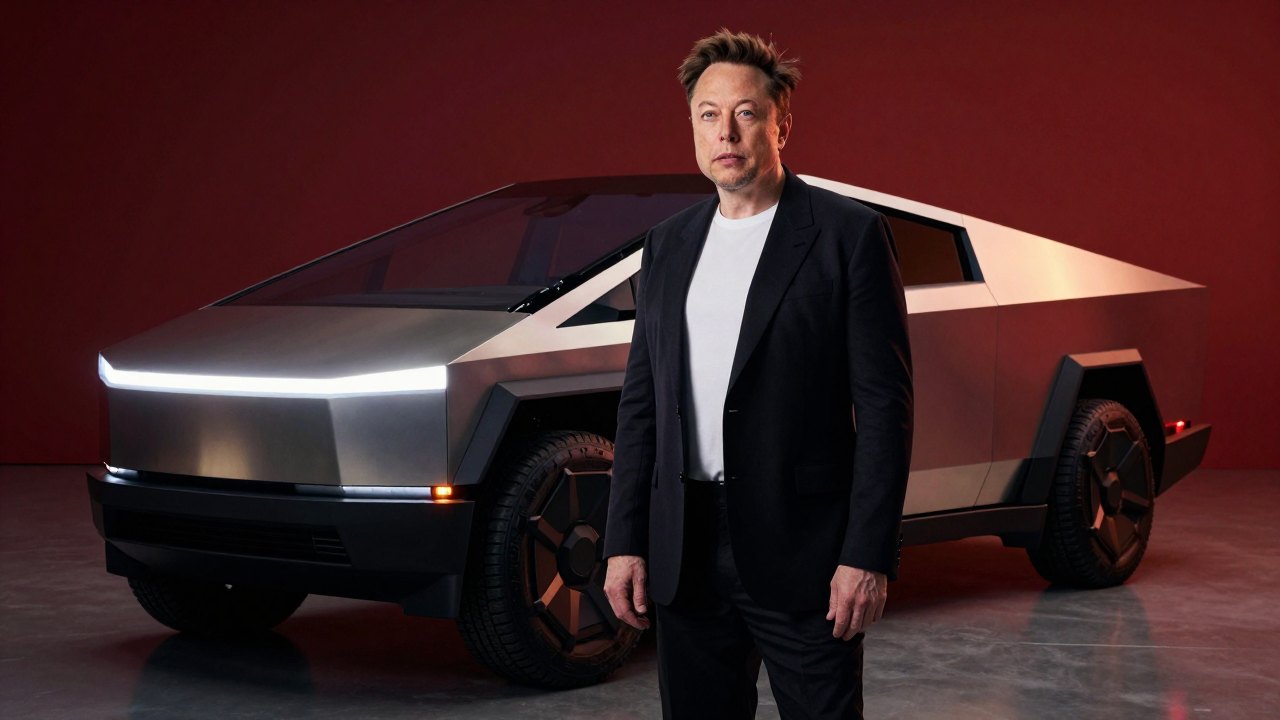
Tesla will stop making the Cybertruck at Gigafactory Texas around mid-2027 and use the freed capacity to produce Cybercab robotaxis. The move will end a troubled flagship project.
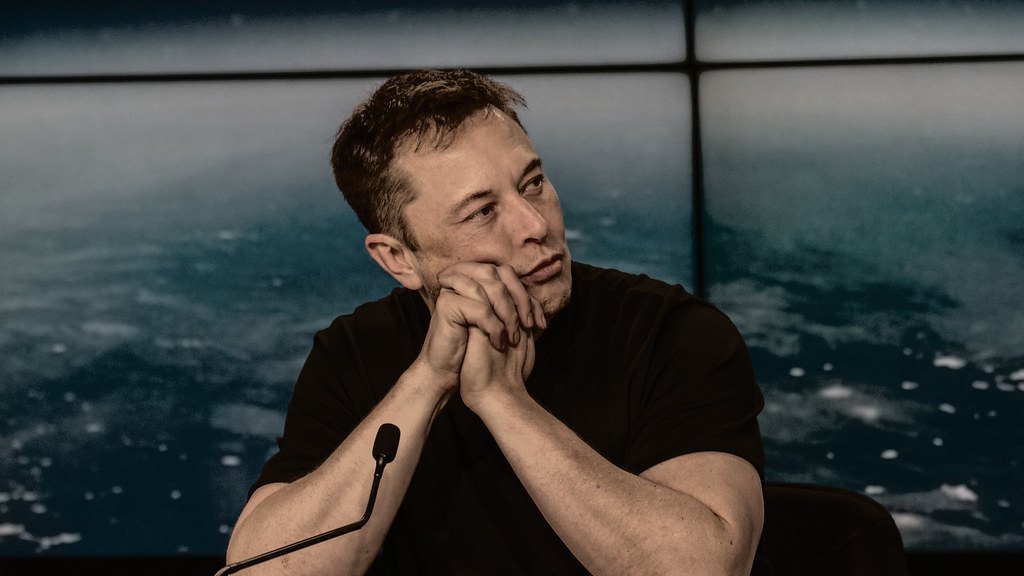
Elon Musk said the decision reflects the truck's spectacular underperformance, with US sales dropping 48 per cent year-on-year to just 20,237 vehicles in 2025, versus his original forecast of 250,000 to 500,000 annually. Tesla's now betting its autonomous vehicle future on the Cybercab instead.
Tesla will be winding down production of the Cybertruck at Gigafactory Texas around the middle of next year to make room for increased Cybercab production.
Musk didn't say whether Cybertruck production would end altogether or shift to another site. The Austin factory is the only facility known to have the equipment needed for the truck's specialised components.
Wes Morrill, Cybertruck lead engineer, said the truck lives on through the Cybercab. "Cybertruck was an incredible technology development platform and lives on through Cybercab," he said. Sources read this as a sign the model is being discontinued.
Musk replied to a user on X calling the wind-down the end of an era. He said the Cybertruck fleet will be around for a long time.
A project that never gained traction
Estimated total deliveries since launch are fewer than 70,000. The truck faced delays from the start: Tesla began delivering to customers in late 2023, after production was originally scheduled for 2021.
The 2019 unveiling foreshadowed durability problems. During a product demonstration, metal balls thrown at the windows left two large cracks.
Since sales began in late 2023, Tesla has issued 11 recalls. A 2025 recall affected more than 46,000 Cybertrucks over concerns that part of the trim could fall off.
| Metric | 2019 unveiling | Musk's forecast | 2025 actual |
|---|---|---|---|
| Annual sales target | $39,900 starting price | 250,000–500,000 units | 20,237 US vehicles (48% decline) |
| Starting price | $39,900 | Planned $60,990 by 2023 | $92,490 in 2026 |
| Total deliveries | — | — | Fewer than 70,000 since launch |
Fortune reports that, after Tesla raised prices and dropped orders for the cheapest Dual Motor AWD model, the cheapest Cybertruck still available starts at $92,490, up from $84,990 in August. Whichcar lists the 2025 rear-wheel-drive Cybertruck at $69,990, the dual-motor All-Wheel Drive at $79,990 and the Cyberbeast at $99,990; BBC reports the Cyberbeast model comes in at $102,000 in 2026.
Reportedly, development spending on the Cybertruck has reached $5.6 billion, with an estimated $800 million to $1 billion in unsold inventory.
Andy Palmer, former Aston Martin CEO, dismissed the case for continuing. "It doesn't make sense to keep it going when it's not meeting its targets," he said. He added that regulatory barriers prevent global sales expansion: "Anywhere where you have crash regulation that takes into account pedestrian impact, that Cybertruck won't go, can't go."
Tesla previously abandoned plans to sell the Cybertruck in Australia and New Zealand, citing regulatory and engineering challenges with right-hand-drive adaptation. Analyst Felipe Munoz noted that Ford and other makers have also struggled to sell electric pick-ups in the US, despite the Cybertruck being called a failure over poor sales.
The Cybercab becomes Tesla's robotaxi bet
The Cybercab is a two-seater with butterfly doors and no steering wheel, pedals or mirrors. Production began earlier this year. Tesla began offering paid rides in a small fleet in Austin in September 2026.
The National Highway Traffic Safety Administration began an audit in September of Tesla's compliance with federal motor vehicle safety standards in self-certifying the Cybercab. Tesla submitted answers at the end of October but asked for them to stay sealed as confidential business information. NHTSA hasn't yet ruled on that request.
The state's Department of Motor Vehicles says Tesla's Texas robotaxi fleet includes about 570 Cybercabs among more than 1,200 vehicles, with Model Y vehicles making up most of the remainder. Tesla has listed an installed Cybercab capacity of more than 125,000 units.
Across six cities in Texas and Florida, Tesla also runs Model Y robotaxis: Houston, Dallas and Fort Worth, plus Miami, Orlando and Tampa. Alphabet's Waymo already operates in 15 US cities and reportedly provides 500,000 rides per week.
Tesla's stock rose 4.7 per cent on Friday after Musk's announcement.
Still unclear
- Whether Cybertruck production will be phased out entirely or relocated to another facility.
- How long Tesla will continue selling remaining Cybertruck inventory or supplying spare parts.
- Whether Tesla will formally announce Cybertruck discontinuation.
- How NHTSA will rule on Tesla's request to keep Cybercab certification data sealed.