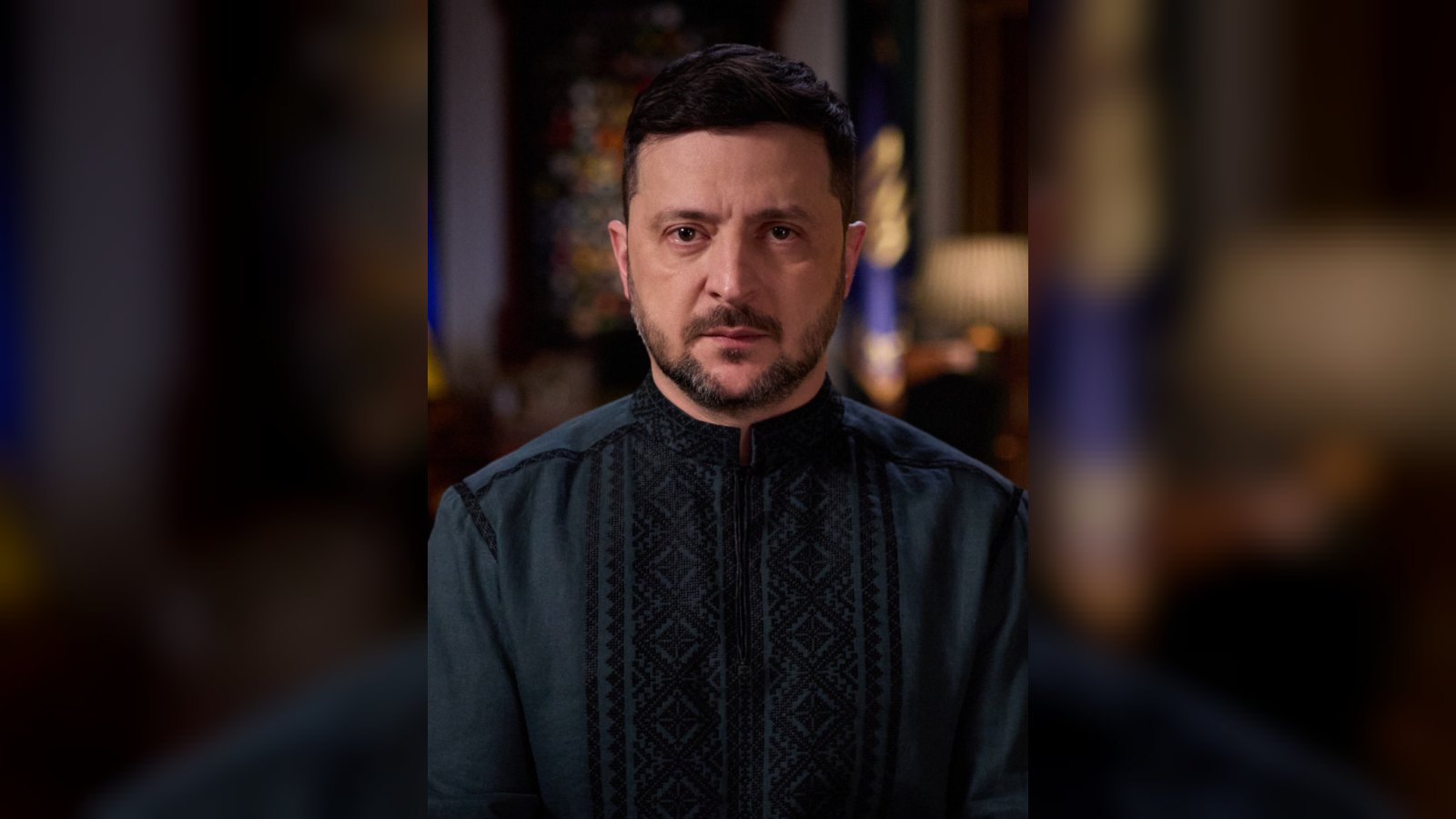
US envoys proposed Ukraine could join NATO if it withdrew from the Donbas, Zelenskyy disclosed Saturday, the first time the question has been raised in peace talks.
In a national referendum, Zelenskyy said Ukraine would consider ceding territory in exchange for NATO membership, provided it received security guarantees, the right to a strong and well-funded army, and funds for rebuilding. Ukraine would not accept Moscow's claim to any territory its troops had taken.
Talks in Moscow and Dublin
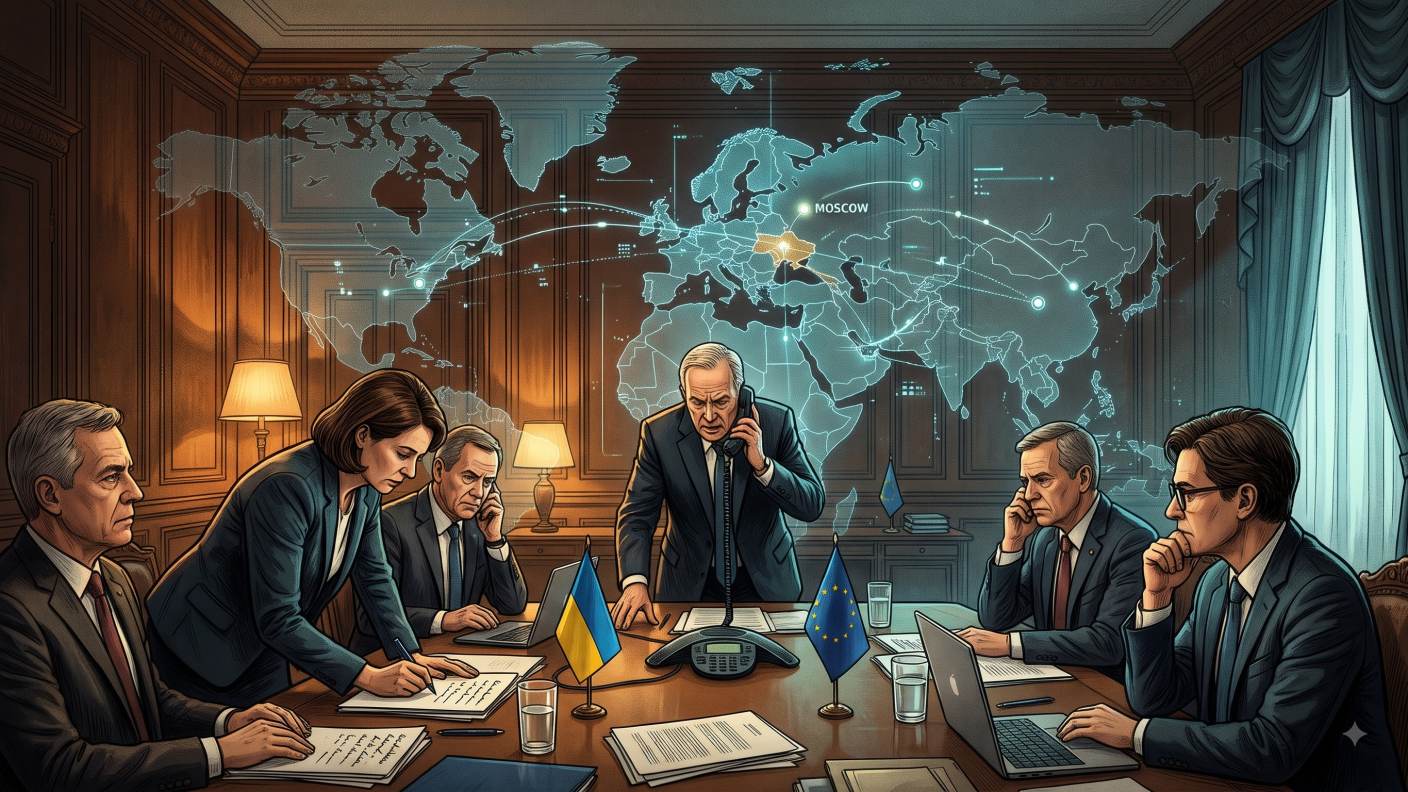
Kushner and Witkoff sat down with Putin in Moscow on Thursday. They later briefed Zelenskyy in Dublin, D2 reported. Negotiations involving the two countries wrapped up in Abu Dhabi on Wednesday after two days without a major breakthrough.
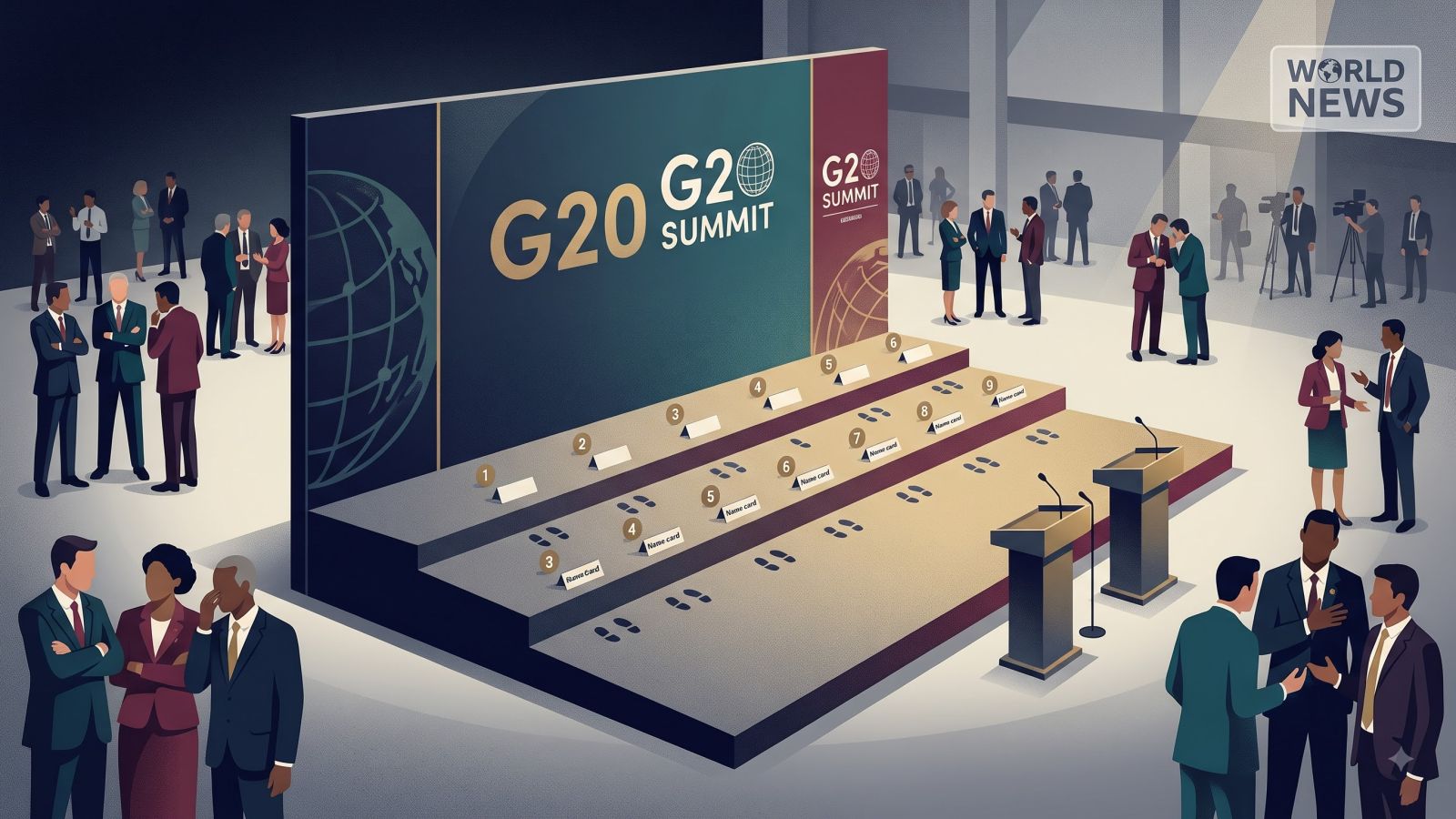
The sides agreed to swap more than 1,000 prisoners, Zelenskyy said, although they were still discussing the final numbers. On Friday, a summit in Dublin selected France, Germany, Italy, the UK and Poland to appoint representatives for future talks on ending the war.
Kushner said the two sides had presented
Discussions cover many proposals, and both parties must agree to any final deal, a US official told the BBC. Washington hasn't confirmed Zelenskyy's comments, and the Kremlin has yet to respond to the latest US proposal.
NATO's role in European security
Zelenskyy said NATO membership was
Moscow has consistently called Ukraine joining NATO a red line and cited it as one reason for launching its invasion in 2022. Russia has demanded that Ukraine abandon its NATO ambitions, stay neutral and demilitarised, and cede sovereignty over the Donbas plus parts of Zaporizhia and Kherson provinces it already occupies.
Ukraine's industrial heartland and a critical economic engine, the Donbas includes most of the Donetsk and Luhansk regions. Russia holds roughly a fifth of Ukrainian territory, including most of those regions.
Analysis and reaction
Ian Lesser of the German Marshall Fund said the NATO element of the proposal seems very doubtful. "The NATO element seems very doubtful. Surely attractive to Ukraine, but it is hard to imagine Moscow agreeing to this. And some NATO members will be doubtful too," Lesser said.
Chris Featherstone, a political scientist at the University of York, called the proposal a major departure from previous US positions. "The US has been very cautious about getting further involved in Ukraine, with the Biden administration giving military support, but clearly opposing any ideas of Western involvement on the ground. Trump has seemed to be very sympathetic to the Russian cause, and has had significant blow-ups with Zelenskyy, so this proposal is certainly a surprise," Featherstone said.
Featherstone raised questions about whether Trump could secure NATO consensus. "In the light of Trump's repeated attacks on NATO, this could be seen as a recommitment to the alliance. However, there would be questions over whether Trump could bring other NATO allies to support the proposal," he said.
Countries bordering Russia, such as Lithuania and Poland, are most enthusiastic about offering Ukraine membership during the war, but NATO members remain divided. Trump has publicly urged Ukraine to abandon its bid to join the alliance, and the US has shown much less support for Ukraine's NATO calls under his leadership. Other NATO members are wary of Ukraine joining, and Ukraine itself is understood to see it as unrealistic.
European resistance
German Chancellor Friedrich Merz resisted reshaping Europe's security architecture. "We do not need to discuss that, it already exists," Merz said.
Emmanuel Macron, President of France, warned that rationing aid to Ukraine to force territorial concessions risks future conflict. "Those who want to ration aid to Ukraine wish underneath it all to force an unjust peace on it," Macron said. "That is the spirit of defeat. That is a recipe for another war. That cannot be France's position. What happens in Ukraine concerns us directly. Helping Ukraine defend itself is protecting France and the French," he said.
Any discussion of wider European security arrangements should come only after the war has ended, Zelenskyy said.
Stalled ceasefire talks
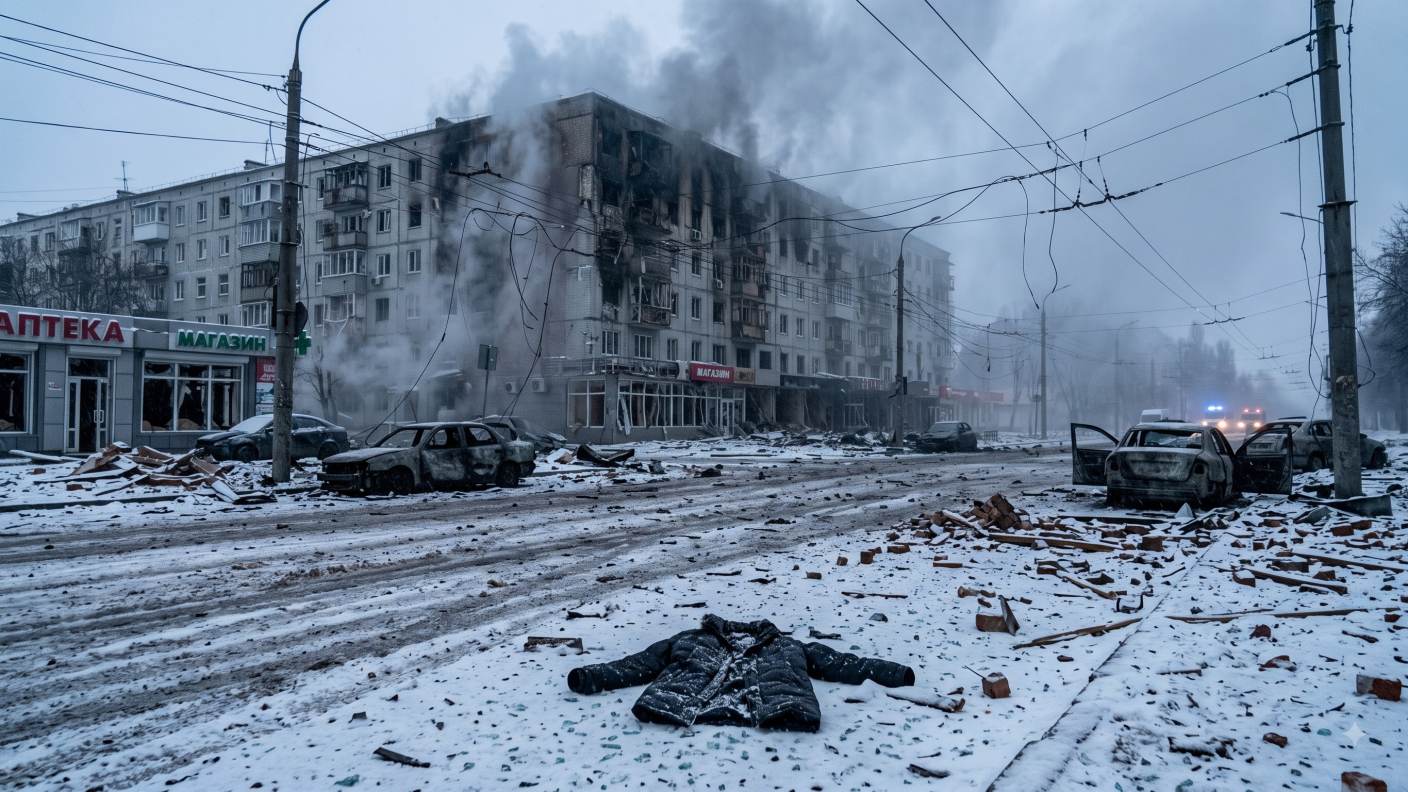
There was no news of progress on an energy ceasefire after the envoys' Moscow talks, and Zelenskyy said Putin personally doesn't support a ceasefire. He dismissed Putin's proposal for a humanitarian mission to Kostyantynivka, saying Putin wants Ukrainian forces to leave so Russia can occupy the whole city.
Ukraine had identified seven or eight additional settlements on the frontline for a possible humanitarian truce, Zelenskyy said. Civilians, including children, are trapped there, but Russia prefers to use those locations as military targets.
What we know
- US envoys Steve Witkoff and Jared Kushner met Zelenskyy in Ireland on Thursday, following their talks in Moscow.
- The sides agreed a prisoner exchange involving more than 1,000 people, with final numbers still under discussion.
- Europe chose France, Germany, Italy, the UK and Poland to send representatives to future talks.
Still unclear
- Whether Russia will accept any proposal linking Ukrainian NATO membership to territorial concessions; the Kremlin has not responded.
- Whether the US formally made the offer or was exploring Zelenskyy's red lines; Washington has not confirmed Zelenskyy's account.
- The final number of people in the agreed prisoner exchange.
- Whether an energy ceasefire will be agreed.
- Whether and when a national referendum on territorial concessions would be held.
The US is now focused on preparing the agenda for the next round of trilateral talks and facilitating direct engagement between Moscow and European partners.